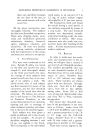
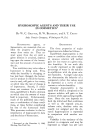
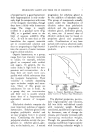
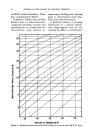
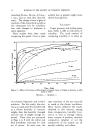
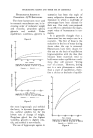
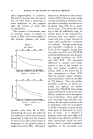
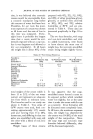
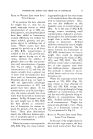
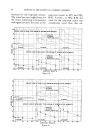
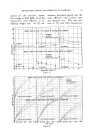
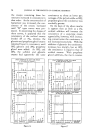
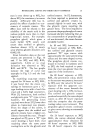
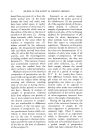
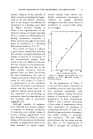
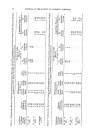
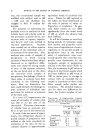
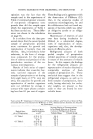
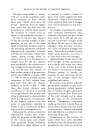
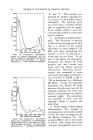
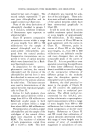
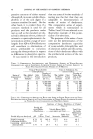
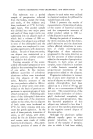
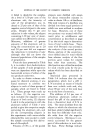
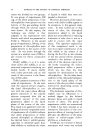
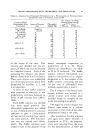
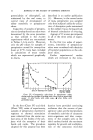
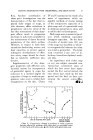
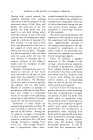
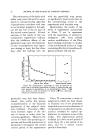
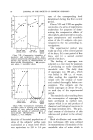
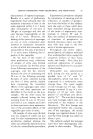
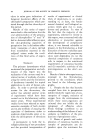
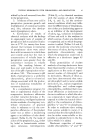
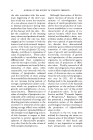
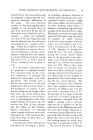
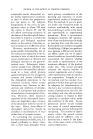
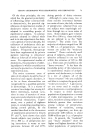
HYGROSCOPIC AGENTS AND THEIR USE IN COSMETICS 21 rained f'or the non-ionic cream. mectant, propylene glycol was the On storage at 300-/0 R.H., all of the most effective with sorbitol next humectants were effective in in- and glycerin last. This was also hiblting weight loss. At 2% hu- true at 5% and 10% humectant WEIGItT LOSS OF SOAP TYPE CREAM AT 70% RELATIVE HUMIDITY SORBITOL ........ GLYGERIN I ----•---PROPYLENE GLYCOL /' HOURS • 2• HOURS •8 HOURS t •[lOST L055 OF •O•-IO•lO TY•[ GR[• •T 70• R[L•TIV[ 8•l•lT• ..... XISORBi •OL o •LYCERIN HOURS - • • • • •• • • HOURS • HOURS 20 •5 I0 15 I0 o t 5 •o •5 to o t 5 IO HUMoeCTAIVT V/oe1GHT % Figure 12 I I WEIGHT LOSS'OF sOAP TYPE •REAM AT I-½-A •--- I--I-, '--•' ." T• ......... a, rCER• ' ..• RELATIVE HUMlaITY J •L•TIV•I, TY WEIGHT LOSS OF NON -IONIO TYPE OREAM AT 5 % HUME•TANT ,Y .-- -'- ,W •- /' .-.-• - /. '?' - _ // -t- . '• .---" - _ 4 6 5 4 0 4 8 12 16 24 :56 48 0 4 8 12 16 24 :56 TIM•'-HDURS Figure 13

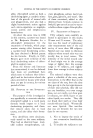
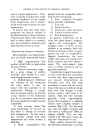
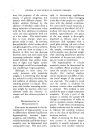
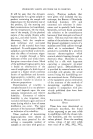
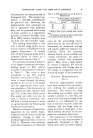
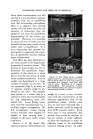
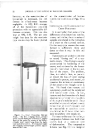
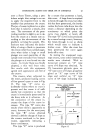
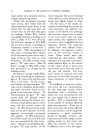
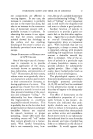
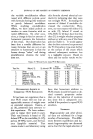
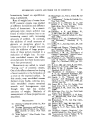
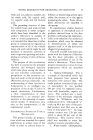
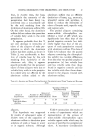
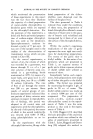
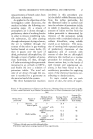
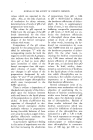
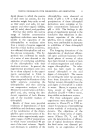
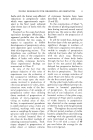
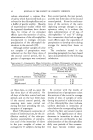
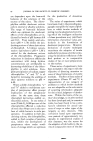
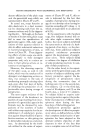
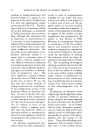
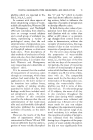
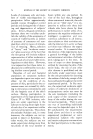
22 JOURNAL OF THE SOCIETY OF COSMETIC CHEMISTS however, as the concentration of humectant is increased, the dif- ference in effectiveness becomes negligible. At 50% R.H. storage, all of the humectants provided protection with no appreciable dif- ferences apparent. This was also true at 70% R.H. The per cent weight loss data for the non-ionic type creams may be found plotted Figure 14.--Crust Measuring Balance Beam. The free swinging beam, pivoted about the left-hand pair of setscrews, applies force to the cream by means of the hollow cylinder (cork borer) hung from the right- hand pair of set screws. The long rod weight and hanging counterweight permits adjust- ment of the beam. rs. the concentration of humec- rant in the lower rows of Figs. 10 to 13. OCCURRENCE AND MEASUREMENT OF CRUST FORMATION It is our belief that some of the differences of moisture loss rate be- tween, and within, the two series of samples are related to the formation of a crust on the exposed stirface. On the soap-type creams the crust formed is sufficiently thick and dense so that it may be felt and measured. Humectants are added to prevent or retard "drying out" of a cos- roetic cream. This drying is usually accompanied by hardening of the cream, and at times by the forma- tion of a hard crust at the top sur- face of the cream. The problem, then, is twofold: first, to prevent or retard the loss of water during accidental exposure, and second, to preserve the texttire or consistency of the cream even though water is lost. We found that texture and consistency could not be correlated with loss of water alone. In fact, texttire and the t•rmation of a hard crust on loss of water are a function of the type of emulsifier used. Soap emulsified creams developed a crust in less than 24 hours' exposure and no measurable or apparent crust was formed in 48 hours when non- ionic emulsifiers were employed. To measure this crust formation, a compression balance was built that applies load at a constant rate of deformation. The compression balance (see Fig. 14) was designed
Purchased for the exclusive use of nofirst nolast (unknown)
From: SCC Media Library & Resource Center (library.scconline.org)