THE EVALUA•_'ION OF A SHAMPOO A D G C 153

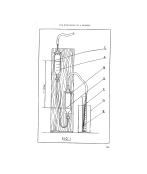
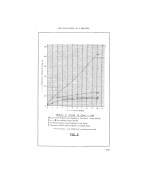
JOURNAL OF THE SOCIETY OF COSMETIC CHEMISTS mark. The lower level of the water is adjusted to the reference mark D. A stopper and tube are fitted in the neck of A for sucking water from B into A. The measuring cylinder is removed and the water-bath partly filled with water at 30 ø C. 50 mls. of shampoo solution, also at 30 ø C., are poured gently into the cylinder which is then returned to the water-bath after lowering the sintered glass disc into it. With the tap of B open the tap of A is opened to force air from B through the sintered disc, and pro- duce a foam in the measuring cylinder. As soon as 150 mls. of water have passed from A to B the tap is closed and a stopwatch started. At once the top and bottom levels of the foam are read off in the cylinder F and the same levels are read at intervals over a period of 10 minutes. From these readings the decrease in foam volume and also the increase in drainage of liquid from the foam are calculated and graphed against time in minutes. The concentration of the solution used for test may conveniently be at the level indicated for the saloon tests. It has been mentioned that the natural or added grease on the hair, together with any deposits from hair dressings and other hair preparations, tend to reduce the amount of foam produced on the first application of a shampoo. Solutions of shampoos made up in hard tap water or in distilled water do not reveal minor differences in foaming power in the apparatus described, and to make the method serviceable it is necessary to add to the solution a suitable anti- foaming agent. This would appear to be an opportunity to introduce a type of anti-foaming agent to simu- late the behaviour of the substances normally present on dirty and greasy hair. To achieve this would require the introduction of an insoluble oily phase such as a mixture of mineral oil and lanolin and a solid phase such as lampblack. The difficulty is then created that the anti-foaming system is not dispersed uniformly through either the liquid or the foam and is uneven in effect. It is for this reason that secondary butyl alcohol has been chosen for its solubility and it is recommended at a concentration of 5 per cent by volume in the tap water in which the shampoo is dissolved for the test. The optimum conditions for using the apparatus are: 1. A room of reasonably constant temperature and free from draughts. 2. The sintered glass disc must be of known porosity for purposes of replacement and duplication of apparatus. A suitable poros- ity is No. 1. 3. The diameters and lengths of tube connections and bores of stopcocks must be capable of allowing a flow of 150 mls. of water from A to B in 20 to 30 seconds while foam is being produced. 4. The stem of the sintered glass 154
Purchased for the exclusive use of nofirst nolast (unknown)
From: SCC Media Library & Resource Center (library.scconline.org)