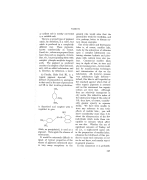
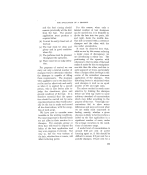
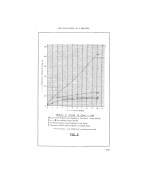
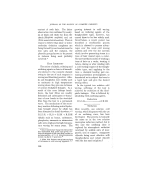
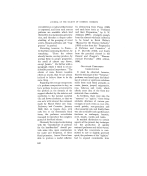
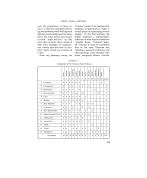
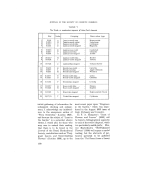
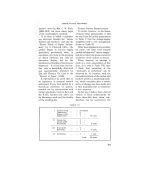
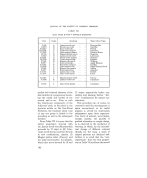
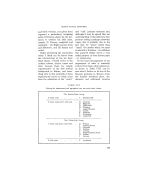
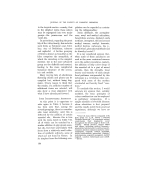
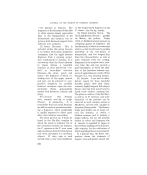
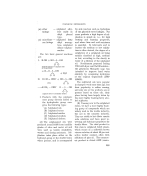
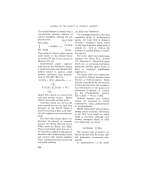
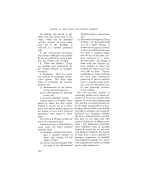
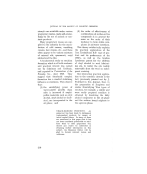
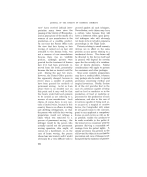
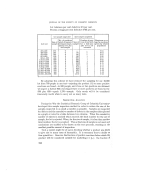
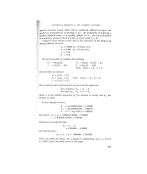
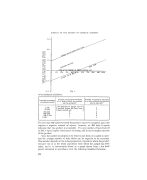
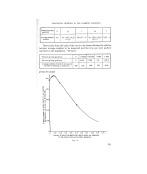
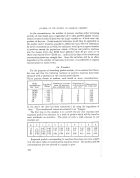
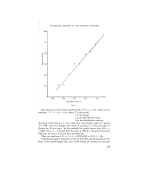
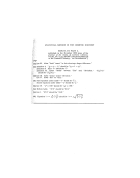
STATISTICAL METHODS IN THE COSMETIC INDUSTRY Fraction giving positives 0 p• s P2 1 Averagesample h•ls (h•--o•(h•+h2))/ h•h2ls(1--s) (h•--[3(h•+h•))! h•[(1--s) number (s--p•) (p•--s) _ These points form the basis of the curve to be drawn showing the relation between average number to be inspected and the true per cent positive reactions in the population. We have ' Fraction giving positives ...... 0 0.0005 0.00196 0.005 1.000 Per cent giving positives ...... 0 0.05 0-196 0.5 100.0 Average number of tests to be carried out before reaching a conclusion ... 485 522 464 251 0-95 giving the graph' 5OO •00 o • g •oo •o o.[ o.• o.N 04 o.• o.'• 'o.• o.• o.• ACTUAL • pOSITIVE REACTIONS Y•HICH "OULD BE OBTAINED IF THE •'oedOLE POPULATION •ERE EXAMINED. Fig. 2. 231

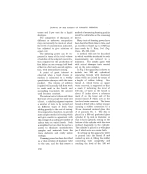
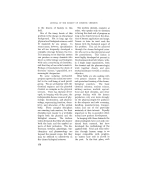
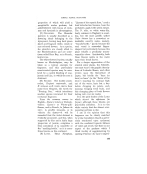
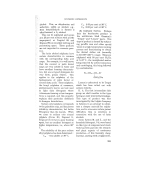
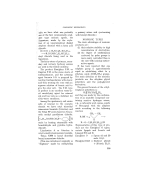
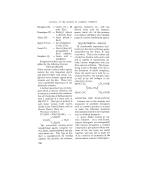
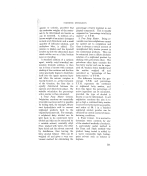
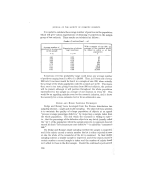
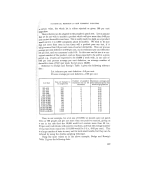
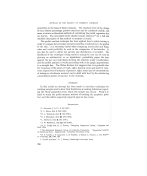
JOURNAL OF THE SOCIETY OF COSMETIC CHEMISTS It is seen that, on the average, a conclusion is not likely to require more than about 500 tests and in most cases--particularly those when the product is rejectable--many less. Reference to the Dodge and Romig technique will show that the sequential method has advantages. The required number of tests curve, although showing that on the average a smaller number of tests is required by the sequential technique than by the Dodge and Romig scheme, still requires a very large number of tests. In normal circumstances the time taken by the evaluation, the personnel required to carry it out and the expense of organising such a large number of tests on subjects selected at random from the possible users of the product, make it impracticable, and it is necessary, therefore, to devise a more compact prophetic patch test to replace the present ones. However, the above discussion has been useful as an example of sampling techniques, as the latter have other applications in the cosmetic industry. For example, the Dodge and Romig scheme can be used when examining any consignment of containers or other goods which can be judged in any of their qualities by a "go--no go" method, and is useful wherever automatic filling and packing machines are used which require a supply of accurately controlled materials. Sequential analysis is not so suitable for this purpose, since it means continual random sampling from the consignment of goods as testing proceeds, which is possible only when the tests can be carried out quickly at the site -of the goods the Dodge & Romig scheme calls for a fixed number of samples drawn at random which can be inspected elsewhere at a convenient time. Sequential analysis can be applied to the examination of two different products to decide which is to be preferred: this is useful in market research and will be considered in a later article on that subject. PROBIT ANALYSIS Substances which give rise to a dermatitis are classified into primary irritants and secondary, or sensitisation, irritants. Primary irritants are substances which produce an irritant effect on first contact with the skin of any individual: secondary irritants produce irritation only after the substance has at some previous time been in contact with the skin of a susceptible person. Primary irritants are not specific, but act by partial or complete destruction of the epidermis: secondary irritants probably produce an antibody in the dermis after the application of the substance and give rise to the dermatitis on the next application of it. This reaction may be delayed. •, 3,, The reaction produced by a primary irritant is dependent on its concen- tration. Sulphuric acid, caustic alkalies, phenol, alkaline thioglycollates and inorganic sulphides are typical primary irritants. Secondary irritants :.. 232
Purchased for the exclusive use of nofirst nolast (unknown)
From: SCC Media Library & Resource Center (library.scconline.org)