THE BIOLOGICAL SCIENCES AND COSMETICS pected to screen every potential cosmetic ingredient as outlined above. Manufacturers of basic materials may not be interested in cosmetic application many of them are not. Neither of these groups can adequately evaluate a compounded formula by a study of its individual ingredients, and neither can be expected to protect private formula- tion. To argue either of these points is to ignore the biological and econo- mic facts of life. Time does not permit a more detailed discussion of this point, but it richly deserves much more careful consideration. Some of these views may not be popular either with the industry or the government agencies. The fact remains that, so far as we as cos- roetic chemists are concerned, chang- ing laws should be of little import unless our morals can be legislated. The same set of biologically docu- mented data which we are morally obliged to assemble on a really new product will be adequate either be- fore or after the law. Let us not, therefore, go into biological disintegration ourselves over this question. Hypertension, ulcers and nervous breakdowns are not fun, and are about as useless as anything can be. It is much more important that the cosmetic chem- ists, the chemo-biologists and man- agement get together on a compre- hensive research and development programme that will cure a big majority of the present headaches. All this may sound wonderful, and I frankly hope it does to some of you, but many of you are wonder- ing where and how you obtain these specially trained personnel and their facilities. Anything I have to say on this subject is tongue-in-cheek, primarily because the demand ex- ceeds the current supply. Perhaps the best answer is that few, if any, cosmetic manufacturers could econ- omically justify such a high-cost, high-overhead department as a per- manent entity. The alternative is a close-working relationship with the chemo-biologist, wherever he may be. In this case it is first the individual that is important, then his facilities, and finally any institu- tional relationship he may have. Be sure of your man's biological back- ground and don't try to be a biolo- gist yourself unless you are sure you can qualify. You may some day encounter the biologist who is a chemist because he had a course in inorganic and maybe organic chemis- try back in the good old days. Be sure he is practical and that he is free to undertake your problem. Consider that universities and tax exempt foundations are under obliga- tions to make their findings available to the public. At least that's what they tell the tax collector and Con- gress. Be sure you are completely honest with him, so he may do an honest and complete piece of investi- gation for you. Be sure you under- stand each other's positions in case of patentable invention. If you pay him adequately for his services, he should expect to protect you on patents. Remember that many basic problems may best be under- taken co-operatively between non- 173

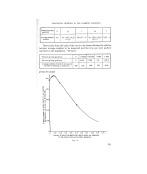
JOURNAL OF THE SOCIETY OF COSMETIC CHEMISTS Aoa/yO'ca! foatro! 174 oeømpøundin9 jJ ,, , Medicine
Purchased for the exclusive use of nofirst nolast (unknown)
From: SCC Media Library & Resource Center (library.scconline.org)