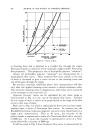
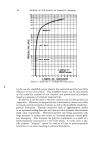
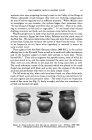
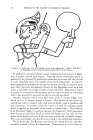
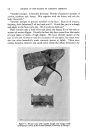
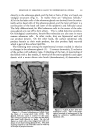
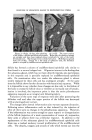
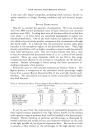
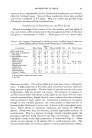
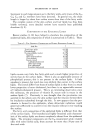
THE COSMETIC ARTS IN ANCIENT EGYPT 165 workmen who were preparing the king's tomb in the Valley of the Kings at Thebes repeatedly struck because they were not receiving compensation by way of rations regularly and in sufficient quantity. When officials came to investigate on one occasion, the strikers began their statement thus: "It was because of hunger and thirst that we came here. There is no cloth- ing, no ointment, no fish and no vegetables." In one breath they wanted clothing, ointment and food, and the ointment came before the food. Wealthy people even in early times had oils and ointments from not only the best sources in Egypt but from Libya, Palestine and the south coast of the Red Sea. We cannot determine what these oils were from such residues as have been found, but we know the names of them from the texts. Even so we frequently do not know what ingredien,t or material is meant by some ancient word. There appear from the Sixth Dynasty (about 2400 B.C.) in the earliest offering lists in the Pyramid Texts as well as in tomb and coffin inscriptions and in the funerary papyri of much later periods to have been "Seven Sacred Oils." These oils or unguents had specific names, some of which do not mean much to us, and the names remained the same over the millennia. They were not only offered to the dead but the living used them as well. The small substitute statue of the deceased which was placed in his tomb chapel was anointed with them and so also were the statues of the deities anointed and perfumed with them in the daily temple ritual. The full make-up kits, when such have been found, are often elaborately made of inlaid wood and stone boxes consisting of various compartments for oil and unguent jars and eye-paint tubes. The small oil jars are frequently made of fine stone (see Fig. 3), finely wrought, and they are sometimes in- scribed and banded with gold. Figure &--Stone kohl jars with lids and an ointment vase. (Perhaps 2000-1800 B.C.) (PhOtograph courtesy of the Oriental Institute, University of Chicago.)

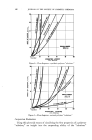
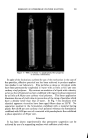
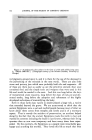
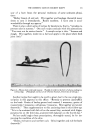
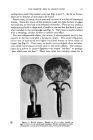
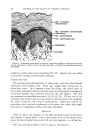
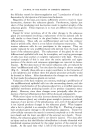
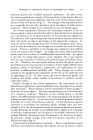
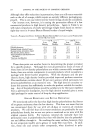
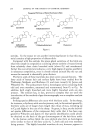
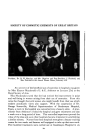
166 JOURNAL OF THE SOCIETY OF COSMETIC CHEMISTS There is one rather remarkable and common use which the ancient Egyptians made of ointment, probably a scented grease. One sees pictured from the 16th century on in tomb scenes of festival occasions where there are guests at a banquet or listening to musicians and singers that the guests and often the performers have rather large cones, yellowish in color, on the tops of their heads (see Fig. 4). So far as I know there is no reference in Figure 4.--Tomb painting of an all-girl orchestra with dancer. Note wigs and cones of ointment on beads. (About 1400 B.C. From Davies-Gardiner, /lncient Egyptian Paint- ings, P1.37.) (Photograph courtesy of the Oriental Institute, University of Chicago.) Egyptian texts to these cones, either to the material of which they consisted or to the practice. It is therefore only by deduction that we arrive at their purpose. However we have in the Bible, in Psalm 133, this beautiful description: Lo, how good and lovely it is When brethren dwell together as one. Like the goodly oil upon the head, Which flows down upon the beard, Aaron's beard, That flows down upon the edge of his robes, So is the dew of Hermon that flows down upon the mountains of Zion For there has the Lord commanded the blessing: Life for evermore. This Biblical description may refer, as has been judged, to the oil used in consecrating Aaron as a priest, but no words could more adequately give the idea of what happened when the guest at an Egyptian house had
Purchased for the exclusive use of nofirst nolast (unknown)
From: SCC Media Library & Resource Center (library.scconline.org)