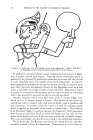
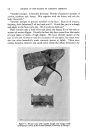
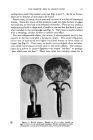
136 JOURNAL OF THE SOCIETY OF COSMETIC CHEMISTS thick, soft-textured cord. The water entered the center of the cone--that is, the inner hollow part--and was filtered as it was forced through the many layers of cord. This type of filter is quite efficient but one must re- place the used cones quite often as they become filled with organic matter and dirt which is excellent media for the support of bacterial growth. The filter cone in operation at this plant had a green color due to algae, bacteria and "what-not," while the original filter cone was practically white in color. Bacteriological inspection showed the presence of our old friend •lerobacter aerogenes and Pseudomonas aeruginosa, formerly known as Bacilius pyocyaneus. The incorporation of 0.1 per cent formalin into the shampoo and changing the filter cone every forty-eight hours solved this bacterial contamination problem. I should add--whenever one resorts to the use of formalin for preserva- tion purposes--one should be certain that neither citral nor proteinagenous materials are present. Citral produces a pink coloration with formalin and, naturally, proteins are solidified or set by means of formalin. In connection with the use of formalin as a preservative in the presence of protein, I will tell you of the misfortune of a manufacturer who pre- pared a liquid cream shampoo, thickened it with 2.75 per cent gelatin and added 0.15 per cent formalin. Extensive shelf tests were performed at both 37øC., and room temperature. These tests proved that the product was most stable at these temperatures against both bacterial invasion and chemical reaction. The manufacture of the product progressed satisfactorily until cold weather arrived. The cartoned material, stored in a cool warehouse, gelled and was actually like a piece of liver. Removing the product back to room temperatare did not reliquefy the shampoo. An immediate re-examination of the former laboratory samples showed they were still in excellent condition but, subjecting them to cold tempera- tures, also produced this nonreversible gelling phenomenon. It ultimately became necessary lo subject the cartoned material to 70øC., for forty-eight hours to reliquefy the shampoo. To do so required the equipping of a separate room with adequate heat and its control. After this treatment, the shampoo remained liquid even when resubjected to cold weather. It is, therefore, strongly recommended that shelf tests be performed at not only elevated and room temperatures but, also, at 50øC. (refrigerator temperature) and -8øC. (deep freeze temperature). C^sE No. 3 This case deals with a nationally distributed facial lotion. It had •been on the market for several years and, one day, the president of the com- pany examined a bottle of it while in a drug store. The emulsion had

THAT UNWANTED COSMETIC INGREDIENT--BACTERIA • 137 broken the odor had changed and it was anything but the nice homo- geneous product he expected to see. Eventually, a sample was submitted for bacteriological inspection. It was loaded with a relatively pure strain of Pseudomonas aeruginosa, ap- proximately 12,000,000 per milliliter. The president's blood turned to ice and the chemist was about to expire. Further samples of the same batch were similar in appearance and bacterial content as the original. As is often the case, the immediate problem was to correct the situation and keep the production line going. The laboratory at the plant prepared numerous samples containing various preservatives and mixtures of same which were to be tested against this particular strain of Pseudomonas aeru- ginosa. Fortunately, it only required two to three days to give the answer as to which sample was adequately preserved against this organism. Just what the preservative was, I do not know. However, I do know that it required a mixture of preservatives to produce the desired results. Most likely, a synergistic action resulted. An investigation as to where this organism originated was never undertaken, but I can assure you that the kettles, pipe lines, valves and receptacles were all cleaned thoroughly with hot water containing 0.25 per cent formalin. This sounds like a relatively simple problem but, when it strikes a plant in production, one has to work quickly--all the time frantically wondering when the problem wild be solved and whether or not other products being manufactured in the same plant will also become contaminated. Every one--from management down to the laborer--is greatly concerned and, during this time, has very little sleep or mental ease. CASE No. 4 This case differs from the aforementioned ones in that it concerns itself with the synthesis of the active ingredient and, also, the final shampoo for- mulation. It was understood that the active ingredient was made by reacting a polyhydric alcohol with coconut oil fatty acids, sulfating, and then making the salt. A pilot plant batch was prepared and the concentrated, purified, material was stored in a tank for a few days. Upon inspection, it was noticed that the liquid active ingredient had separated into two layers--on the surface was a layer of fatty acids be- neath which was the polyhydric alcohol-water layer. The presence of a slimy appearance, coupled with other characteristics, prompted a bacterio- logical examination. Large quantities of Pseudomonas aeruginosa were found and subsequent experiments showed that this organism could hydrolize the polyhydric alcohol-fatty acid sulfate compound with relative ease. Numerous germicides, antiseptics, and preservatives were investigated
Purchased for the exclusive use of nofirst nolast (unknown)
From: SCC Media Library & Resource Center (library.scconline.org)