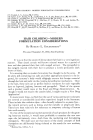
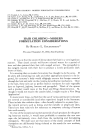
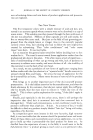
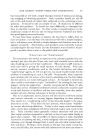
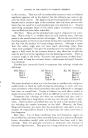
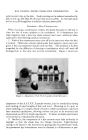
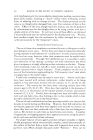
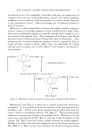
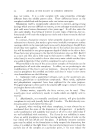
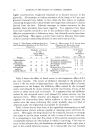
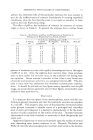
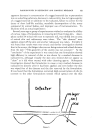
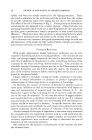
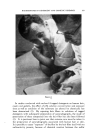
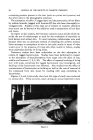
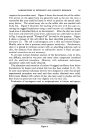
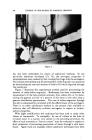
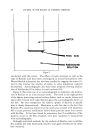
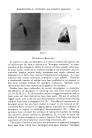
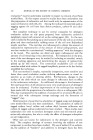
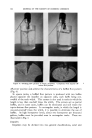
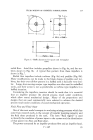
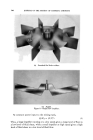
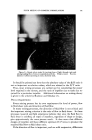
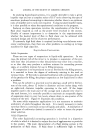
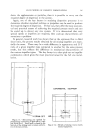
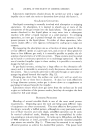
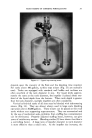
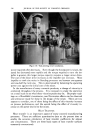
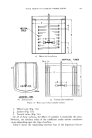
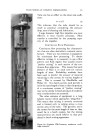
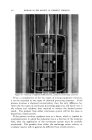
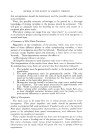
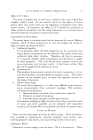
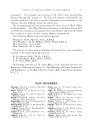
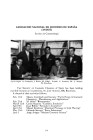
328 jOURNAL OF THE SOCIETY OF COSMETIC Ci-IEMISTS WATER FROG SKIN RADIOIODINE SOLUTION Figure 7. conducted with this tracer. The effect of tooth structure as well as the type of fluoride used have been investigated in several formulations (16). Dental fluoride adsorption has also been studied by tagging the cation (7), and in this manner the relation of cation to anion adsorption could be determined. Autoradiographs also have been prepared showing localiza- tion of the fluorine 18 in defects in tooth surfaces (16). Figure 8 illustrates use of an autoradiograph to determine the localiza- tion of fluorine on an intact human tooth. The tooth in the right portion of the figure, possessing natural surface defects such as cracks, lesions and spots when treated with radio fluorine, gave the autoradiograph shown on the left. By inter-comparison the relative uptake of fluorine in specific sites is clearly demonstrated. Resolution is only fair due to the fact that fluorine-18 is a positron emitter and the tooth was covered with aluminum foil to cause positron annihilation before these particles came into contact with the film. It has been found by experience that if annihilation of the positron occurs in the film emulsion, very poor resolution is encountered with autoradiographs. Although analytical methods for the analysis of fluorine were available, the analysis was only moderately sensitive and again interference by other ions occurred.

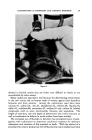
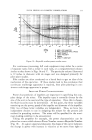
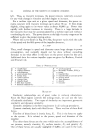
RADIOISOTOPES IN DETERGENT AND COSMETIC RESEARCH 369 Figure 8. DETERGENT RESEARCH In respect to soaps and detergents as a class of compounds, primary use of radioisotopes has been in reference to "detergent evaluation" or deter- mination of the detergent's ability to remove soil from specific substrates. In usual studies employed to evaluate detergents the procedures used are somewhat lengthy, require bulky equipment and results obtained are dependent on a fairly close control of experimental techniques. In some instances with certain substrates, evaluation is very difficult. Therefore a considerable number of articles have been published in an attempt to find more suitable methods for detergent evaluation. Methods using, radioisotopes have been reported and appear to be excellent. Studies have been undertaken by several investigators to determine the efficiency of detergents in removing oily soils from metal surfaces (17, 18, 19, 20, 21). In these studies, carbon-14 tagged compounds such as fatty acids and their derivatives have been used. By use of carbon-14 tagged stearic acid as the oily soil, the properties of several metal cleaning solutions have been investigated (18, 19). The effect of sequestrants on detergent action has also been studied in respect to the removal of dirt containing fission products as tagging agents, especially for evaluation of detergency in respect to radiological decontamination (21). Other ex- periments have involved the synthesis of radioactive bacteria by feeding the bacterial cultures radioactive phosphorus 32, in order to study the ability of various detergents to remove bacteria from dishes and utensils associated with the preparation and serving of food (22, 23). The studies of primary interest to manufacturers of soaps and detergents have been those which have developed techniques whereby "detergent
Purchased for the exclusive use of nofirst nolast (unknown)
From: SCC Media Library & Resource Center (library.scconline.org)