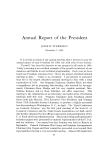
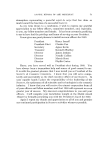
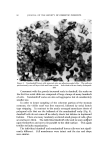
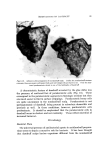
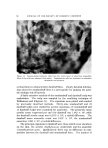
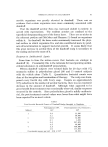
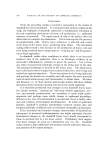
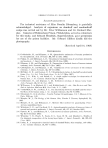
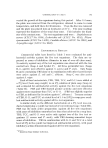
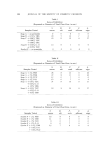
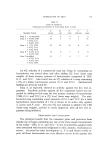
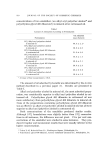
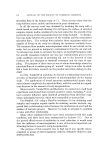
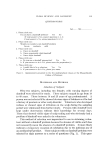
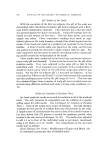
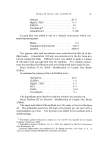
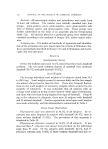
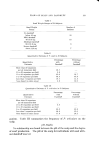
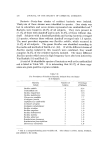
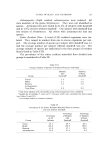
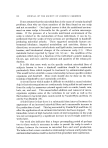
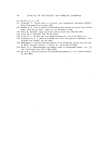
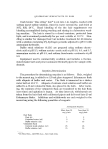
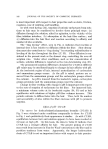
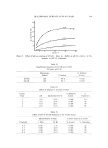
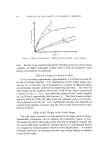
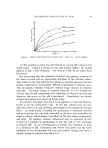
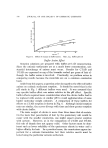
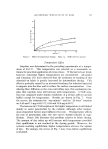
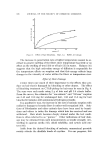
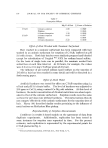
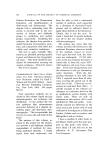
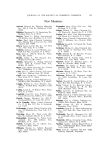
FLORA OF SCALP AND DANDRUFF Table I Scurf Weight Ranges of 52 Subjects 123 Scurf Weight Number of Range Subjects No dandruff below 40 mg 24 Mild dandruff 40-79.9 mg 15 Moderate dandruff 80-119.9 mg 6 Severe dandruff above 120 mg 7 Table II Quantitative Estimate of P. ovale in 52 Subjects Percentage Percentage Quantitative with without Estimate Dandruff Dandruff More than 30 organisms per oil immersion field 21 to 30 organisms per field 11 to 20 organisms per field 1 to 10 organisms per field Less than 1 organism per field None found in entire smear 10.7 3.6 25.0 46.4 10.7 3.6 ß o ß 16.7 45.8 12.5 25.0 Table III Quantitative Estimate of P. orbiculare in 52 Subjects Percentage Percentage Quantitative with without Estimate Dandruff Dandruff More than 30 organisms per oil immersion field 21 to 30 organisms per field 11 to 20 organisms per field 1 to 10 organisms per field Less than 1 organism per field None found in entire sinear 50.0 45.8 28.6 25.0 17.9 29.2 ganism. Table III summarizes the frequency of t:'. orbiculare on the scalp. pH Studies No relationship was found between the pH of the scalp and the degree of scurf production. The pH of the scalp for individuals with and with- out dandruff was 5.2.

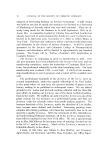
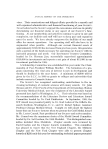
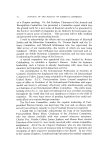
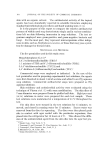
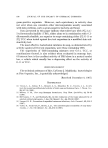
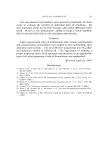
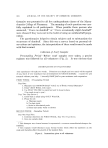
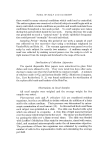
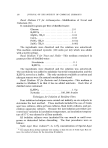
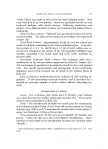
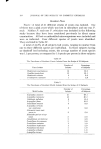
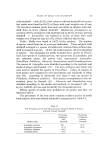
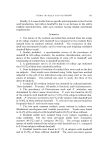
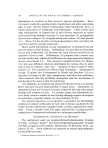
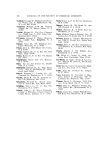
124 JOURNAL OF THE SOCIETY OF COSMETIC CHEMISTS Resident Flora Yeasts--A total of 31 different strains of yeasts was isolated. One of these was a pink yeast which was lost in subculture and one was P. ovale. Neither P. ovale nor P. orbiculare was included in the following study because they have been considered previously by direct smear examination. All lost or unidentified microorganisms were included and were so indicated. Four different species of yeasts were identified. They are listed in Table IV. A total of 44.2% of all subjects had yeasts, ranging in number from one to three different species per individual. In those subjects having no dandruff but harboring yeasts, the average number of yeast species was 1.1 per person, as compared to 1.4 species per person in those subjects Table IV The Prevalence of Resident Yeasts Isolated from the Scalps of 52 Subjects Number of Percentage Yeast Isolate Isolates of Subjects Rhodotorula mucilaginosa 13 25.0 Candida parapsilosis 12 28.1 Rhodotorula minuta 3 5.8 Trichosporon cutaneum 1 1.9 Table V The Prevalence of Resident Molds Isolated from the Scalps of 52 Subjects Number of Percentage Mold Isolate Isolates of Subjects A•pergillus awamori 51 98.1 Aspergillus fumigatus 42 80.7 Pullularia pullulans 8 15.4 Aspergillus fiavus 7 13.5 Penicillium notatum 5 9.6 Aspergillus terricola var. americana 5 9.6 Alternaria tenuis auct. sensu str. 3 5.8 Helminthosporium trisep- tatum 3 5.8 Stemphylium sarciniforme 2 3.8 Penicillium chrysogenum 2 3.8 Penicillium commune I 1.9 Penicillium implicatum I 1.9 Penicillium lilacinure I 1.9 Aspergillus nidulans I 1.9 Aspergillus terreus I 1.9
Purchased for the exclusive use of nofirst nolast (unknown)
From: SCC Media Library & Resource Center (library.scconline.org)