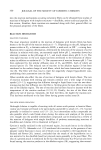
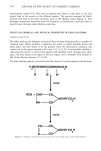
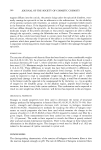
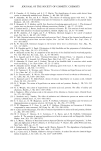
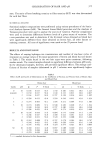
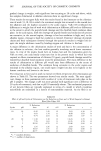
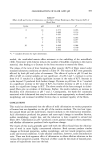
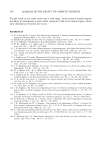
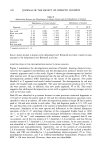
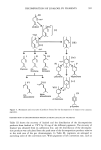
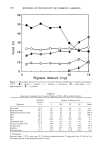
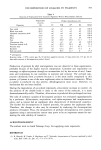
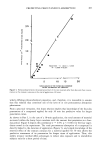
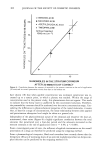
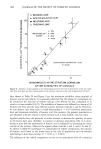
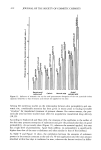
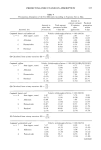
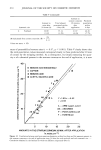
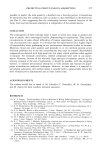
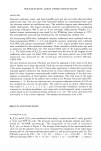
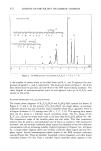
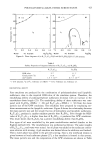
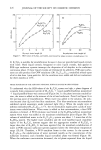
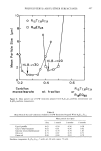
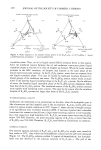
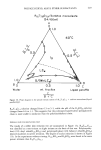
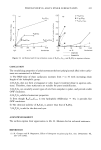
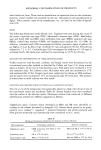
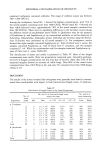
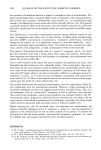
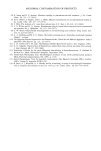
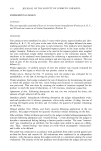
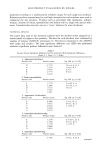
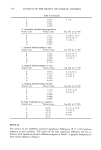
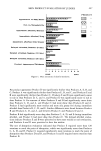
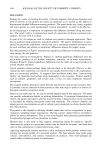
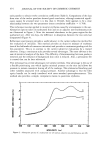
POLY(GLYCERYL) ALKYL ETHER SURFACTANTS 429 Ri2T?.sG?.B/Sorbifan monooleafe {34/66wfl A 0 1.0 40'C [D LC• 1.0 O/{W+LC•} , 0 B 0 0.5 1.0 C Wofer wf. frocfion Llquld porc ffln c B+C Figure 10. Phase diagram in the pseudo ternary system of (R•2T7.sG7. 9 + sorbitan monooleate)/liquid paraffin/H20. R12T7.8G7. 9 solution changed from 6.5 to 5.1, while the pH of the R12EO20 solution changed from 6.6 to 3.3. This suggests that the poly(oxytetramethylene) poly(glycerol) chain is more stable to oxidation than the poly(oxyethylene) chain. DERMAL AND EYE IRRITATION TEST The results of a rabbit skin irritation test are summarized in Figure 13a. R•8T•4.•G•3.2 was classified as a non-irritant to slight irritant on the basis of this test. Poly(oxyethy- lene) (10) oleyl ether(R•8:lEO•o) and poly(oxyethylene) (20) behenyl ether(R22EO20) showed moderate-to-severe irritation. The degree of ocular irritation is shown in Figure 13b. In the experiment without rinsing, R•8:•EO•o and R22EO20 were found to be more potent irritants than R18T•4.•G•3.2.

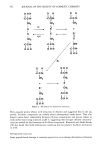
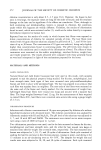
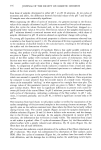
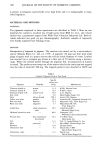
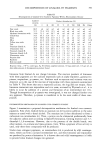
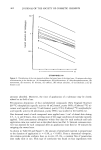
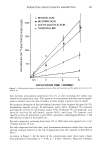
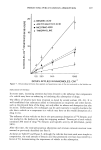
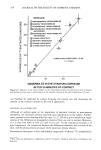
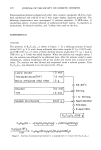
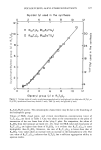
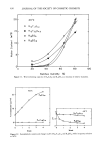
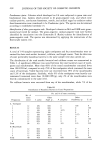
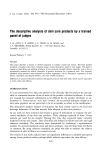
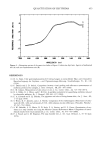
430 JOURNAL OF THE SOCIETY OF COSMETIC CHEMISTS 20 15 IO 5 O 0 o ß [] I 20'C RI2Ts.2G4.o Ri2E09 RI2EOi2 I i I 2O 4O 6O 8O I00 Rel(•tive Humidity {%1 Figure l 1. Water-retaining capacity of R•2TxGy and R•2EO x as a function of relative humidity. 20 Figure 12. at 40øC. I I I I 40'C 20 R 12T7.sG7.9 - 0 0 0 0 I I I i I 2 3 4 Week 40'C 20 43 I I I I 0 I 2 3 4 Week Formaldehyde content and change in pH of R•2T7.9G7.8 and R•2EO2o while in aqueous solution
Purchased for the exclusive use of nofirst nolast (unknown)
From: SCC Media Library & Resource Center (library.scconline.org)