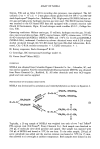
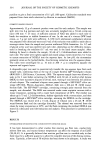
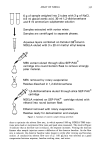
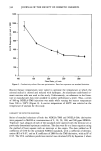
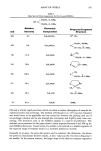
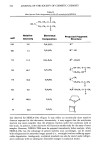
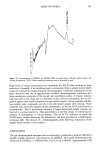
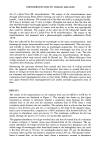
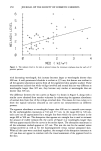
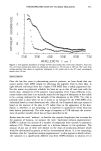
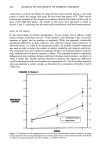
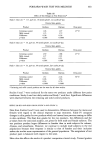
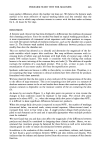
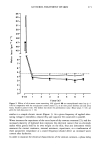
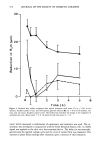
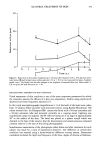
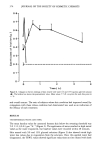
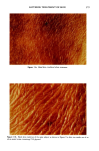
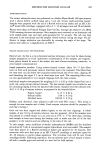
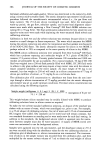
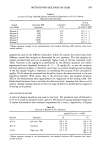
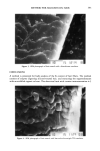
METHOD FOR SILICONES ON HAIR 391 /- Figure 3. SEM photograph of hair treated with a dimethicone emulsion. CONCLUSIONS A method is presented for bulk analysis of the Si content of hair fibers. The method consists of enzyme digesting silicone-treated hair, and extracting the organosiloxanes with an acidified organic solvent. The detection limit with current instrumentation is 3 Figure 4. SEM photograph of hair treated with low-molecular-weight TSA emulsion.

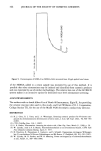
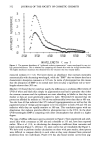
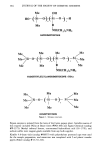
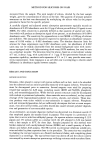
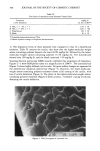
392 JOURNAL OF THE SOCIETY OF COSMETIC CHEMISTS Figure 5. SEM photograph of hair treated with high-molecular-weight TSA emulsion. •xg of Si. Reproducibility of mg/kg data, between replicate samples and between oper- ators during sample preparation, was within instrumental measurement error when careful attention was paid to accurately weighing the hair sample. Applications of this method show a trend between atomic absorption-determined Si deposition and deposi- tion as visually determined by SEM. REFERENCES (1) C. R. Robbins, Chemical and Physical Behavior of Human Hair (Van Nostrand Reinhold and Co., 1979), p. 39- (2) A. W. Holmes, Degradation of human hair by papain, Part I: The pattern of degradation, Text. Res. J., 34, 706-712 (1964).
Purchased for the exclusive use of nofirst nolast (unknown)
From: SCC Media Library & Resource Center (library.scconline.org)