]. Cosmet. Sci., 57, 1-10 Qanuary/February 2006) Taurine improves epidermal barrier properties stressed by surfactants-A role for osmolytes in barrier homeostasis BERND ANDERHEGGEN, CLAUDIA JASSOY, MARIANNE WALDMANN-LAUE, THOMAS FORSTER, ARMIN WADLE, and THOMAS DOERING, Henkel KGaA, Henkelstrasse 67, 40191 Duesseldorf, Germany. Accepted for publication October 12, 2005. Synopsis Epidermal barrier function to water loss is maintained by lipid membrane domains located in the interstices of the stratum corneum. Exposure of the epidermis to a dry environment or UV irradiation stimulates barrier lipid synthesis and accumulation of the organic osmolyte taurine in the outermost granular keratinocyte layer. In this work we studied a possible relationship between these two different epidermal responses to environmental challenges. As a model system we selected anionic surfactant-induced barrier perturbation. Incubation of reconstructed epidermis with taurine inhibited cytotoxic and proinflammatory effects induced by sodium dodecyl sulfate including (i) a decrease in interleukin-lalpha and prostaglandin E2 release, (ii) stabilization of keratinocyte membrane integrity, and (iii) improvement of keratinocyte viability. Repeated exposure of human skin to sodium dodecyl sulfate induced an increase in transepidermal water loss, inflammation, and hyperplasia. Topical application of taurine significantly decreased transepidermal water loss after repeated exposure to sodium dodecyl sulfate. Moreover, taurine significantly stimulated the synthesis of all three classes of barrier lipids (ceramides, cholesterol, and fatty acids) in reconstructed epidermis. In conclusion, our data suggest a role for taurine in preventing surfactant-induced dry and scaly skin by modulating the proinflammatory response and stimulating epidermal lipid synthesis. INTRODUCTION Epidermal keratinocytes are constantly exposed to a dry environment with a normal water concentration of approximately 30% in the lower stratum corneum (1,2). Under baseline conditions, water loss from the granular epidermal layer is compensated by replenishment via the lower epidermis. However, when challenged by environmental stress factors, a more active system is required to maintain constancy of cell volume and intracellular ionic strength in the outer epidermis. For extracutaneous tissues such as kidney, it is well known that osmotic water loss induces accumulation of organic osmolytes, also referred to as compatible solutes (3,4). This osmolyte strategy regulates cellular water loss because high intracellular levels of compatible solutes induce osmotic rediffusion of water into the cell. Address all correspondence to Thomas Doering. 1

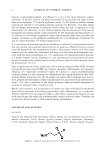
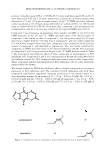
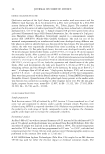
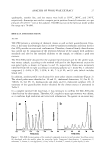
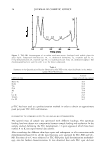
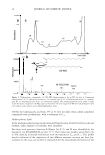
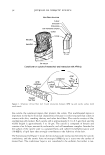
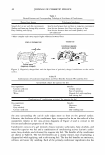
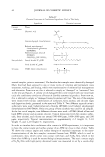
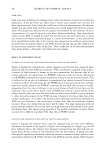
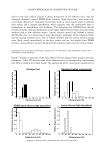
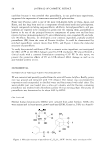
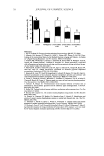
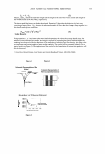
2 JOURNAL OF COSMETIC SCIENCE Taurine, 2-aminoethanesulfonic acid (Figure 1), is one of the most important organic osmolytes. In the skin, taurine is highly concentrated in the granular and upper spinous layer of the epidermis (5.5 µmol/g epidermal tissue) (5). The levels in isolated stratum corneum are very low ( 0.07 µmol/g stratum corneum) (5). Recently, it has been shown that epidermal keratinocytes accumulate taurine when the skin is exposed to a dry environment (6). Moreover, in vitro studies revealed that the expression of the taurine transporter and taurine uptake is also stimulated by UV irradiation of keratinocytes (7). In addition to cell volume regulation, many other functions have been described for taurine, including (i) cell membrane stabilization (8), (ii) stabilization of proteins (9), and (iii) protection form UV-induced apoptosis ( 6). It is interesting to note that taurine accumulation is induced by environmental factors that also disturb the epidermal barrier function to water loss. Barrier function is main- tained by extracellular lipid membranes located in the stratum corneum (10). The major barrier lipids are ceramides, cholesterol, and fatty acids that form multilammelar struc- tures with low water permeability in a 1: 1: 1 molar ratio (11). Epidermal barrier function is a highly dynamic system. Exposure to a dry environment or perturbation of barrier function stimulates the synthesis and secretion of barrier lipids by the outermost granu- lar keratinocytes (12-14). Topical application of anionic surfactants such as sodium dodecyl sulfate (SDS) increases transepidermal water loss (TEWL) and induces epidermal inflammation and hyperpro- liferation (15). Epidermal interleukin-lalpha (IL-lalpha) is a major proinflammatory cytokine involved in the initiation of inflammation and hyperproliferation after SDS- induced barrier disruption (16-18). IL-lalpha can induce other cytokines such as IL-6, IL-8, granulocyte/macrophage colony-stimulating factor, and intercellular adhesion mol- ecule-1 (19), and is expressed in the whole epidermis when epidermal hyperplasia is induced by repeated barrier disruption (20). Barrier lipid synthesis and accumulation of taurine are both stimulated by epidermal stress factors associated with barrier perturbation and inflammation. It is unknown, however, whether these two responses reflect independent cutaneous mechanisms to cope with stress factors and water loss or whether they interact with each other. Therefore, we studied the role of taurine in SDS-induced barrier perturbation. MATERIALS AND METHODS MATERIALS Taurine was obtained from Ajinomoto (Tokyo, Japan). An o/w-emulsion was used as a vehicle containing 2.00% (wt/wt) glyceryl stearate (Cognis, Duesselorf, Germany), 0.75% arachidyl glucoside (Seppic, Paris, France), 9.00% dibutyl adipate (Cognis), Figure 1. Chemical structure of taurine (2-aminoethanesulfonic acid).
Purchased for the exclusive use of nofirst nolast (unknown)
From: SCC Media Library & Resource Center (library.scconline.org)