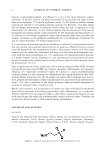
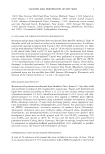
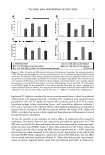
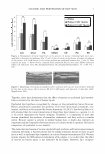
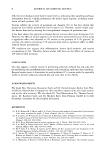
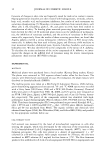
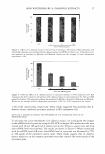
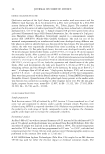
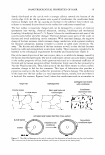
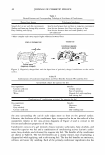
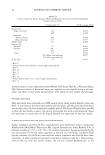
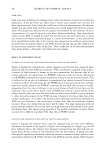
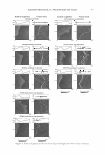
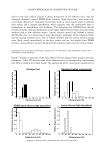
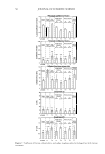
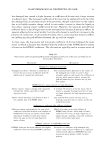
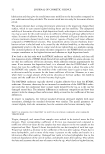
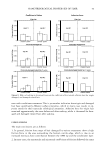
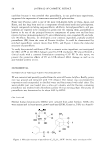
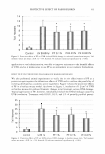
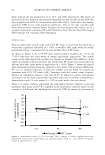
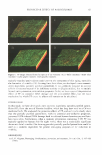
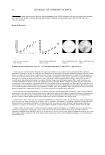
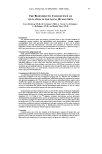
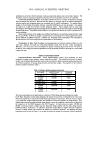
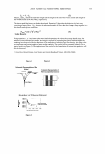
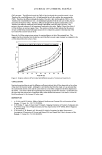
NANOTRIBOLOGICAL PROPERTIES OF HAIR 47 Surface roughness Friction force Damaged (untreated) 250-------� (nm) 5 0 5µm Damaged treated (commercial) 5µm 250.------�---� 025--- -- - {nm) (VJ -250L----------' -0,25-- - - - - - 5 5 0 5µm (BTMAC surtactant, no silicone) 0 5µm 250 -- - - - - - O 25 .---------, �� M -250L__________., 5 -0 25 5 5µm 0 5µm (PDMS blend silicone, low deposition) 250--- - - - - o.2s- - -------, (nm) L-- ------ --' (V ) � 5�--------5 5µm 0 (PDMS blend silicone, high deposition) 5µm 250...,..----- - 0.25---------, (nm) L--- -- - - - --' (VJ .l I -250 5 -0.25L--- - - ----' 1µm 0 5µm 0.5V 0 5µm Surface roughness Friction force (Amino silicone, low deposition) 250.----------� (nm) -250---------' 0 5µm 0 5µm (Amino silicone, high deposition) 250---------, 0.25-- - -- - (nm) (VJ -250-- - - - - - -0.25L..__ ________., 5 5 0 5µm (BAPDMA suliactant, no silicone) 0 5µm 250- - - - - - 0.25--��- ---, (nm ) - ------- M � 5 � - -- - - - - 5 1µm 0 5µm 05V 0 5µm Figure 4. Surface roughness and friction force maps of damaged hair with various treatments.

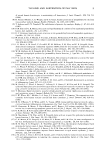
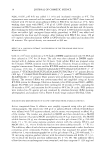
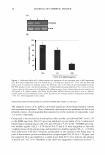
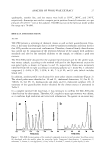
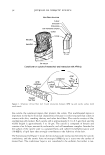
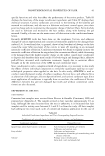
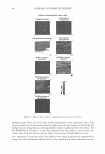
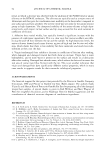
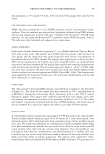
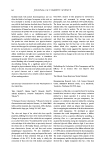
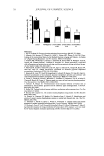
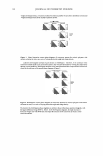
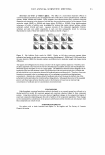
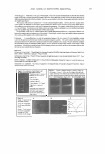
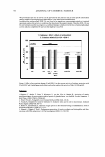
48 JOURNAL OF COSMETIC SCIENCE Adhesive force maps for various hair Damaged (untreated) Damaged treated (commercial) (BTMAC surfactant, no silicone) 0 0 2µm (PDMS blend silicone, low deposition) 0 0 2µm (PDMS blend silicone, high deposition) 0 (Amino silicone, low deposition) (Amino silicone, high deposition) (BAPDMA surfactant, no silicone) Figure 5. Adhesive force maps for damaged hair with various treatments. damaged treated hair, we can see the uneven distribution of the conditioner layer. This uneven distribution is also most evident for the amino silicone images, in which the less mobile silicone brings about a distinguishable change in adhesion over the surface. For the PDMS-blend silicone, it is seen that adhesion over the surface is much more con- sistent than with the amino silicone, where various areas of high adhesion occur. It is important to note that while the adhesive force maps presented are representative images for each treatment, adhesive force varies significantly when treatments are ap-
Purchased for the exclusive use of nofirst nolast (unknown)
From: SCC Media Library & Resource Center (library.scconline.org)