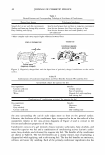
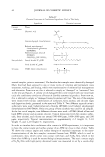
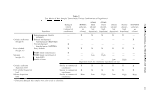
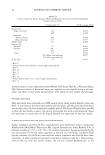
24 JOURNAL OF COSMETIC SCIENCE saturated fatty alcohols, which have shown to be anticarcinogenic ( 4) and the ceramides and cholesteryl esters, which are proposed as membrane-producer compounds (5). Lanolin is a complex lipid mixture consisting mainly of fatty acids, fatty alcohols, sterols, diols, hydroxyacids, aliphatic esters, steryl esters, diesters, and other minor constituents (2,6). Such a complexity is highlighted, for example, by the composition of the mono- ester chemical class, which is estimated to be formed roughly by 10,000 individual components (7) due to the large number of possible fatty acid and alcohol combinations. Indeed, each of them can be present in three different isomeric forms: normal lineal compounds, iso ((w-1)-monomethyl-substituted) and anteiso ((w-2)-monomethyl- substituted). In accordance with its complexity, lanolin cannot be synthetically ob- tained. Furthermore, the molecular characterization of natural wool wax and lanolin can be useful to supply additional information for further applications. Until recently, the technique for analyzing lanolin involved a hydrolysis step to cleave the ester bonds of the aliphatic and steryl esters and amides (8-10). This approach gave useful information, but was limited in determining the original mixture composition in esters, amides, fatty acids, and fatty alcohols. In order to avoid this limitation, a current trend in lipid analysis is to analyze the intact wool wax and lanolin. Accordingly, two different approaches have been developed: TLC-FID, which permits the lipid class characterization, and gas chromatography (GC) coupled to mass spectrometry (MS), which permits the sample characterization at molecular level. TLC-FID is a rapid, sensitive, and simple method for the analysis of any chemical material of low volatility that can be separated by conventional TLC. In fact, this technique has considerably improved the sensitivity of TLC. The TLC-FID technique has been commonly used for the determination of lipid classes (11), vitamins, amino acids, and a variety of other lipid compounds (12). Moreover, it has already been used specifically to characterize the lipid composition of different internal wool lipids (13,14) and wool-wax extracts (1,15), but identification confirmation with other analytical techniques is needed. Molecular characterization of complex lipid mixtures can be carried out by GC-MS in the electron impact (EI) and chemical ionization modes (CI). In the case of wool wax containing high-molecular-weight compounds such as aliphatic esters, steryl esters, or ceramides, three types of columns for GC analysis are available: short-capillary, high- temperature gas chromatography (HTGC) (16) and sub-ambient pressure gas chroma- tography (17). The highest resolution could be obtained with long HTGC columns, but for thermolabile compounds such as cholesteryl esters, sub-ambient pressure GC is more convenient, because it can elute compounds at lower temperatures. Several families of intact wool-wax lipids have been previously characterized at the molecular level, such as fatty acids, alcohols, hydroxy acids, and diols by means of GC-EIMS (18) aliphatic esters by means of HTGC-EIMS (19) and steryl esters by means of sub-ambient pressure GC-EIMS/CIMS (20). However, molecular characterization is complex, tedious, and expensive therefore, in most cases, these techniques will not be suited for routine quality control analysis. In this work, TLC-FID identification of a chosen wool-wax extract was confirmed by a combination of chromatographic techniques. Preparative thin-layer chromatography (p- TLC) was used to perform a wool-wax extract fractionation with a similar resolution and selectivity as those of the ones obtained by TLC-FID. The various fractions obtained were

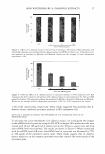
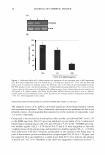
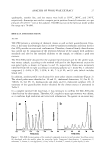
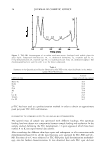
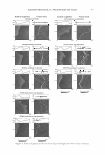
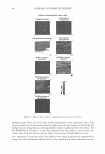
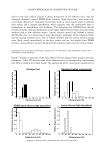
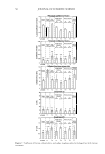
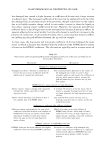
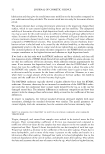
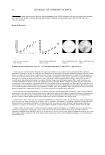
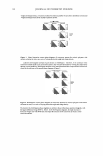
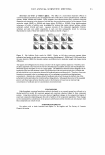
ANALYSIS OF WOOL-WAX EXTRACT 25 analyzed simultaneously by TLC-FID and GC-MS in order to confirm the TLC-FID chemical class identification and its viability as a quality control method. In order to carry out this work, an amber-colored wool-wax extract, obtained by supercritical fluid extraction (SFE) and fractionation of raw wool at constant pressure and temperature, using carbon dioxide modified with ethanol (1), was used. The chosen extract is par- ticularly relevant as it corresponds to the lipids soluble in ethanol therefore, it should contain the most polar lipids such as ceramides constituted of several subclasses (21), which are of major interest due to their properties (5). Therefore, a previous work (1) has been completed by confirming the identification carried out by TLC-FID and by char- acterizing in more detail the polar compounds. MATERIALS AND METHODS STANDARDS AND REAGENTS Chloroform, methanol, n-hexane, diethyl ether, acetone, and benzene (all for analysis) were purchased from Merck (Darmstadt, Germany), formic acid (85%) and perchloric acid (70%) were obtained from Probus (Badalona, Spain), and glacial acetic acid (99.5%) was obtained from Panreac (Barcelona, Spain). Palmitic acid behenyl ester (mono-ES), behenyl alcohol (AL), behenic acid (FFA) cho- lesterol (S), ceramide type II (Cer II), ceramide type IV (Cer IV), 7OH-cholesterol (analytical grade) (7OH-S), galactoceramides (G-Cer), tripalmitoylglycerol (TG), and cholesterol sulfate (S-Sul), all supplied by Sigma (St. Louis, MO) cholesteryl palmitate from Aldrich, (Steinheim, Germany) ceramide type III (Cer III) and ceramide type VI (II) (Cer VI) from Cosmoferm (Delft, The Netherlands) and dipalmitic acid hexadecyl ester (di-ES) synthesized in our laboratory were used as standard compounds for TLC/ FID lipid analysis. All purchased standards were analytical quality grade. Cholesteryl palmitate (97% purity) was obtained from Aldrich. Isooctane for trace analysis, ethyl acetate, and HPLC grade cyclohexane and BSTFA were purchased from Merck. Helium 5.0 grade from Air Liquide (France) was used as the carrier gas. The reagent gas for ionization was electronic grade ammonia from Air Liquide (France). PREPARATIVE TLC FRACTIONATION Fractionation of the lipid classes of an amber wool-wax extract was carried out by means of p-TLC. Prior to fractionation, four different weights of this wool-wax extract (11, 22, 29, and 35 mg) were tested to optimize the resolution, according to plate loading. The dry amber wool-wax extract (-30 mg) was redissolved in chloroform/methanol (2/1, v/v), developed on p-TLC plates silica gel 60 F2 54 (precoated for p-TLC, 20 x 20 cm, 2-mm thickness, Merck) and eluted with n-hexane/diethyl ether/acetic acid (80/20/1, v/v/v). Perchloric acid 40% was used as a universal organic compound developer. Spots were named from A to K, A being the original spotting point. The following spots were obtained: Rf A = 0.000, RfB = 0.033, Rfc = 0.072, RfD = 0.132, RfE = 0.191, Rf F = 0.23 7, Rf G = 0.283, Rf H = 0.368, Rf1 = 0.467, Rf 1 = 0.5 5 3, and RfK = 0. 7 30. They were scraped from the silica plate, extracted by sonication with chloroform/methanol (2/1, v/v) and concentrated roughly to 1 ml under a gentle nitrogen stream.
Purchased for the exclusive use of nofirst nolast (unknown)
From: SCC Media Library & Resource Center (library.scconline.org)