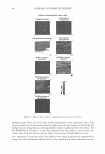
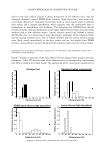
TAURINE AND PREVENTION OF DRY SKIN 3 1.00% Dow Corning 9040 fluid (Dow Corning, Midland, Texas), 1.50% behenyl al- cohol (Seppic), 2.75% arachidyl alcohol (Seppic), 1.00% cetearyl alcohol (Cognis), 0.30% carbomer (Goldschmidt, Essen, Germany), 1. 70% aluminium starch octenyl succinate (National Starch, Bridgewater, New Jersey), 1.00% Simugel NS (Seppic), 2.50% glycerol (Cognis), 2.00% propylene glycol (Brenntag, Muehlheim, Germany), and 5 .00% 1,6-hexandiol (BASF, Ludwigshafen, Germany). IN VITRO ASSAY FOR SURFACTANT-INDUCED SKIN IRRITATION Reconstructed epidermis (EpiDerm-200) was obtained from MatTek (Ashland, USA) 18 days after airlift and incubated according to the manufacturer's instructions. In addition, tissues were topically incubated with 5 µl of 0.18% (wt/wt) SDS in water for 1 h. After rinsing with phosphate-buffered saline, 2 mg/cm2 of the vehicle containing 1 % taurine or the vehicle alone (both at pH 5 .2) were applied for 24 h. Incubations with demin- eralized water or an emulsion containing 0.1 % (wt/wt) of the glucocorticoid triamcino- lone acetonide (Kortikoid-ratiopharm® Creme) were performed as negative or positive controls, respectively. Cellular viability was quantified using the MTT-test (MTT, 3-[ 4,5-dimethylthiazol-2-yl}-2,5-diphenyltetrazoliumbromid) (Sigma, Deisenhofen, Germany) as described previously (21). Lactate dehydrogenase activity in the culture medium was measured using a test kit obtained from Roche (Mannheim, Germany) according to the manufacturer's instructions. Quantification of IL-lalpha and PGE2 was performed using test kits available from R&D Systems (Minneapolis, Minnesota), with dilution of the culture medium at 1:4 and 1:10, respectively. LIPID ANALYSIS AND HISTOLOGY Reconstructed epidermis was obtained from SkinEthic (Nice, France) 1 7 days after airlift and incubated according to the manufacturer's instructions. Tissues were harvested and lipids were extracted according to Wertz et al. (22) in each of three solvent mixtures (chloroform/methanol 1/2 [v/v} chloroform/methanol/water 1/2/0.5 [v/v/v} and chlo- roform/methanol 2/1 [v/v }). Lipid extracts were applied to HPTLC-plates (Merck, Darmstadt, Germany) and separated using automated multiple development (Camag, Berlin, Germany), based on 15 steps with decreasing polarity, using appropriate mix- tures of methanol, chloroform, diisopropylether, and n-hexane. For quantitative analyti- cal HPTLC determination, increasing amounts of standard lipids (N-stearoyl- sphingosine, cholesterol, oleic acid, cholsterol sulfate, cholesterol oleate, phosphatidyl- ethanolamine, and phosphatidylcholine, all obtained from Sigma) were applied. After development, plates were air-dried, sprayed with 8% (w/v) H 3 PO4 containing 19% (w/v) CuSO4 , and charred at 180°C for 10 min, and the lipids were quantified by photodensitometry (Camag, Berlin, Germany). For light microscopy, samples were fixed by immersion in phosphate-buffered paraformaldehyde ( 4% ), embedded in paraffin, sectioned (5 µm), and stained with hematoxylin and eosin. EXPERIMENTALLY INDUCED SKIN BARRIER PERTURBATION A total of 78 volunteers with normal skin were included in the study. At first, 100 µl of an aqueous solution of 0.75% sodium dodecyl sulfate (SDS) was applied to the forearm

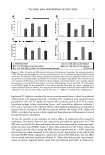
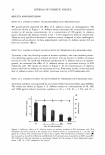
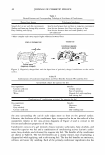
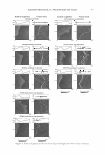
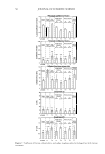
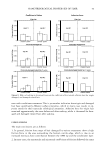
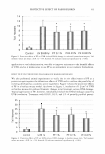
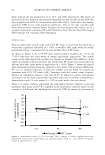
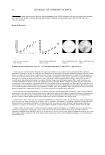
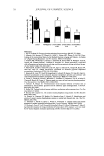
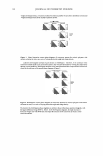
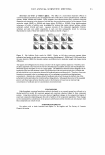
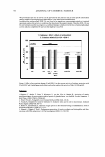
4 JOURNAL OF COSMETIC SCIENCE under occlusive conditions for 30 min. Then 100 µl of the respective test product was applied to the same area. This two-step treatment was repeated twice daily for a total of five days. The rate of transepidermal water loss (TEWL) was measured immediately prior to each SOS challenge using the Tewameter (Courage & Khazaka, Cologne, Germany). Measurements were performed at 23°C and at a constant humidity. All data were normalized to t0 and integrated. STATISTICAL ANALYSIS Statistical analysis was performed using the two-tailed and unpaired Student's t-test. RES UL TS AND DISCUSSION Exposure of epidermal cells to anionic surfactants such as sodium dodecyl sulfate (SOS) involves a cytotoxic and inflammatory response. To characterize the impact of taurine on surfactant-induced keratinocyte insults, reconstructed epidermis was topically incubated with 0.18% SOS for 1 h, and cellular viability, membrane integrity, and release of proinflammatory cytokines were monitored after a 24-h post-incubation phase. Taurine was incorporated into an o/w-emulsion that was topically applied to the reconstructed epidermis for 24 h. A vehicle control as well as a positive control based on 0.1 % glucocorticoid was analyzed in parallel. As expected, the application of SOS induced a decrease in cellular viability (Figure 2A) and an increased secretion of lactate dehydro- genase (LOH) to the culture medium (Figure 2B). These data indicate cell membrane permeabilization by SOS. Moreover, the levels of the proinflammatory cytokines, IL- lalpha and PGE2, in the culture medium were increased by SOS (Figure 2C,O). Ap- plication of 0.1 % glucocorticoid improved both viability and integrity when compared to control tissues treated with water (Figure 2A,B). As expected, glucocorticoid treat- ment also decreased the SOS-induced release of IL-lalpha and PGE2 (Figure 2C,0). With the exception of PGE2 levels, the vehicle had only minor effects on SOS-induced irritation. In contrast, the vehicle containing 1 % taurine displayed similar effects on viability, membrane integrity, IL-lalpha-, and PEG2-levels compared to the positive control. In summary, taurine treatment of reconstructed epidermis stressed by SOS resulted in a comprehensive anti-inflammatory profile. It is unlikely, however, that taurine and glu- cocorticoids share the same mechanism of action. Glucocorticoids such as triamcinolone acetonide are potent inhibitors of cyclooxygenase, the first enzyme in the conversion of arachidonic acid to prostaglandins (23). In contrast, there is no evidence that taurine directly regulates the synthesis of arachidonic acid metabolites such as PGE2. Our data show that taurine renders epidermal keratinocytes more resistant to cell membrane permeabilization by SOS, and this might at least in part account for the decreased release of inflammatory mediators. According to the well-established cellular osmolyte strategy, taurine plays a key role in cell volume regulation and the maintenance of membrane potential (24). Moreover, osmolytes such as taurine have been shown to stabilize the native structure of proteins (9). It remains unknown, however, whether SOS treatment imparts osmotic changes to epidermal cells or whether taurine displays direct effects on the interaction of SOS with membrane lipids and/or proteins.
Purchased for the exclusive use of nofirst nolast (unknown)
From: SCC Media Library & Resource Center (library.scconline.org)