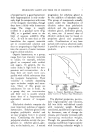
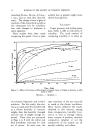
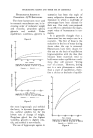
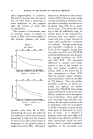
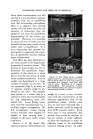
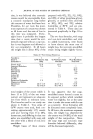
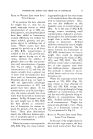
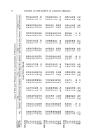
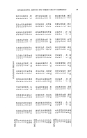
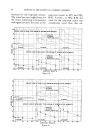
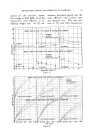
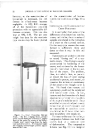
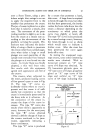
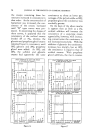
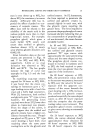
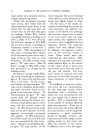
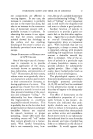
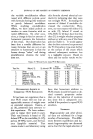
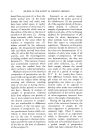
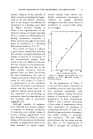
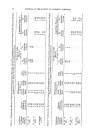
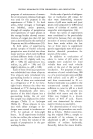
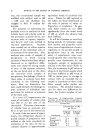
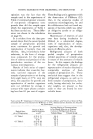
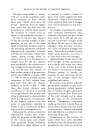
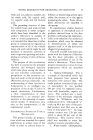
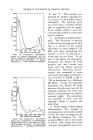
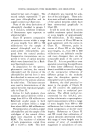
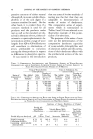
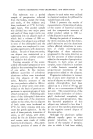
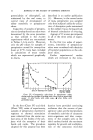
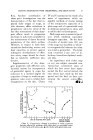
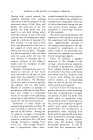
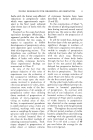
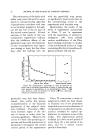
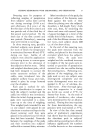
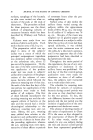
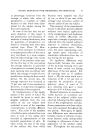
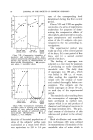
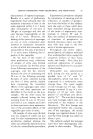
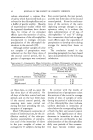
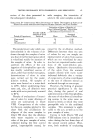
HYGROSCOPIC AGENTS AND THEIR USE IN COSMETICS 17 RATE OF WEIGHT Loss vaoM SOAP- TyPE C•,EAMS If we examine the data obtained for weight loss rs. time for ex- posed soap-type creams to which concentrations of up to 20% sor- bitol, glycerin, and propylene glycol have been added as humectants, marked differences are evident be- tween sorbitol, glycerin, and pro- pylene glycol in inhibiting loss of water. Where creams have been exposed for periods up to 48 hours at 30% R.H., concentrations of sorbitol as low as 2% provide pro- tection against drying out of the cream, whereas the addition of glycerin does not offer any protec- tion until concentrations of greater than 5% are added. At glycerin concentrations of 5% and less, the creams actually show a greater loss of water with increasing time than those with no humectant present. Propylene glycol does not begin to offer any appreciable advantages until concentrations of 10% and greater have been added. At low concentrations, as in the case of glyc- erin, the creams actually lose more water than those with no humectant present. In Fig. 10 (upper row), the per cent weight loss at 30% R.H. has been plotted rs. concentra- tion of humectant for creams ex- posed for periods of 8, 24, and 48 hours. These plots demonstrate clearly the difference between glyc- erin or propylene glycol rs. sorbitol at the low concentrations. Where the creams were exposed at 50% R.H. (Fig. 11), those contain- ing propylene glycol lost more water at all concentrations than the cream with no humectant present. Glyc- erin was also ineffective at this humidity even at concentrations of 20%. As in the case of 30% R.H. storage, creams containing small concentrations of glycerin and pro- pylene glycol lost considerably more weight than a similar cream con- taining no humectant. Sorbitol additions reduced the rate of weight loss at all concentrations. The ref- erence formula (no humectant) at 50% R.H. showed more of a loss in weight than would be expected when comparing the values at 30%, 50%, and 70% R.H. The 50% reference cream value is representa- tive of nine separate tests with later triplicate checks. Apparently this anomaly is related to uncon- trolled factors such as rate of crust formation, etc. Where the soap-type creams were exposed at 70%- R.H. (Fig. 12), data similar to that obtained for 30% and 50% R.H. storage were obtained with propylene glycol being ineffective at concentrations of 5% and less and with glycerin being in- effective at concentrations below 10%. Sorbitol inhibited water loss at all concentrations. Weight loss data are also plotted rs. time. These data, at a humectant content of 5%, are presented in Fig. 13. RATE Or WEIGHT Loss fRoM No•- Iomc TYPe CREAMS In the case of the weight losses for the non-ionic type creams, the data were much more erratic than those

18 JOURNAL OF THE SOCIETY OF COSMETIC CHEMISTS
Purchased for the exclusive use of nofirst nolast (unknown)
From: SCC Media Library & Resource Center (library.scconline.org)