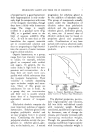
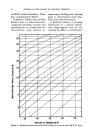
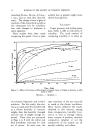
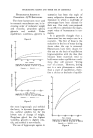
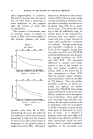
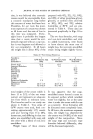
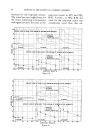
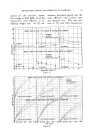
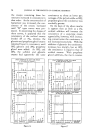
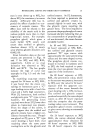
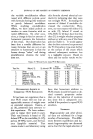
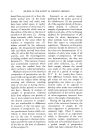
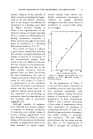
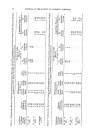
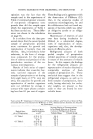
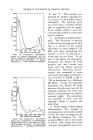
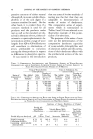
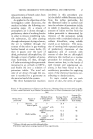
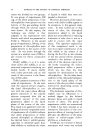
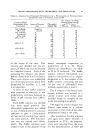
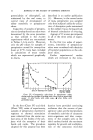
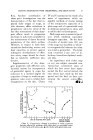
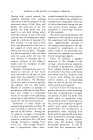
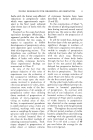
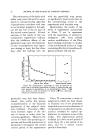
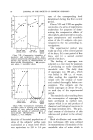
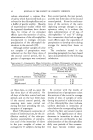
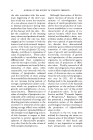
TESTING DEODORANTS WITH CHLOROPHYLL AND DERIVATIVES 63 review of the data presented in wide margins, the intensities of the subsequent tabulation. odors in the same samples as deter- TABULATION D--CoMPARATIVE MEAN INTENSITIES OF ODORS DETERMINED IN SAMPLES OF UeaNE COLLECTED FROM FIFTEEN SUBJECTS DURIN• CONTROl- AND T•sT PERIODS Period of Experiment Intensities of Odors of Samples of Urine Collected During 7 Hours After Asparagus as Dilutions with Air Number of P.M. , -, Samples of Urine Standard Analyzed Mean Error of Mean First control 75 20 0.88 Test 75 5 0.51 Second control 30 222 0.66 The predominant odor which was demonstrable in the volumes of air drawn through the samples of urine was that of methyl mercaptan which is volatilized readily by aeration of the samples of urine. In order to ascertain the effects of the oral ingestion of chlorophyllins upon the less readily volatilized sources of odors, other than methyl mercaptan, determinations of odors in urine were carried out by the water- dilution method. All samples of urine were heated on a water-bath to 40øC. before undertaking these tests and, also, all dilutions were made with water previously warmed to 40øC. Results of evaluations of intensi- ties of odors by water dilutions of urine are summarized in Chart VIII. Comparisons of the values for the p.m. samples plotted in this chart with the air-dilutions for aliquots of the same samples in Chart VII show that the dilutions with water requisite to render odors of the p.m. samples of urine, collected during the first control period, imperceptible exceed, by mined by the air-dilution method. Differences between these two sets of values for any one sample are representative of odors from sources which are not volatilized by aera- tion but are vaporized under condi- tions of the water-dilution pro- cedure. Qualitative characteristics of the odors from the warmed samples diluted with warm water indicated definitely that a variety of components of urine contributed to the sum of olfactory stimuli as evaluated through an osmoscope. However, the finding of greatest practical significance is the fact that, during the period of oral administration of the chlorophyllins, the sums of odors from all contribut- ing sources in the urine were re- duced to levels at which they were perceptible only in the undiluted samples. This statement is appli- cable to the a.m. as well as to the p.m. samples of urine. Curves in both Charts VII and VIII indicate rises in intensities of odors during the last three days of the second control period. How- ever, both methods of evaluating

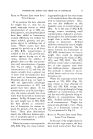
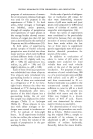
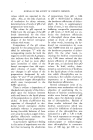
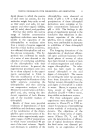
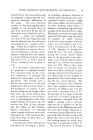
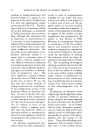
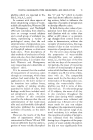
64 JOURNAL OF THE SOCIETY OF COSMETIC CHEMISTS odors in urine gave indications of hangover deodorant effects of the chlorophyll preparation which per- sisted through the first three days of this period. Results of this series of experi- ments lead to the conclusion that the oral administration of the prepara- tion of chlorophyllins "a" and "b" had no demonstrable influence upon the odor-producing capacities of perspiration but it did reduce effec- tively intensities of odors derived from metabolites excreted in the subjects' urines under the condi- tions of this final series of experi- ments. SUMMARY The primary determinant which motivated the preparation and sub- mission of this report was the realization of the current need for a critical review of methods of evalu- ating the merits and the limitations of deodorants intended for topical applications to skin of human sub- jects. In order to provide subject matter for the discussions, the author has selected several series of experiments which have been carried out in his laboratory within recent years. These experimental studies have been selected as repre- sentative examples of both in-vitro and in-vivo methods of assdying the capacities of deodorants either to eradicate objectionable odors or in- hibit the development of obnoxious odors. A prerequisite to both the in- telligent planning of test procedures and the practical interpretation of results of experimental or clinical trials of deodorants, is an under- standing of, at least, the funda- mental chemical and biological re- actions which give rise to malo- dorous end products. In view of the fact that the majority of the experiments, selected for review in this report, were concerned with the elimination or protection against the development of perspiratory odors, it was deemed advisable to present, in the Introduction, a brief discussion of the two variables upon which developments of perspiratory odors were dependent, viz. (a) the chemical composition of cutaneous soils in respect to the nutritional requirements of cutaneous bacteria and (b) metabolic activities of the micro6rganisms on the skin's sur- face. Results of the in-vitro experiments, reviewed in the Introduction, pointed to the conclusions which are listed in the following para- graphs. 1. Despite the fact that bacteria sampled from skin in perspiration exhibit relatively rapid rates of con- sumption of oxygen, exclusion of oxygen from the environments in which these micro-organisms are cultured does not inhibit the de- velopment of offensive odors. These findings contribute to an understanding of the failures of anti- oxidants as inhibitors of the pro- ductions of perspiratory odors. 2. Rates of growth and multi- plication of cutaneous bacteria in samples of perspiration are de- pendent upon the nutriment fur-
Purchased for the exclusive use of nofirst nolast (unknown)
From: SCC Media Library & Resource Center (library.scconline.org)