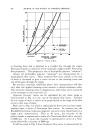
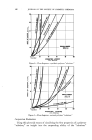
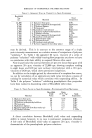
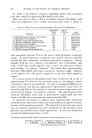
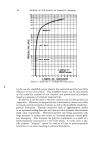
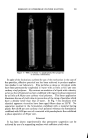
154 JOURNAL OF THE SOCIETY OF COSMETIC CHEMISTS The calculated minimum force/unit area necessary to permanently sus- pend particles is shown to be very closely related in actual experience to the physical measurement of yield value with the Brookfield Viscometer. Yield Value is associated with "Plastic" flow behavior. This is shown to be a very rare occurrence in "solutions" of the most widely used natural and synthetic gums. Of all the polymer "solutions" evaluated, carboxy vinyl polymer is unique in exhibiting high yield value at low concentra- tions. (1) Bowles, R. L., Davie, R. P., and Todd, W. D., "A Method for the Interpretation of Brookfield Viscosities," Modern Plastics, November (1955). (2) Heiberger, Dr. Philip, "Aqueous Coatings," Offiial Digest of Federation of Paint and Varnish Production Clubs, 29, 385, February (1957). (3) Levy, Gerhart, "Natural Gums in Cosmetic Formulations," Society of Cosmetic Chemists' Meeting, June, 1958. MUCOPOLYSACCHARIDES IN HUMAN EPIDERMIS By PETER FLESCH, M.D., PH.D.* Presented October 1, 1958, New York Chapter, New York City DtsRisc THE past few years our knowledge of the development and chemical composition of the human epidermis has progressed rapidly (1). In spite of great advances made in this field, we still do not understand some of the most common anomalies of the skin surface which are of great im- portance to dermatologists and cosmeticians alike. Therefore, the dis- covery of a new epidermal component is of considerable interest, because it may explain the origin of certain abnormalities. The present paper deals with such a component of the human epidermis, the mucopolysaccharides. Actually, the compounds are not at all "new." What we witness today is not their discovery, but their rediscovery. Thirty years ago, at a time when the role of the mucopolysaccharides in skin physiology was entirely unknown, Rothman, (2) with remarkable foresight, called attention to works of several German authors. These works reported the extraction from human and animal skin of a mucin-like substance which was soluble in alkali and could be precipitated with acetic acid. A large portion of * Dept. of Dermatology (Donald M. Pillsbury, M.D., Director), University of Penn- sylvania School of Medicine, Philadelphia 4, Pa. This study was supported in part by a grant from the National Institutes of Health, P. H. S. RG-4718 and Army Research Grant, DA-49-007-MD-154.

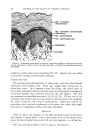
MUCOPOLYSACCHARII2ES IN HUMAN EPIDERMIS 155 this material was believed to have originated from the epidermal cells. This belief was based on the following finding: whole skin (epidermis -+- dermis) yielded considerably higher amounts of this mucin-like material than skin denuded of its epidermis. In the ensuing years more and more evidence began to accumulate indicating that in some epidermal structures and locations and under cer- tain conditions, mucopolysaccharides appeared to be consistently present. The evidence was based on histochemical observations and on direct chem- ical analyses. It is beyond the scope of this paper to discuss the specialized and often rather involved techniques which are used for the histochemical identifica- tion of mucopolysaccharides. For our purposes it will be sufficient to state that none of the histochemical methods are in themselves specific for mucopolysaccharides. However, when certain technical details are fol- lowed and when the effects of certain enzymes on the suspected material are observed, it is possible to conclude with a high degree of probability that the substance in question is indeed a mucopolysaccharide. One of the most characteristic staining features of mucopolysaccharides is their metachromasia, i.e. their ability to stain in a color different from the dye solution itself. For details the reader is referred to reviews in the field (3,4,5). Among epidermal structures, metachromatic material was found by Swedish scientists in some growing structures, such as the nail matrix (6), in the root sheaths of the hair, in epidermal hyperplasia, in precancerous and cancerous lesions (7, 8). More recently Montagna et al. published beautiful pictures, showing metachromasia in the external sheath of the hair follicle. Of great interest is also the intense metachromasia of the papillae of growing hair follicles (9). With the use of metachromasia and of other histochemical techniques, mucopolysaccharides were shown in the intercellular spaces of normal (9a) and pathologic epidermis (10) and in psoriatic epidermis (11, 12) and horny layer (13). CHEMICAL ANALYSES Hydrolysis of epidermal structures and extracts sets free the component elements of mucopolysaccharides. Building stones, such as hexosamine, hexose and uronic acid can be qualitatively and quantitatively analyzed. A mucoprotein was isolated from extracts of psoriatic scales by Roe (12) a similar substance could be extracted from scales o,f a patient'with ex- foliative dermatitis as well (14). Hexosamine, protein-bound hexose and glucuronic acid were found in homogenates of normal epidermis in higher concentrations than in blood serum (10) these compounds also occurred in hydrolyzed scales and scale extracts of patients with psoriasis (1,1).
Purchased for the exclusive use of nofirst nolast (unknown)
From: SCC Media Library & Resource Center (library.scconline.org)