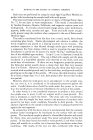
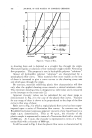
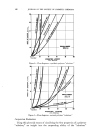
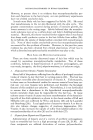
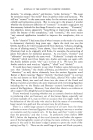
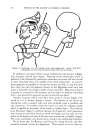
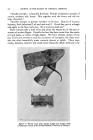
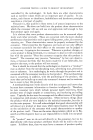
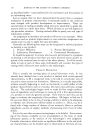
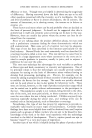
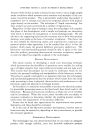
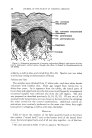
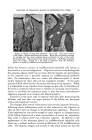
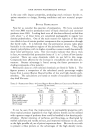
188 JOURNAL OF THE SOCIETY OF COSMETIC CHEMISTS Str. corneum clisj unetum Str. eorneum conjuncture 'Barriere) granulosum germinativum Kaplllare Corium ß Figure 1.--Schematic presentation of stratum conjunction (Barrier) and stratum disjunc- turn in microscopic vertical section through skin (from A. Szakall in Berufsdermatosen, 6, 171 (1958). subjects, as well as sites, and varied from 10 to 30. Special care was taken to avoid any oozing or extravasation of blood. Subjects and Sites The samples were obtained from 17 white male--and three white female volunteers with healthy skin. Their age ranged from twenty-two to thirty-four years. As is apparent from the tables, the lateral parts of lower chest and upper back were the skin areas most frequently investigated occasional samples were collected also from the calf regions. The skin was prepared as described previously (9, 10, 12, 13). Of any two of the symmetrically located sites, one was chosen as the test site for the stripping, the other served for the control examinations. Additional control ex- aminations were routinely performed on the same sites about forty-eight hours prior to stripping, as well as a few days thereafter. RESULTS Table it shows the medians of the lipid quantity found on the intact skin surface ("casual level") and at the barrier level of the lateral lower chest, the lateral upper back, and of all test sites together--i.e. of the fore- The values presented in Tables 1-3 will also appear in "Der Hautarzt."

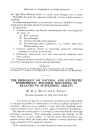
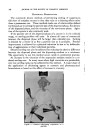
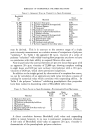
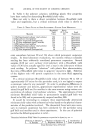
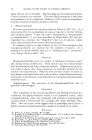
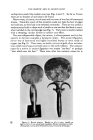
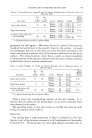
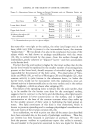
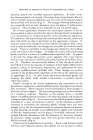
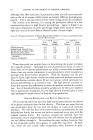
STRIPPED AND UNSTRIPPED HUMAN SKIN 189 TABLE I--LIPID QUANTITY (mgm/20 cm •) ON INTACT SURFACE AND AT BARRIER LEVEL OF HEALTHY SKIN No. No. Ratio: of of Barrier ß Test Area Subj.* Assays Level Median Range Surface Barrier 0.40 0.20-1.20 Lower chest, lateral 17 38 Surface 0.70 0.38-i7. 20 0.62 Barrier 0.56 0.20-0.80 Upper back lateral 8 9 Surface 0.80 0.50-1.40 0.78 As above, plus canes (all Barrier 0.44 0.2 sites examined) 20 48 Surface 0.70 0.38-1.40 0.69 * 1-5 determinations per site in a given subject. going plus the calf regions. Moreover, the ratio is shown of the quantity found at the barrier level to the quantity found on the surface. As would be anticipated, the ratio is less than one, since the lipids contained in the lower zone present a fraction only of the amount collected from the intact surface. The ratios, however, reveal that as much as around two-thirds to three-quarters of the amount collected from the intact surface is present in the barrier zone (or stratum conjunctum). TABLE 2.--ACID NUMBER OF LIPIDS ON INTACT SURFACE AND AT BARRIER LEVEL OF HEALTHY SKIN No. No. Ratio: of of Barrier Test Area Subj.* Assays Level Median Range Surface Barrier 37 15-75 Lower chest, lateral 17 38 Surface 44 22-84 0.76 Barrier 48 19-70 Upper back lateral 8 9 Surface 62 33-86 0.78 As above, plus calves (all Barrier 38 15-75 sites examined) 20 48 Surface 50 22-86 0.76 * 1-5 determinations per site in a given subject. Table 2 shows the corresponding medians of the acid number. It is obvious that the values for the barrier-lipids are by about one-fourth below those obtained for the surface. The spreading index, on the other hand, is virtually the same for both levels, as is apparent from Table 3. Discussion The finding that a large proportion of lipid is contained in the base (barrier level) of the stratum comeurn is in full confirmation of the results of Szakall (17). He found that two main lipid deposits normally exist in
Purchased for the exclusive use of nofirst nolast (unknown)
From: SCC Media Library & Resource Center (library.scconline.org)