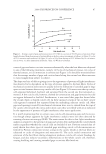
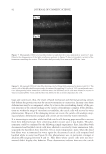
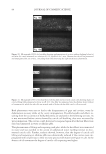
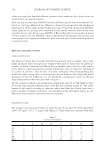
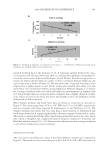
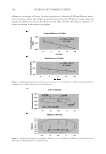
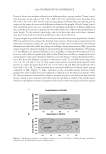
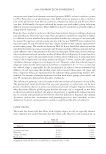
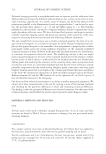
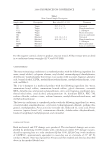
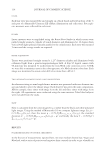
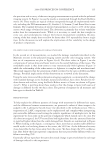
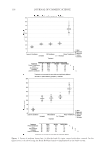
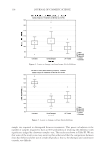
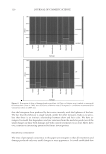
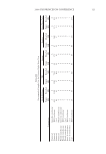
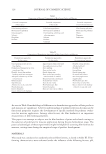
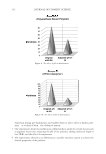
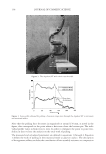
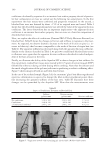
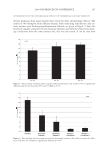
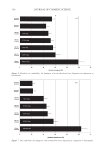
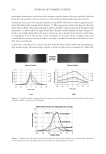
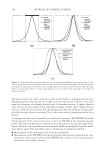
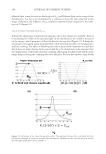
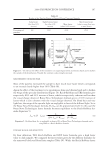
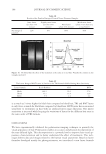
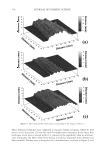
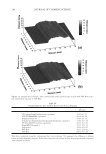
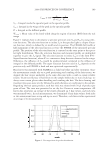
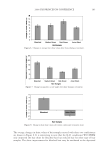
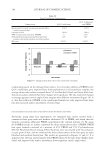
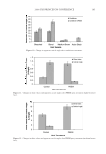
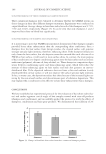
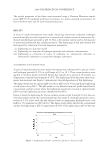
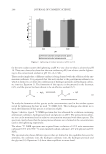
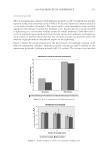
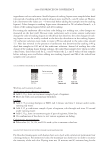
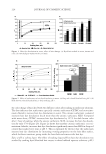
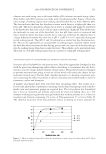
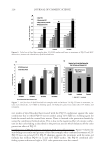
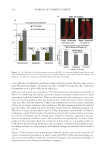
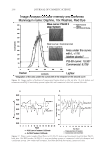
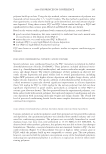
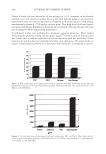
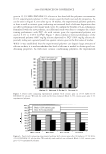
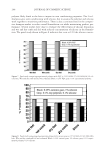
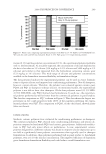
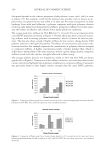
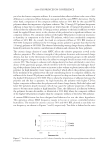
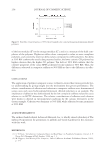
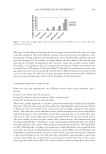
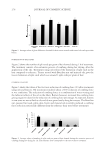
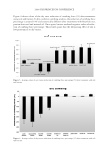
JOURNAL OF COSMETIC SCIENCE 196 Figure 13. Change in blond hair shine values from three commercial shampoo products. SHINE PERFORMANCE OF THREE COMMERCIAL SHAMPOO PRODUCTS Three commercial shampoos were evaluated to determine whether the SAMBA system can detect changes in shine after different shampoo treatments, Experiments were conducted on virgin blond hair. Average change in hair shine index for each of the shampoos was 9.73%, 7.9% and 2.04%, respectively (Figure 13). It can be seen that only shampoos 1 and 2 improved hair shine on blond hair signifi cantly. SHINE PERFORMANCE OF SHAMPOO AND CONDITIONER It is interesting to note that SAMBA measurements demonstrated that shampoo samples provided better shine enhancement than the corresponding shine conditioner. Since a shampoo frees the hair surface from foreign residue, the cleaned surface will generate stronger specular light intensity, therefore, enhancing shine. If the shampoo formula not only cleans the hair surface, but also deposits some thin smooth fi lm such silicone oil or PBEM on hair surface, it will result in more surface shine. In contrast, the main purpose of hair conditioner is to deposit conditioning agents onto the hair surface such as cationic surfactants (polymers), silicone oil, fatty alcohol, etc. There always is a competitive depo- sition between conditioning agent and shine-enhancing agent, which will reduce the amount of shine-enhancing agent on hair surface and may also generate an uneven- distributed fi lm. If the deposited substance does not form a thin and uniform (evenly distributed) fi lm on hair surface, it will not improve the surface specular light intensity. In fact, in many cases, the depositions reduce hair shine because of the increased light scat- tering by the non-smooth surface and discontinuous spots of substance depositions. This may explain why a conditioner is less effective in hair shine enhancement than a shampoo. CONCLUSIONS We have established an experimental protocol for the evaluation of hair shine index (lus- ter) and surface apparent cuticle angle of hair samples treated with rinse-off products (shampoo and conditioner), and successfully applied the protocol to study the effects of shampoos, conditioners and hair spray products. We demonstrated that addition of 2%

2008 TRI/PRINCETON CONFERENCE 197 PBEM to a Quaternium-91 conditioner formula provided improved hair shine and smoothness. We also saw shine improvements on bleached, Asian black, medium brown, and dark brown hairs by a commercial shine shampoo. The results also showed that sham- poos are more effective in hair shine enhancement than the corresponding conditioners. ACKNOWLEDGMENT We thank Croda Inc Application group for preparation of the hair spray and conditioner samples. REFERENCES (1) Crodamol STS (INCI name: PPG-3 Benzyl Ether Myristate) is covered by U.S. Patents No. 7,217,424 and 6,987,195 assigned to Croda Inc.. (2) P. Clemenceau, S. Breugnot, and B. Pouet, In vivo quantitative evaluation of gloss, Cosmet. Toiletr., 119(10), 71–78 (2004). (3) J. M. Lim, M. Y. Chang, M. E. Park, T. J. Kwak, J. J. Kim, and C. K. Lee, A study correlating between instrumental and consumers’ subjective luster values in oriental hair tresses, J. Cosmet. Sci., 57, 475–485 (2006). (4) R. F. Stamm, M. L. Garcia, and J. J. Fuchs, The optical properties of human hair. II. The luster of hair fi ber, J. Soc. Cosmet. Chem., 28, 601–609 (1977). (5) C. Reich and C. R. Robbins, Light scattering and luster measurements of human hair: A sensitive probe of the hair surface, J. Soc. Cosmet. Chem., 44, 221–234 (1993). (6) F. J. Wortmann, E. Schulze zur Wiesche, and B. Bourceau, Analyzing the laser-light refl ection from human hair fi bers. II. Deriving a measure of hair luster, J. Cosmet. Sci., 55, 81–93 (2004). (7) T. Gao, A. Pereira, and P. Obukowho, A new multifunctional, shine-enhancing emollient: PPG-3 benzyl ether myristate, J. Cosmet. Sci., 55(Suppl.), S143–S150 (2004).
Purchased for the exclusive use of nofirst nolast (unknown)
From: SCC Media Library & Resource Center (library.scconline.org)