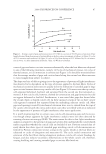
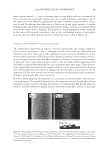
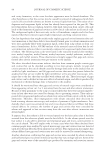
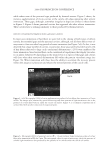
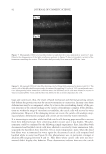
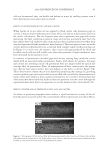
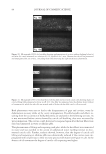
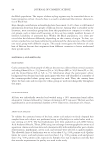
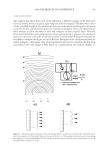
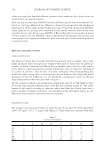
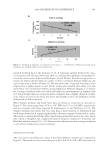
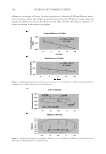
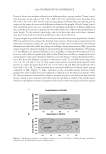
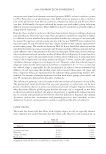
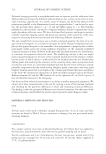
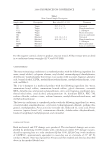
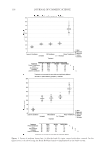
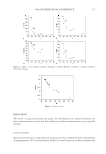
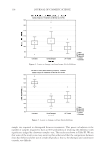
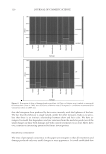
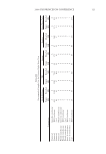
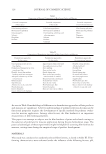
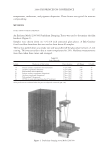
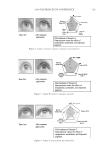
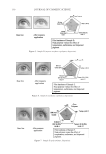
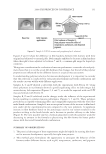
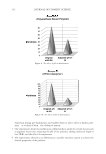
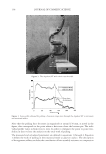
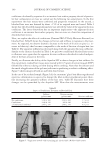
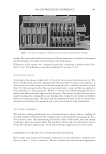
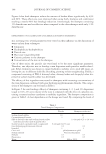
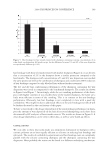
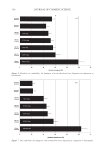
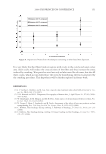
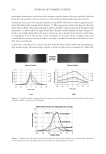
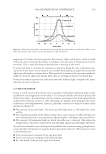
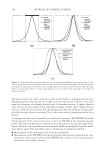
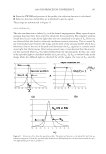
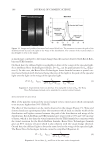
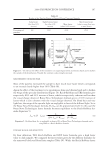
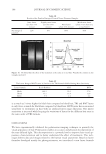
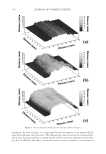
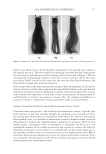
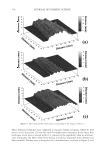
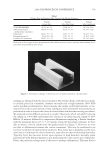
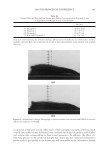
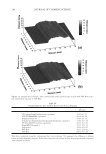
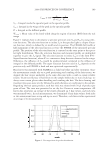
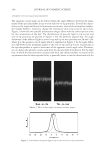
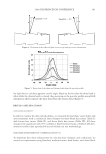
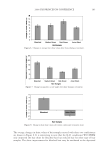
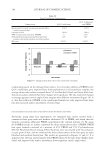
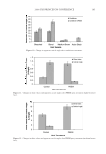
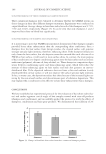
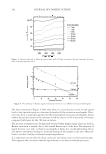
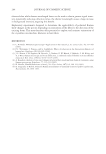
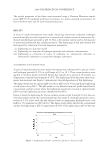
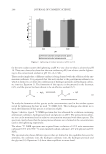
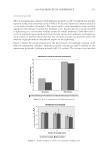
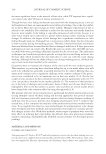
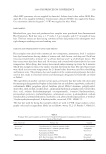
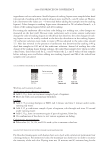
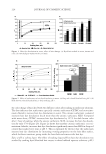
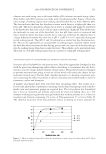
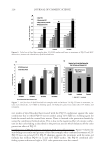
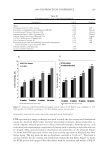
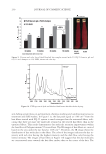
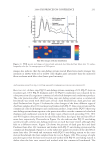
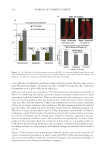
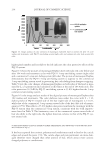
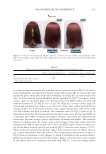
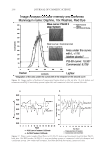
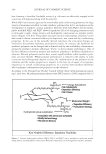
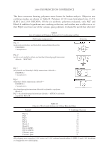
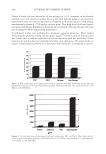
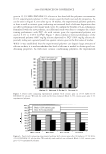
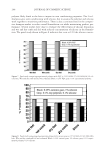
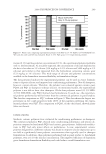
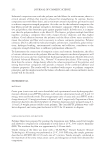
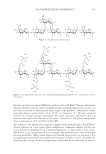
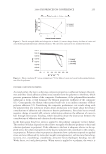
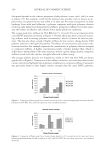
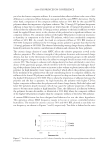
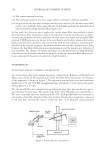
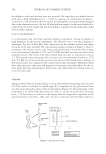
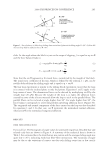
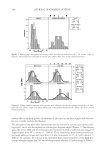
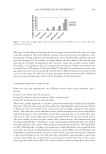
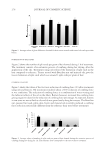
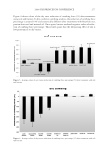
2008 TRI/PRINCETON CONFERENCE 213 (IV) ROLE OF GLYCINE The use of ammonium carbonate with hydrogen peroxide at pH 9 to lighten hair was fi rst reported in the patent literature in the 1960s (14) but it has only been commercialized in a very limited number of products. The issue found in early formulation work was that signifi cant fi ber damage occurred over multiple cycles. In particular for a system matched in lightening to a conventional oxidant system the tensile properties of the fi bers after 3 cycles of treatment were signifi cantly lower for the ammonium carbonate, hydrogen per- oxide system. It has been found that this loss of tensile strength can be prevented by the addition of glycine with no detrimental impact on the lightening. Figure 7 shows the tensile properties of the hair treated over multiple coloring cycles with the ammonium carbonate, hydrogen peroxide and glycine (pH 9) oxidant vs. the ammonium hydroxide, hydrogen peroxide (pH 10) oxidant. The systems were matched Figure 6. Role of ammonia in the lightening process. Figure 7. Tensile strength of oxidants over multiple coloring cycles.

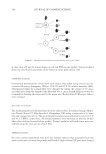
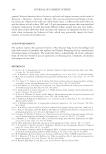
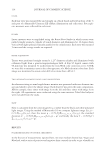
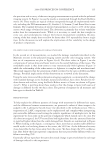
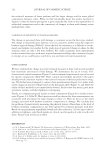
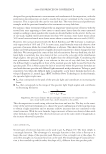
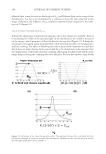
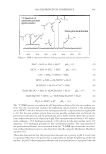
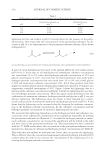
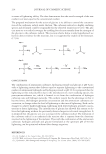
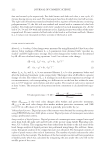
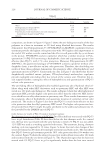
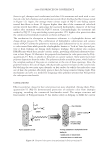
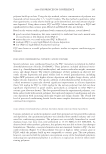
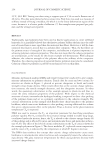
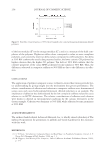
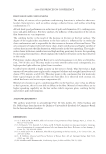
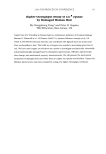
JOURNAL OF COSMETIC SCIENCE 214 in terms of lightening ability. The data demonstrate that the tensile strength of the new oxidant is at least equal to the conventional oxidant. The proposed mechanism for the action of glycine is its ability to control the concentra- tion of the carbonate radical inside the hair. The carbonate radical is a highly oxidizing species and if formed could be responsible for the observed tensile loss (15,16). The gly- cine may act as a radical scavenger by enabling fast electron transfer from the nitrogen of the glycine to the carbonate radical. The reaction scheme below is only hypothesized we have no direct evidence for the reactions, but it is supported by studies in the literature. (17,18). CONCLUSIONS The combination of ammonium carbonate, hydrogen peroxide and glycine at pH 9 pro- vides a lightening system that delivers equal to superior lightening to the conventional oxidant of ammonium hydroxide and hydrogen peroxide at pH 10. It is proposed that the lightening at this reduced pH is due to the introduction of a new oxidizing species, the peroxymonocarbonate ion, which is formed in-situ from the combination of hydrogen carbonate ions and hydrogen peroxide. This oxidant system has the advantage in that it has two levers, the hydrogen peroxide concentration and the ammonium carbonate con- centration, to change either the level of lightening or the time of lightening. Both can be changed to achieve higher lightening, lightening with lower hydrogen peroxide concen- trations or faster lightening. The introduction of glycine has allowed this system to de- liver this lightening without the previously observed negatives of tensile strength loss. It is proposed that the glycine acts as a scavenger of the carbonate radical. The formation of the carbonate radical is an undesired side reaction that is separate from the chemistry involved in the lightening of the melanin. Thus with the combination of the ammonium carbonate, hydrogen peroxide and glycine formulated at the optimum pH of 9.0 the lightening can be optimized without fi ber damage negatives. REFERENCES (1) J. J. Corbett, J. Soc. Cosmet. Chem., 24, 103 (1973). (2) F. E. Wall, in Cosmetics Science and Technology, E. Sagarin, Ed. (Interscience New York, 1957), Ch. 21. (3) J. Jachowicz, Hair damage and attempts to its repair, J. Soc. Cosmet. Chem., 38(4), 263–286 (1987).
Purchased for the exclusive use of nofirst nolast (unknown)
From: SCC Media Library & Resource Center (library.scconline.org)