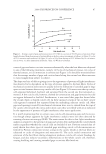
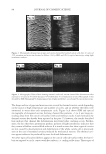
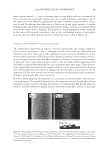
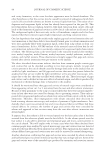
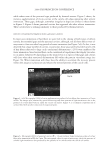
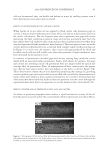
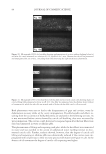
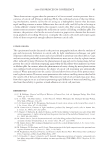
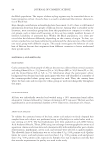
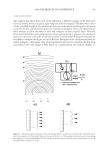
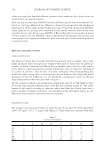
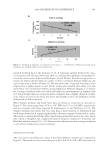
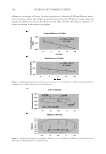
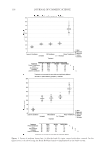
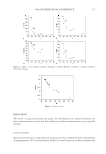
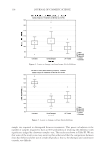
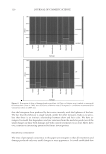
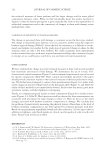
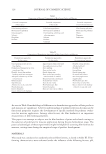
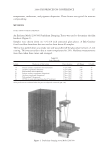
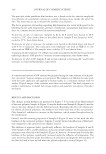
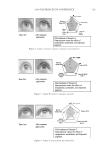
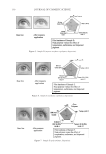
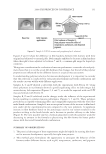
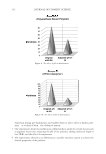
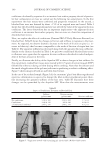
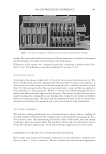
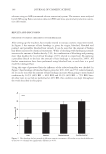
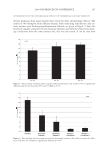
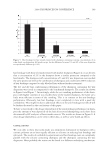
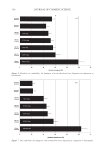
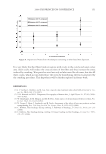
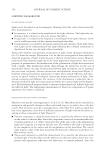
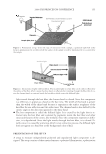
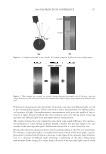
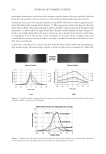
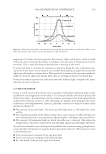
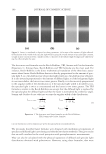
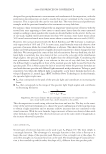
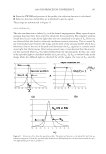
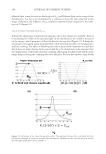
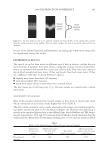
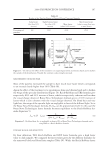
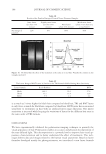
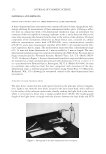
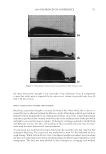
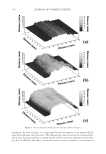
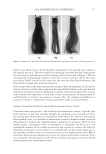
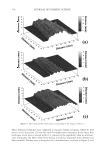
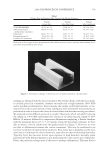
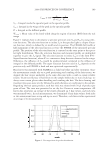
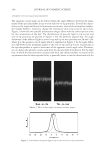
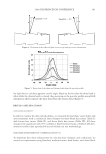
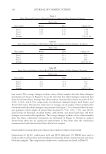
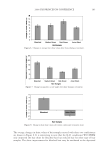
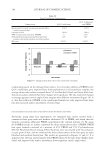
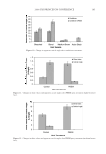
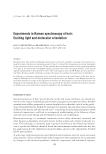
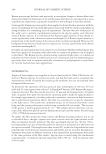
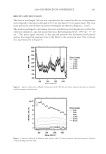
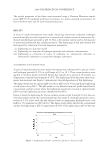
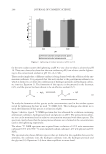
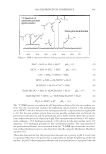
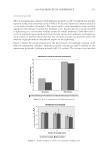
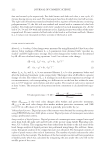
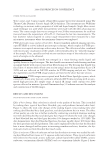
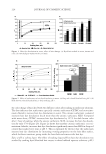
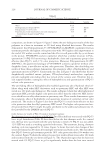
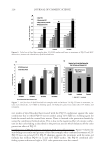
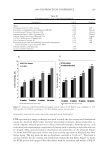
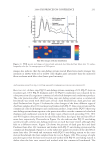
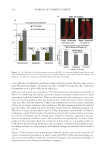
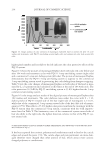
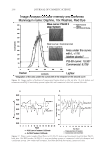
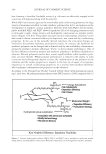
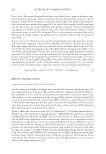
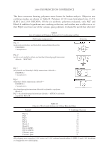
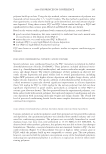
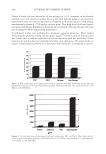
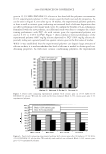
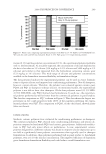
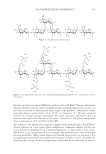
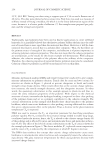
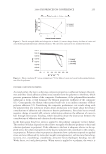
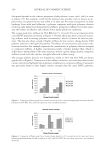
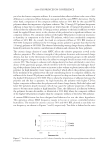
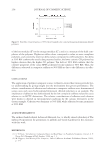
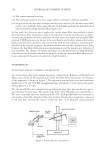
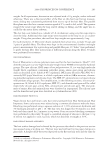
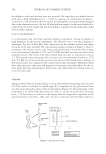
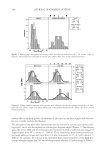
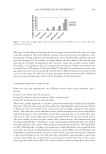
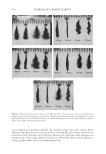
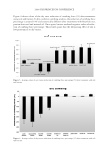
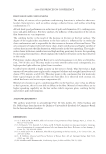
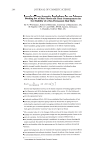
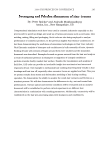
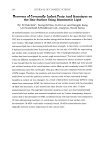
JOURNAL OF COSMETIC SCIENCE 276 FORMATION OF SPLIT ENDS Figure 2 shows the number of split ends per gram of hair formed during 1 h of treatment. The treatment consists of an extensive process of combing during hot drying, after the application of the oils. Treatments using oils reduced the formation of split ends in the hair compared to reference. Tresses treated with Brazilian nut and mineral oils gave the lowest formation of split ends which was around 4 split ends per gram of hair. COMBING ANALYSIS Figure 3 shows the values of the wet tress reduction of combing force (%) after treatments using oils and butters. Oil treatments rendered about a 60% reduction of combing force at wet conditions. The reduction of combing forces is a combination of water wetting and the lubricant effects of the oil on the fi bers. Butters however, increased the combing force giving negative values for the reduction of combing force percentage. As expected, butters in raw state are not as fl uid as oils and do not spread easily along hair tresses. The Brazilian nut, passion fruit seed, palm olein, buriti and mineral oils (control) produced a combing force reduction statistically different from the reference (hair tress before treatment). Figure 1. Average values of gloss difference obtained for hair tresses treated with several oils and sapucainha butter. Figure 2. Average values of number of split ends per gram of hair formed during the extensive process of combing during hot drying for 1 h. The reference tress corresponds to the tress without treatment.

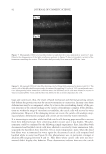
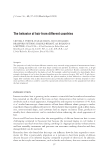
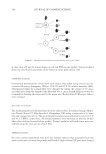
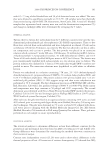
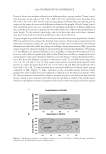
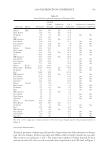
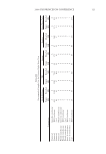
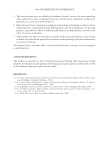
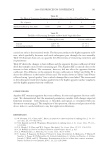
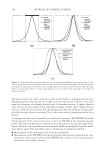
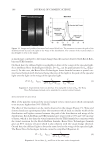
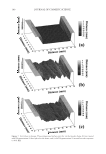
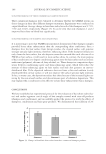
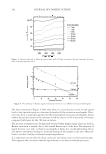
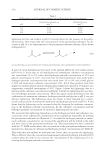
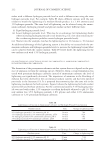
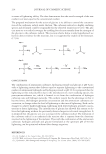
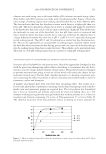
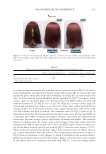
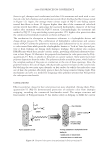
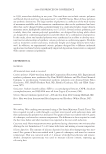
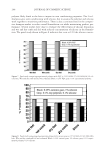
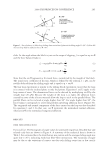
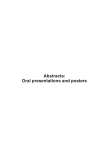
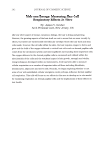
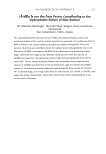
2008 TRI/PRINCETON CONFERENCE 277 Figure 4 shows values of the dry tress reduction of combing force (%) after treatments using oils and butters. In dry condition combing analysis, the reduction of combing force percentage is around 19% and statistically different after treatments with Brazilian nut, passion fruit seed and mineral oil. Once again, butters rendered negative values of reduc- tion of combing force percentage. This results point that the lubricating effect of oils is low pronounced to dry tresses. Figure 3. Average values of wet tresses reduction of combing force percentage (%) after treatment with oils and butters. Figure 4. Average values of dry tresses reduction of combing force percentage (%) after treatment with oils and butters.
Purchased for the exclusive use of nofirst nolast (unknown)
From: SCC Media Library & Resource Center (library.scconline.org)