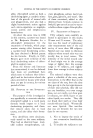
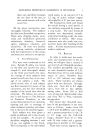
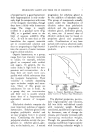
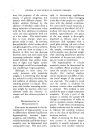
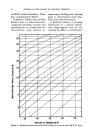
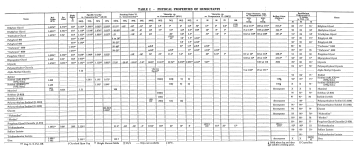
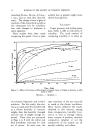
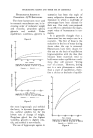
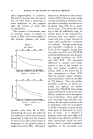
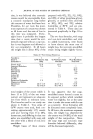
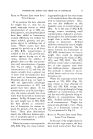
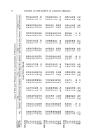
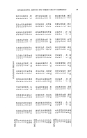
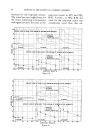
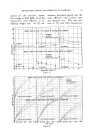
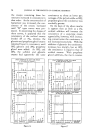
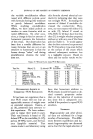
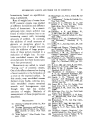
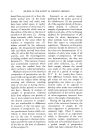
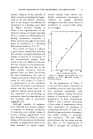
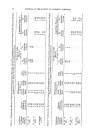
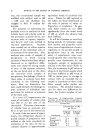
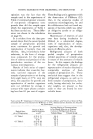
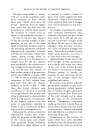
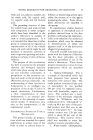
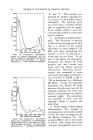
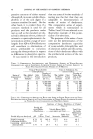
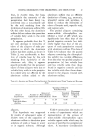
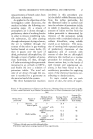
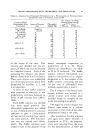
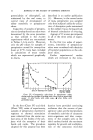
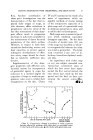
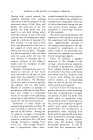
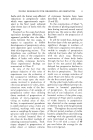
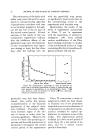
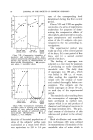
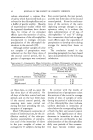
TESTING DEODORANTS WITH CHLOROPHYLi• AND DERIVATIVES 33 human subjects within periods of thirty minutes preceding the begin- ning of the test period. Steriliza- tion of one aliquot was effected by immersion in a boiling water bath for fifteen minutes. Graphs in Chart I are representative of the relative volumes of oxygen absorbed by 2 c.c. aliquots of the perspiration during consecutive intervals of thirty minutes throughout the three hours of incubation in a Warburg Microrespirometer at 37.5 ø C. The curves of Chart I indicate a good linear relationship between the volumes of oxygen absorbed and lengths of periods of incubation of the non-sterilized sample. Inas- much as the sole difference between the two aliquots of the pooled per- spiration was the fact that in the fresh sample, cutaneous microiSr- ganisms have not been inactivated by heat sterilization, the rate of oxygen consumption depicted by the curve for this aliquot in Chart I is representative of the metabolic activities of bacteria in perspiration within the first three hours of in- cubation during which growths of the organisms are proceeding at maximum rates but reproduction of the bacterial cells is practically negligible (12). Although samples of perspira- tion, collected from human subjects in response to thermal stimulation of sweating, may exhibit slopes of curves varying significantly from that illustrated in Chart I, never- theless all the pooled and individual samples of perspiration which have been included in similar experi- mental studies have shown uni- formly cumulative increments in volumes of oxygen absorbed throughout the first three hours of incubation in contact with either air or oxygen. •0 n 0 0 60 120 180 TIME OF INCUBATION, MINUTES Chart [.•Oxygen consumption by per- spiration at 37øC. ß fresh sample, sterilized sample. In the preparation of Chart I, it was not the author's intention to conclude or even to infer that oxida- tion reactions exclusively took place throughout twenty-four-hour periods of incubation of samples of perspiration at body temperature. Tables 1 and 2 present sum. maries of two series of experiments which were undertaken for purposes of comparing intensities of odors pro- duced during incubation of perspira- tion under aerobic or anaerobic test conditions. The sole differ- ence between the two series was the fact that, in the experiments of Table 1, nitrogen was utilized for

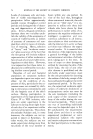
34 JOURNAL OF THE SOCIETY OF COSMETIC CHEMISTS 0 • o o I o • ...•._• • 000 000',4) 0oooo 0• •0
Purchased for the exclusive use of nofirst nolast (unknown)
From: SCC Media Library & Resource Center (library.scconline.org)