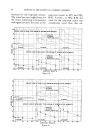
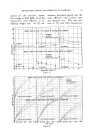
TESTING DEODORANTS WITH CHLOROPHYLL AND DERIVATIVES 51 liquid phases in which the sources of odor were (a) amines, (b) low molecular weight fatty acids as well as their esters and salts, (c) mer- captans and other organic sulfides, and (d) indol, skatol, and pyridine. The fact that within this narrow range of hydrion concentration significant reductions were demon- strable in the capacities of the chlorophyllins to eradicate odors from a variety of sources suggested that the critical hydrion concentra- tion affected chlorophyllins and not the odorous compounds. This hy- pothesis was confirmed by results of a series of tests directed to the objective of correlating solubilities of the chlorophyllins with their deodorant actions. In general, the experimental procedures were simi- lar to those adopted in the experi- ments summarized in Table 6. The sole modification of the tech- nique comprised the filtrations of the buffer solutions containing the chlorophyllins and then carrying out comparative analyses of the tiltrates for concentrations of chloro- phyll and, also, testing the deo- dorant capacities of both tiltrates and of the insoluble residues of chlorophyll. Results of these tests provided evidences of dependencies of both solubilities and deodorant capacities of the combination of the chloro- phyllins upon concentrations of hy- drions within approximately equiv- alent ranges of pH of preparations in which water constituted 90 per cent of the total volumes. Signifi- cant decreases in solubility of the chlorophyllins were observed at levels of pH = 5.70 4- 0.20 and precipitations of these chlorophyll derivatives were complete at hy- drion concentrations indicated by pH = 4.50. The findings in this group of experiments pointed to the conclusion that reductions in deo- dorant capacities of the chloro- phyllins, even in weakly acid ,olu- tions, were attributable to decreases in solubilities of these chlorophyll derivatives. The foregoing discussions of the dependencies of deodorant efFicien- cies upon acid-base balances of the liquid phases of sources of odors have been limited to results of tests of sodium-magnesium and sodium- copper chlorophyllins. No refer- ence has been made to either natural chlorophyll or the acid digest of chlorophyll. The reason for omitting the latter two products from these discussions is obvious. Neither natural chlorophyll nor the acid digest of chlorophyll is soluble in water. Hence, in aqueous solu- tions, except at high levels of alkalinity (at pH = 9.00 or more), they exhibit no deodorant actions. The three subsequent series of experiments were selected for pres- entation in Charts IV to VIII in- clusive for purposes of exemplifying in-vivo methods of evaluating deo- dorants. The objectives of the first two of these series of experi- ments (Charts IV, V, and VI) were the determinations of efFicien- cies of topical deodorants whereas the final series was directed pri- marily to an exploration of the

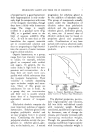
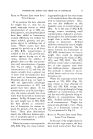
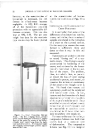
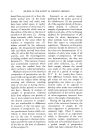
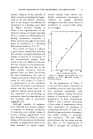
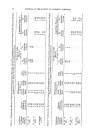
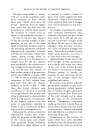
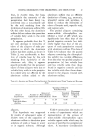
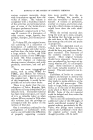
52 JOURNAL OF THE SOCIETY potentialities of chlorophyll• ad- ministered by the oral route, to control rates of development of either metabolic or perspiratory odors. Capacities of samples of perspira- tion to develop obnoxious odors were determined by the same procedure as that utilized in the in-vitro experiments which are summarized in Tables 3, 3-A, and 6. However, only the pO values for samples of perspiration stored for twenty-four hours at 37øC. have been included in calculations of mean results which are represented graphically in charts. OF COSMETIC CHEMISTS described in an earlier publication (5). However, in the second series of tests, perspiration was sampled only from subjects' axillas by utiliza- tion of absorption pads maintained in the axillary fossas during periods of thermal stimulation of sweating. A group of 15 women participated in all of the three series of experi- ments. In the first two series of experi- ments, intensities of perspiratory odors were correlated with densities of bacterial populations on the sub- jects' skins. Earlier experimental studies which are reviewed in the intro- ø11\ I I I I I I i •-2o•t ox z•. It \ 0 o• I[ O• •'o I% ", •' .AI • •0 •-•oo/• • I I • I t 2 5 4 7 8 9 DAYS OF WASHINGS WITH SOAPS I I I $ 4 5 6 DAYS OF SECOND CONTROL PERIOD Chart IV.--Comparative reductions in perspiratory odors during and after periods of bathing with either plain or germicidal soaps. O after baths with plain soap, ß after baths with germicidal soap. In the first (Chart IV) and third (Chart VII) series of experiments, samples of perspiration excreted in response to thermal stimulation were collected from the entire sur- face areas of the bodies of the sub- jects with the exception of their heads and necks. The procedure adopted for this purpose has been duction have provided convincing evidences that the sources of'per- spiratory odors are the end products of metabolic activities of cutaneous micro-organisms and that compo- nents of the complex soils on the skin's surface furnish the nutriment requisite for growth and multiplica- tion of the cutaneous microbial
Purchased for the exclusive use of nofirst nolast (unknown)
From: SCC Media Library & Resource Center (library.scconline.org)