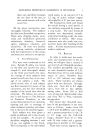
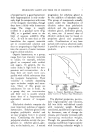
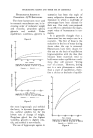
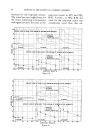
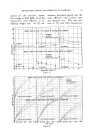
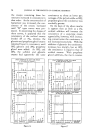
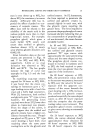
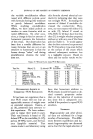
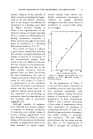
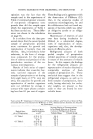
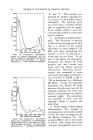
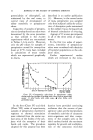
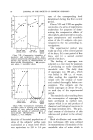
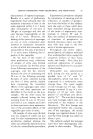
TESTING DEODORANTS WITH CHLOROPHYLL AND DERIVATIVES 55 baths with the former soap effected reductions in perspiratory odors which were approximately equiv- alent to the final result achieved after eleven days of baths with the plain soap. Inasmuch as the soaps had shown equivalent detergent efficiencies, it appeared probable that the differ- ences between the two soaps, in respect to capacities to inhibit developments of perspiratory odors, were dependent upon variations in their skin-degerming actions. This hypothesis was confirmed by the results of tests of the comparative effects of baths with either soap upon viable, cutaneous bacteria. These experimental findings are summarized in Chart V. In view of the fact that the primary objective of this series of experiments was the evaluation of the comparative inhibitory effects of the two soaps upon the mech- anisms involved in productions of obnoxious perspiratory odors, deter- minations were made of the bac- terial populations of all samples of perspiration rather than utilizing direct methods of preparations of cultures of micro-organisms sur- viving on washed areas of skin. In fact, in experimental procedures in which extensive areas of skin are involved, washings with soap and water or samplings by means of per- spiration yield more reliable criteria of the residual bacterial flora of skin than do the direct methods of culturing cutaneous bacteria. Tech- niques adopted in preparations of either direct or indirect cultures of cutaneous bacteria have been described in earlier publications (5 and 23). In the construction of Chart V, the scheme of plotting experimental data during test and second control periods was the same as that which had been used in the preparation of Chart IV. It will be noted that, during the first four days of the test periods, no significant changes in numbers of viable micro-organisms were demon- strable in samples of perspiration collected four hours after tub baths with the plain soap. However, continuation of these daily baths through the last five of the eleven days of the test period did effect delayed but progressive declines in numbers of bacteria sampled from the skin in perspiration. The final result was an average reduction of about 50 per cent below the average for the first control period. On the other hand, baths with the germicidal soap effected prompt de- creases in bacterial populations of perspiration. In contrast with the lack of any indications of anti- bacterial actions of the plain soap, a decrease of 70 per cent in numbers of viable bacteria in perspiration was observed as the average result of the first baths with the germicidal soap. Throughout the second week of the test period, numbers of viable bacteria sampled from skin following washings with the germicidal soap, were maintained at levels varying from 74 to 85 with a mean of 80 per cent below the average for the first control period.

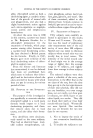
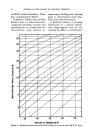
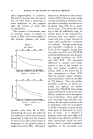
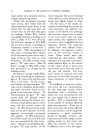
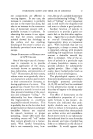
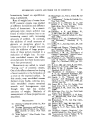
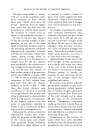
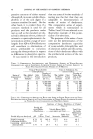
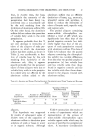
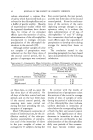
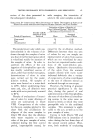
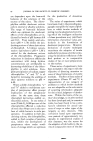
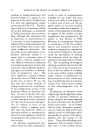
56 JOURN)kL OF THE SOCIETY OF COSMETIC CHEMISTS Discontinuances of the baths with either soap were followed by incre- ments in odor-producing capacities of perspiration coincident with rises in its bacterial population through- out the last four of the six days of the second control period. Critical analyses of the results of the two comparative experiments indicate that the inhibitory effects of the germicidal soap upon developments of odor in perspiration were opera- tive during, at least, the first three days after the bathing with the with the germicidal soap persist at significantly lower levels than do the corresponding curves in the experiments with the plain soap. Qualitatively, the results of the series of experiments summarized in Chart V are in agreement with the experiences of several in- vestigators who have utilized various modifications of the Price hand washing technique in studies of the antibacterial actions of soaps containing dihydroxy-hexachloro-di- phenyl-methane (24 and 25). --20 --40 -•o -•o -loo -I %'"-0._.9_.0 I 1 2 3, 4 5 6 DAYS OF TEST PERIOD I I I I. I 7 8 SECOND CONTROL PERIOD Chart VI.--Comparative reductions in rates of excretion of sweat and in bacterial populations of skins of axillas during and after periods of applications of an antiperspirant cream. O o a.m. and p.m. rates of excretion of sweat, [•W a.m. and p.m. cultures of cutaneous bacteria. germicidal soap had been discon- tinued. Also, within this period, re-establishments of the bacterial populations of the subjects' skins were inhibited. Thereafter, differ- ences between slopes of the two sets of curves in either chart be- come less significant. However, the curves for both odor-producing ca- pacities and bacterial populations of perspiration throughout the second control period of the experiments Chart VI summarizes a series of experiments which has been chosen to illustrate one of two procedures adaptab'le to practical evaluations of antiperspirants and deodorant prep- arations intended for topical ap- plications to cutaneous areas of the axillas. The experimental period included (a) a first control period of seven days, (b) a test period of six days, and (c) a second control period of three days.
Purchased for the exclusive use of nofirst nolast (unknown)
From: SCC Media Library & Resource Center (library.scconline.org)