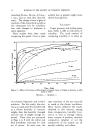
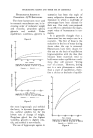
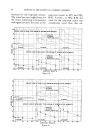
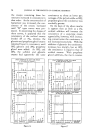
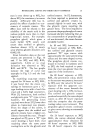
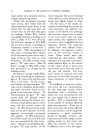
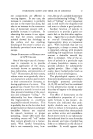
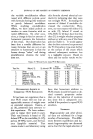
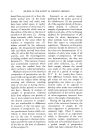
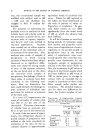
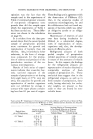
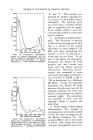
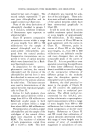
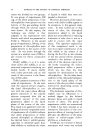
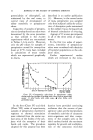
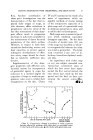
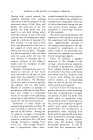
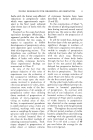
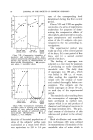
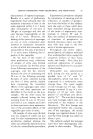
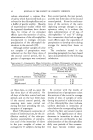
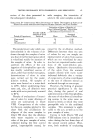
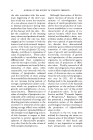
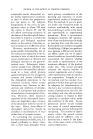
TESTING DEODORANTS WITH CHLOROPHYLL AND DERIVATIVES 59 as percentage variations from the average of either odor values of perspiration or numbers of viable bacteria on skin which were deter- mined for the subject during the first control periods. In view of the fact that the pri- mary objective of this report is the presentation and discussion of methods of testing deodorants, data for quantities of perspiration col- lected in sweating tests have been omitted from Chart VI. How- ever, a brief statement in reference to antiperspirant effect of the cream may contribute to a more compre- hensive understanding of the modes of action of the product under test. On the first day of the test period, the average reduction in quantities of perspiration excreted during one hour sweating tests was 60 per cent below the average of results of com- parable tests during the first control period. On the second day, the average reduction was increased to 75 per cent and it was sustained at the level, 4-5.1 per cent, throughout the remainder of the test period. In interpretations of the signifi- cances of the curves in Chart VI, it should be borne in mind that samples collected from the two axillas of any one subject were combined in tests of the capacities of perspiration to develop offensive odors. Also, sums of the numbers of viable bacteria cultured from two areas in each of two axillas were recorded as representative of the bacterial populations of skin. In other words, the sum of the areas of the axillary skin from which bacteria were sampled was 53.2 sq. cm., or about 35 per cent of the average total cutaneous surface of the two axillas of any one subject. The summary of the experimental results in the Chart presents definite evidence that topical applications of the antiperspirant and deodorant cream do inhibit effectively the capacities of samples of perspiration, collected from the treated axillas in response to thermal stimulation• to produce offensive odors. More- over, the curve representing aver- age results gives indications of cumulative reductions from day to day during the test period. No significant differences were demonstrable between the results of the morning sweating tests and those of tests carried out during afternoons of the test period. For all morning tests on 15 subjects (total = 90), the mean result was a reduction of 63 4- 9.5 per cent in capacities for production of per- spiratory odors. A total of 75 p.m. sweating tests gave a mean reduction of 65 q- 8.4 per cent. Marked reductions in numbers of viable bacteria on cutaneous sur- faces of the subjects' axillas were observed following the first applica- tions of the antiperspirant and deo- dorant preparation and these reduc- tions were sustained throughout the test period. Here again, no signifi- cant differences were demonstrable between results of cultures of cuta- neous bacteria made during either mornings or afternoons of days of application of the product under test. Throughout the test period,

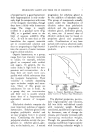
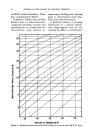
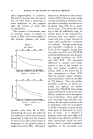
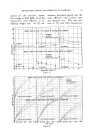
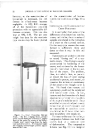
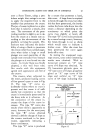
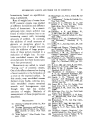
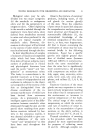
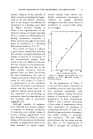
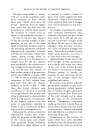
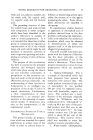
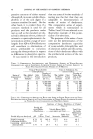
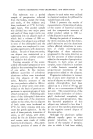
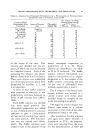
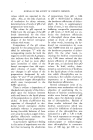
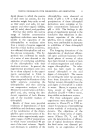
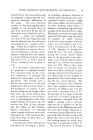
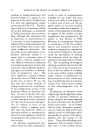
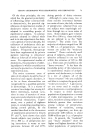
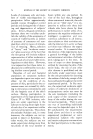
60 JOURNAL OF THE SOCIETY OF cosMETIC CHEMISTS • 70 l I I i • •. 60 ß -- I 30 -- 0 • 20 -- o// o o 1o- o I I I 2 4 6 D•YS OF FIRST CONTROL P•RIOD I I I ß •' •0•0• 0 I 2 4 4 6 DAYS OF SECOND TEST PERIOD CONTROL pERIOD Chart VII.--Comparative intensities of metabolic and perspiratory odors deter- mined in perspiration collected during control periods and periods of administration of water-soluble chlorophyllins. I perspira- tory odors, C) metabolic odors. • 70 • 010 1213141516 DAYS OF FIRST CONTROL PERIOD I DAYS OF N TEST PERIOD CONTROL PERIOD Chart VIII.--Comparative intensities of metabolic odors in morning and afternoon samples of urine collected during control periods and periods of administration of water-soluble chlorophyllins. I p.m. samples, ¸ a.m. samples. densities of bacterial populations of skins of the subjects' axillas were maintained at a mean level which was equivalent to 3.0 4- 1.4 per cent of the corresponding level determined during the first control period. Charts VII and VIII are graphic summaries of a series of experiments undertaken for purposes of deter- mining the comparative effects of chlorophyll, administered by mouth, upon perspiratory and metabolic odors of the 15 subjects who par- ticipated in the two preceding in- vestigations. The experimental period was made up of (a) a first control period of six days, (b) a test period of five days, and (c) a second control period of six days. The feeding of asparagus was adopted as a test meal for purposes of producing an easily detectable metabolic odor. The daily dose of asparagus was 186 gm., which was boiled in 100 c.c. of water. After cooling, the vegetable was mixed with the residue of water and mashed thoroughly before con- sumption. The subjects ate the boiled asparagus at about 10 a.m. on each day of the experimental period. The metabolic odor resulting from the consumption of asparagus has been attributed to methyl mer- captan which is an end product of chemical and biological reactions in the large intestines (27). The prin- cipal avenue of elimination of this odorous end product is the urinary tract. Both air-dilution and water-dilu- tion techniques (28) were utilized in measurements of intensities of the metabolic odor of urine which is
Purchased for the exclusive use of nofirst nolast (unknown)
From: SCC Media Library & Resource Center (library.scconline.org)