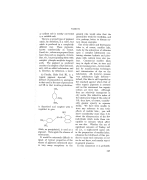
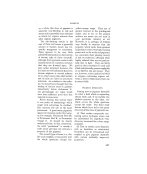
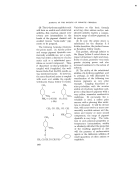
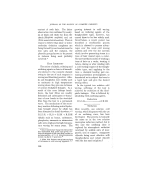
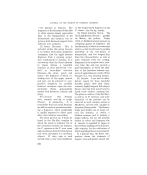
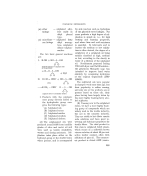
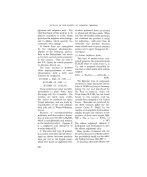
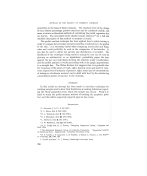
JOURNAL OF THE SOCIETY OF COSMETIC CHEMISTS The dialkyl maleate is heated with a concentrated aqueous solution of sodium bisulphite, forming the sul- pho succinat e. H 2C. COOR Hc COOR q- NailS03---+ C.COOR HC COOR SO•Na This product is known under various trade names, in the United States as Aerosol OT and in this country as Manoxol OT, etc. Amide-linked alkane sulphuric acids such as the well-known Igepon T made from oleic acid chloride with methyl taurine in aqueous alkali (sodium isethionate plus methyla- mide at 270-290 ø, 200 At.). R.COC1 + H•.C•H•SO3Na------- CH• R.CO.N.C•H•.SO3Na + HC1 I CH, Igepon KT is based on coconut fatty acid plus methyl taurine. Igepon 702K is from palm oil fatty acids. A product which was used as the active matter content of a light duty detergent in the United States is made by reacting a fatty acid chlor- ide with sulphoacetyl monoethanola- mide. The chief ether-linked alkane sul- phonates of interest in cosmetic practice are Triton 720 and Triton X200, made by Rohm and Haas. These are probably made from di- or tri-isobutene condensed with phenol, etherified with dichlorodiethyl ether and reacted with sodium sulphite. These compounds possess great acid and alkali stability. (d) Alt•yl aryl sulphonate. On a tonnage basis this is the most important group of surface-active agents, the main bulk of domestic synthetic detergents being based on this type of product, either built or unbuilt (i.e., with or without the addition of suitable filling or extend- ing agents). The lower alkyl aryl sulphonates comprise the Nekal B.X., Aerosol O.S., Nacconal A., Nansa B.X. types which are, as previously mentioned, essentially wetting agents based on butyl or isopropyl naphthalene sulphonates. The higher alkyl aryl sulphonates are based on dodecyl benzene, keryl benzene or dodecyl toluene. Keryl benzene is produced by chlorination of kerosene fractions and condensa- tion with benzene in the presence of aluminium trichloride as catalyst by the Friedel-Krafts reaction RX q-ArI-t • R-Ar q- HX. Dodecyl benzene and dodecyl toluene are prepared by similar condensation using polyisobutenes or polypropylenes. Whilst industrially these products possess many economic advantages so far they have found no major outlet in cosmetics, although occa- sionally shampoos based on alkyl aryl sulphonate are found. CATIONIC TYPES The cationic type of product can best be divided into the amine salts and quaternary ammonium com- pounds. As representative of the amine 208

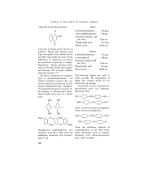
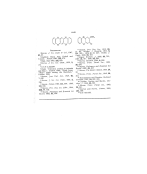
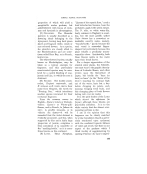
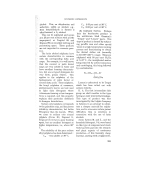
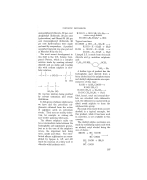
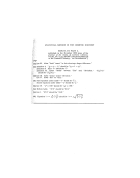
SYNTHETIC salts we have what was probably one of the first commercially avail- ' able type cationic agents, the Sapamines, made by the acyla- tion of an unsymmetrical dialkyl : ethylene diamine with a fatty acid chloride. R.CO.C1 q- H•N.C•H•.N(C•.H•)• "' ---•R.CO.NH.C:H4.NiC•Hs) • oleyl chloride being used in the Sapamines. The fatty esters of primary, secon- dary and tertiary hydroxy amines are used in the textile industry. The product Emulphor F.M. or Empilan F.M. is the mono oleate of triethanolamine, and the softening agent Soromin S.G. is prepared by reacting triethanolamine with stearic acid then treating the ester with an aqueous solution of formic acid to .give the ester salt. The F.M. type of product is an excellent water-in- oil emulsifying agent for mineral oils and has uses as a stabiliser for oil-in-water emulsions. Among the quaternary and amine salts of interest to the cosmetic chemist we have cetyl trimethyl ammonium bromide (Cetavlon) and the Velan PF series based on Steara- mide methyl pyridinium chloride. made by heating stearamide with formaldehyde and pyridine hydro- chloride. Lissolamine A or Cetavlon is cetyl trimethyl ammonium bromide. Triton X400 is lauryl dimethyl benzyl ammonium chloride. (This was introduced originally as "Zephirol," made by methylating DETERGENTS a primary amine and quaternising with benzyl chloride.) NONIONIC TYPES The main advantages of nonionic products are: (1) their relative stability to high concentration of electrolytes, (2) the degree of solubilisation conferred by polar groups is more easily controlled than is the case with ionising surface- active agents. It has been reported that one sulphate group is approximately equal in solubilising effect to 4 ethylene oxide (OCH •_CH2) groups. The main divisions of the nonionic products are the ethylene glycol polyethers and the poly-glycerol derivatives. The general formula of the ethyl- eneglycol polyethers is: R([CH •CH •O] raH)n and they are made by the condensa- tion of an insoluble compound con- taining reactive hydrogen atoms, e.g., a carboxylic acid, amine, amide or Mercaptan with the alkylene oxide according to the following reaction CH• -- CH• R.OH q- n •k// ---- 0 R--O--C2H•(OC•I•4)•OH Representative of this type of pro- duct are the Emulphor 0 types, certain Igepals and Leonils and Lissapol NX and N. Emulphor O = Sperm oil and 20 tools. Et20. Emulphor ELN = Dodecyl phenol q- 20 tools. ErgO. 209
Purchased for the exclusive use of nofirst nolast (unknown)
From: SCC Media Library & Resource Center (library.scconline.org)