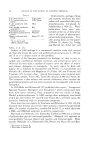
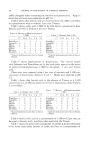
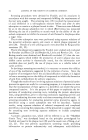
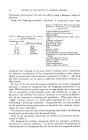
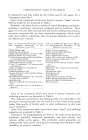
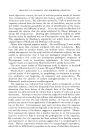
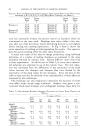
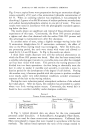
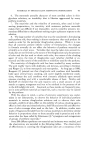
440 JOURNAL OF THE SOCIETY OF COSMETIC CHEMISTS TABLE 5--CouvotrNDS POSSESSING GOOD ACID INHIBITORY PROPERTIES IN THE MODI- FIED CASEIN TEST Chlortetracycline HC1 (Aureomycin HC1) Chloramphenicol (Chloromycetin) Oxytetracycline HC1 (Terramycin HC1) Bacitracin Penicillin G, Potassium Penicillin O, Potassium Gramicidin Sodium N-lauroyl sarcosinate Sodium di-(2-ethylhexyl) phosphate 1,6-Di-4'-chlorophenyl diguanidinohexane di- acetate Bis-(•-hydroxyethyl) amino propyl tallow amide TABI,E 6--COMPOUNDS POSSESSING EXCEL- LENT ACID INHIBITORY PROPERTIES IN THE MODIFIED CASEIN TEST Tyrothricin Subtilin Erythromycin 1,3-Diethyl-2-dodecyl thiouronium bromide Some of the compounds which were found to have excellent acid inhibi- tory properties are presented in Table 6. Compounds rated "moderate, .... good" or "excellent" were selected for further evaluation in dentifrices. Obvious physical incompatibilities such as separation, discoloration, etc., were simple to detect. Inactivation of the compound in the presence of moisture, such as that found with penicillin was detected by analysis of aged samples. A more insidious inactivation is one in which analysis revealed the presence of the compound in the denti- frice and yet the dentifrice containing the compound had no activity in protein adsorption tests. Obviously, such information is vital before clinical testing of a potential anticaries dentifrice is initiated. An obvious example of inactivation without decomposition is the addition of a quater- nary compound to a dentifrice containing an anionic detergent. In the case of some of the compounds listed in the foregoing tables, the inactivation by other dentifrice ingredients is not so obvious. As an example, though sodium N-lauroyl sarcosinate is a "good" inhibitor of acid, a dentifrice containing 2 per cent of this compound in a base consisting of dicalcium phosphate dihydrate and chalk is ineffective in inhibiting acid production in the Modified Casein Test. All of the agents evaluated in dentifrices have shown some degree of in- activation depending upon the polishing agent used and other ingredients present. In some instances, methods were found to overcome a large part of this inactivation. An example of this is the case of the antibiotic, tyro- thricin (26). As indicated above, tyrothricin is an "excellent" inhibitor of acid formation in the Modified Casein Test. Yet literature reports (27, 28) have indicated that tyrothricin dentifrices are ineffective in reducing hamster caries and in reducing human lactobacillus counts. The polishing agent used in one of these dentifrices was stated to be dicalcium phosphate but the polishing agent used in the other study was not described. The results of an evaluation in Modified Casein Tests of tyrothricin in the pres-

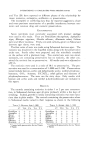
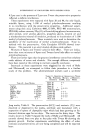
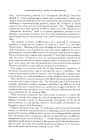
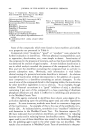
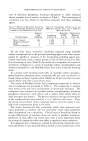
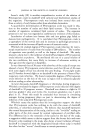
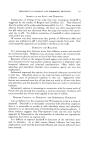
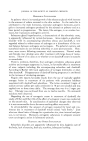
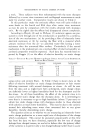
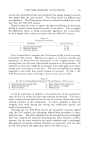
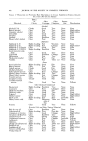
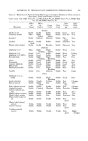
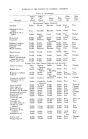
CARlES-PREVENTIVE AGENTS IN DENTIFRICES 441 ence of dicalcium phosphate, tricalcium phosphate or chalk indicated almost complete loss of activity as shown in Table 7. The inactivation of tyrothricin was also evident in dentifrices prepared with these polishing agents. TABLE 7--EFFECT OF POLISHING AGENTS ON THE ACID INHIBITORY PROPERTIES OF TYRO- THRICIN IN THE MODIFIED CASEIN TEST TABLE 8--COMPARISON OF RESULTS OF THE MODIFIED CASEIN TEST AND A HAMSTER BRUSHING STUDY Relative Reduction Reduction in Acid Tyrothricin in MC Hamster Polishing Agent Inhibition in Paste, % Test, % Caries, % None--Control 100 0. 050 70 25.6 Dicalcium phosphate 9 0. 025 60 17.8 Chalk 2 0.010 37 15.2 Tricalcium phosphate 0 On the other hand, tyrothricin dentifrices prepared using insoluble sodium metaphosphate as the principal polishing agent even when accom- panied by significant amounts of the inactivating polishing agents pre- viously mentioned retain a major portion of the tyrothricin activity (26). It is interesting to note (Table 8) the results of a comparison of a series of tyrothricin toothpastes in a base of insoluble sodium metaphosphate and dicalcium phosphate in the Modified Casein Test and in a hamster brushing study. In a clinical tooth brushing study (29), an insoluble sodium metaphos- phate-dicalcium phosphate paste containing 0.05 per cent tyrothricin re- duced carious surfaces in grade school children by 36 per cent after one year and by 26 per cent after a total of two years. The results of Modified Casein Tests comparing compounds in solution and in toothpastes are presented in Table 9. The compounds in solution were tested at 0.1 per cent concentration as previously indicated. The toothpaste base consisted of insoluble sodium metaphosphate, dicalcium phosphate, humectant, water, flavor and a sodium alkyl sulfate when no other detergent was present. The pastes contained varying concentrations of the compounds but were tested at a 1 to I dilution with water. Thus, the actual concentration of the compound used to treat the casein is one- half of the concentration given in the table. The results demonstrate that compounds which show potential anti- caries properties in solution will not necessarily retain these properties when incorporated into a dentifrice. Clinical tests of dentifrices based on in vitro effectiveness of solutions alone can result in needless wasted ex- penditures of time, effort and money and, what is more important, delay the testing of compounds which may effect a significant caries reduction. It is apparent that a laboratory method for pretesting of potential anti- caries dentifrices is very desirable before clinical or even animal tests of the
Purchased for the exclusive use of nofirst nolast (unknown)
From: SCC Media Library & Resource Center (library.scconline.org)