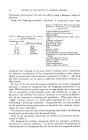
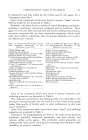
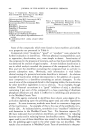
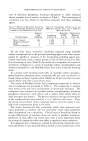
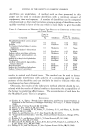
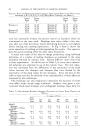
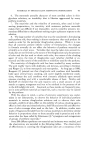
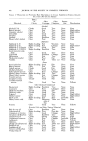
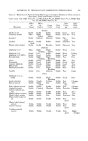
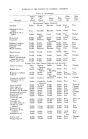
INTERFERENCE OF EMULSIFIERS WITH PRESERVATIVES 427 (8) Lazarus, N., Proc. 40th Meeting Chem. Specialties Mfg. Assoc., Dec. (1953). (9) Gershenfeld, L., 31st Meeting Chem. Specialties Mfg. Assoc., Dec. (1954). (10) Gershenfeld, L., 41st Meeting Chem. Specialties Mfg. Assoc., May (1955). (11) Bartlett, P., Modern Sanitation, 8, 20 (1956). (12) Rice, R. V., and Beal, G. D., U.S. Patent No. 2,211,837. (13) Kritchevsky, W., U.S. Patent No. 2,153,762. (14) Haller, R., and Holl, F. W., Melliand Textilber., 17, 493 (1936). (15) Blackburn, S., and Phillips, H., 3. Soc. Dyers Colourists, 61, 100 (1945). (16) McQueen, D. M., U.S. Patent No. 2,406,958. (17) Lincoln, P. A., "Cosmetic Applications of Quaternary Ammonium Compounds," Milton Industrial Chemicals (London), Ltd. (18) Botwright, W. E., 3. $oc. Cosmetic Chem., 3, 118 (1952). (19) Hopkins, J. G., Fisher, J. K., Hillegas, A. B., Ledin, R. G., Rebell, G. C., and Camp, E., 3. Investigative Dermatol., 7, 239 (1946). (20) Hillegas, A. B., and Camp, E., Ibid., 6, 217 (1945). (21) Mitchell, J. H., Med. Clinics N..4ruer., 32, 283 (1948). (22) Robinson, H. M., /lrch. Dermatol. and Syphilol., 57, 991 (1948). (23) Maynard, M., Ibid., 34, 268 (1936). (24) Cernea, R., Z. Haut- u. Geschlechlskrankh., 14, 325 (1953). (25) Livingood, C. S., and Pillsbury, D. M., 3. Investigative Dermatol., 4, 43 (1941). (26) Kral, F., 3..aim. Vet. Med..4ssoc., 127, 395 (1955). (27) Kral, F., personal communication. (23) Draize, J. H., Food Drug Cosmetic Law ?ourhal, 10, 722 (1955). (29) Spector, W. S., "Handbook of Toxicology," Vol. I, Philadelphia, W. B. Saunders Company (1956), p. 4. (30) "Iodine Content of Food," London, Chilean Iodine Educational Bureau (1952). THE INTERFERENCE OF NONIONIC EMULSIFIERS WITH PRESERVATIVES. II* By M. G. DENAVARRE and HAROLD E. BAILEY, PH.D. In the past decade or so nonionic compounds have become impor- tant bases, surfactants, solubilizers or emulsifiers. There is a considerable literature on their application to drug and cosmetic formulation (1). Table 1 shows the principal types of nonionic surfactants available today with some equivalent trade names. Products made with nonionics are generally stable between pH 4.0 and 9.0, depending somewhat on the com- position and the nonionic used. Two nonionics are often used in one product. Thus, Spans and Tweens or Myrj 52 and Tween 60 may be used together. Furthermore, finished products containing water must be preserved. The p-hydroxybenzoates are the usual preservatives added. * Presented at the American Pharmaceutical Association Convention, April 12, 1956, De- troit, Mich. Based in part upon a thesis to be submitted by M. G. deNavarre to the Graduate School of Wayne University in partial fulfillment of the requirements for the degree Master of Science.

INTERFERENCE OF EMULSIFIERS WITH PRESERVATIVES 427 (8) Lazarus, N., Proc. 40th Meeting Chem. Specialties Mfg. Assoc., Dec. (1953). (9) Gershenfeld, L., 31st Meeting Chem. Specialties Mfg. Assoc., Dec. (1954). (10) Gershenfeld, L., 41st Meeting Chem. Specialties Mfg. Assoc., May (1955). (11) Bartlett, P., Modern Sanitation, 8, 20 (1956). (12) Rice, R. V., and Beal, G. D., U.S. Patent No. 2,211,837. (13) Kritchevsky, W., U.S. Patent No. 2,153,762. (14) Haller, R., and Holl, F. W., Melliand Textilber., 17, 493 (1936). (15) Blackburn, S., and Phillips, H., 3. Soc. Dyers Colourists, 61, 100 (1945). (16) McQueen, D. M., U.S. Patent No. 2,406,958. (17) Lincoln, P. A., "Cosmetic Applications of Quaternary Ammonium Compounds," Milton Industrial Chemicals (London), Ltd. (18) Botwright, W. E., 3. $oc. Cosmetic Chem., 3, 118 (1952). (19) Hopkins, J. G., Fisher, J. K., Hillegas, A. B., Ledin, R. G., Rebell, G. C., and Camp, E., 3. Investigative Dermatol., 7, 239 (1946). (20) Hillegas, A. B., and Camp, E., Ibid., 6, 217 (1945). (21) Mitchell, J. H., Med. Clinics N..4ruer., 32, 283 (1948). (22) Robinson, H. M., /lrch. Dermatol. and Syphilol., 57, 991 (1948). (23) Maynard, M., Ibid., 34, 268 (1936). (24) Cernea, R., Z. Haut- u. Geschlechlskrankh., 14, 325 (1953). (25) Livingood, C. S., and Pillsbury, D. M., 3. Investigative Dermatol., 4, 43 (1941). (26) Kral, F., 3..aim. Vet. Med..4ssoc., 127, 395 (1955). (27) Kral, F., personal communication. (23) Draize, J. H., Food Drug Cosmetic Law ?ourhal, 10, 722 (1955). (29) Spector, W. S., "Handbook of Toxicology," Vol. I, Philadelphia, W. B. Saunders Company (1956), p. 4. (30) "Iodine Content of Food," London, Chilean Iodine Educational Bureau (1952). THE INTERFERENCE OF NONIONIC EMULSIFIERS WITH PRESERVATIVES. II* By M. G. DENAVARRE and HAROLD E. BAILEY, PH.D. In the past decade or so nonionic compounds have become impor- tant bases, surfactants, solubilizers or emulsifiers. There is a considerable literature on their application to drug and cosmetic formulation (1). Table 1 shows the principal types of nonionic surfactants available today with some equivalent trade names. Products made with nonionics are generally stable between pH 4.0 and 9.0, depending somewhat on the com- position and the nonionic used. Two nonionics are often used in one product. Thus, Spans and Tweens or Myrj 52 and Tween 60 may be used together. Furthermore, finished products containing water must be preserved. The p-hydroxybenzoates are the usual preservatives added. * Presented at the American Pharmaceutical Association Convention, April 12, 1956, De- troit, Mich. Based in part upon a thesis to be submitted by M. G. deNavarre to the Graduate School of Wayne University in partial fulfillment of the requirements for the degree Master of Science.
Purchased for the exclusive use of nofirst nolast (unknown)
From: SCC Media Library & Resource Center (library.scconline.org)