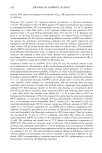
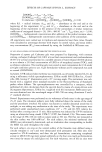
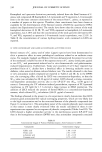
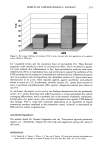
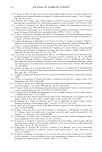
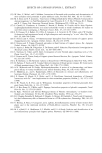
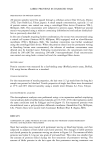
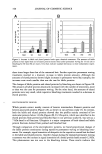
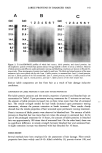
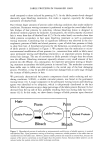
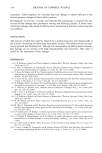
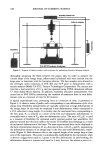
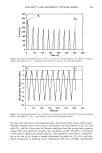
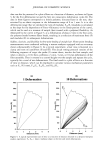
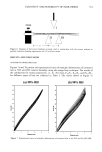
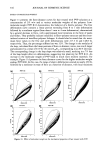
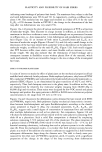
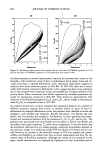
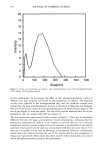
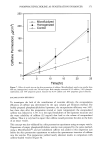
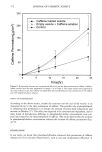
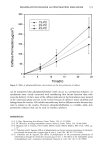
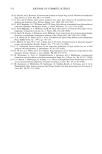
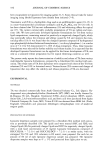
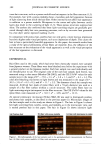
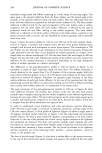
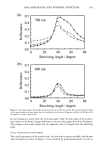
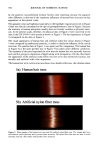
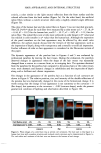
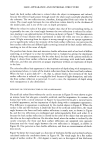
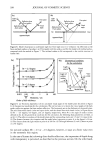
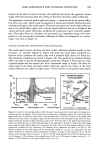
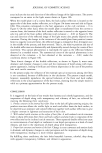
340 JOURNAL OF COSMETIC SCIENCE A 5 4.5 4 3.5 2.5 1.5 1 0.5 0 Cont 1st 2nd 3rd B Oont 1st 2nd 3rd Figure 1. Increase in labile and eluted protein levels upon chemical treatments. The amounts of labile proteins in hair (open box) and of eluted proteins (closed box) under permanent waving for 15 min (A) or bleaching for 60 min (B) are shown. Error bars indicate standard derivation in three independent experi- ments. three times larger than that of the untreated hair. Further repetitive permanent waving treatments resulted in a dramatic increase in labile protein amounts. Although the amounts of eluted proteins showed slight increases in permanent waved hair samples, the increases were much smaller than was the case for labile proteins. The changes of labile proteins and eluted proteins by bleaching are shown in Figure lB. The amounts of labile proteins drastically increased with the number of treatments, more so than was the cases for permanent waving. On the other hand, the amounts of eluted proteins were very small, while repetitive bleaching treatments resulted in a decrease in eluted proteins. ELECTROPHORETIC PROFILES Whole protein extract mainly consists of keratin intermediate filament proteins and keratin-associated proteins (Figure 2A), as shown in our previous study (3). In contrast, both the labile and eluted proteins showed that the profiles mainly consisted of low molecular proteins below 14 kDa (Figure 2B, C). Ubiquitin, which was identified in the eluted proteins from permed and bleached hair in our previous study (4), was seen as a 7 kDa band in all fractions. Ubiquitin is a major component of both eluted and labile protein fractions derived from permed and bleached hair. Through comparison of the electrophoretic patterns, we found proportional changes of the labile protein constituents during repetitive permanent waving or bleaching treat- ments. For example, signal intensities of ubiquitin in the repetitive treated hair declined in the labile and eluted proteins. Another change during the repeated permanent waving treatments was the increase in signal intensities of a broad protein band around 6.2 kDa. This phenomenon was not seen in the bleaching lotions. These results indicate that

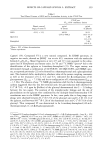
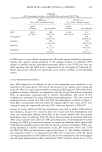
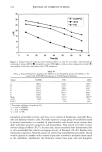
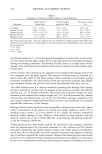
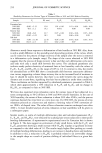
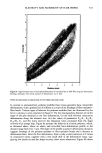
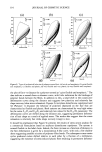
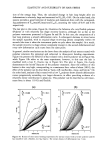
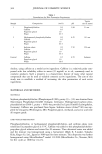
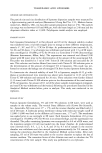
LABILE PROTEINS IN DAMAGED HAIR 341 A (kD) 45.0 31.0 - (kD) 45.0 31.0 B (kD) 1234567 1 - 45.0 - - 31.0 - c 234567 21.5 21.5 - 21.5 - 14.4 14.4 10.7 10.7 8.2 8.2 6.2 6.2 14.4 _" • 10.7 _ . 8.2 .. 6.2- ' Figure 2. Tricine/SDS/PAGE profiles of whole hair extract, labile proteins, and eluted proteins. An electrophoretic pattern of whole hair protein extract (10 lag loaded) is shown in (A) as a reference. Patterns of labile proteins and effluents under permanent waving and bleaching conditions are shown in (B) and (C), respectively. Three micrograms of protein was loaded in each lane. The labile and eluted proteins of the same treatment cycles were placed side by side. Lane 1, labile proteins in untreated hair. Lane 2, eluted proteins, and lane 3, labile proteins of the first treated hair. Lane 4, eluted proteins, and lane 5, labile proteins of the second treated hair. Lane 6, eluted proteins, and lane 7, labile proteins of the third treated hair. distinct labile components are lost from hair as a result of hair damage inductive conditions. COMPARISON OF LABILE PROTEINS IN HAIR AND TENSILE PROPERTIES The labile protein amounts and the tensile properties of permed and bleached hair are summarized in Table I. Upon permanent waving treatments for 15 minutes to one hour, the amount of labile proteins increased two to three times more than that of untreated hair. The tensile strength needed for hair break decreased upon permanent waving treatments, whereas the percent extension at break increased. These results clearly showed that the tensile properties of hair worsened upon permanent waving treatment. Drastic increases of labile protein were observed in bleached hair. The amount of labile proteins in bleached hair was more than ten times the amount in untreated hair. In the case of the prolonged treatment for 16 hours, the amount of labile proteins in bleached hair was approximately 200 times that of untreated hair. On the other hand, there was no significant difference in tensile strength between bleached hair and untreated hair. A slight extension increase was observed with hair bleached for 16 hours. DISCUSSION Several methods have been employed for the assessment of hair damage. Fiber tensile properties have been widely used (6-8). Alkali solubility (9), protein elution (10), and
Purchased for the exclusive use of nofirst nolast (unknown)
From: SCC Media Library & Resource Center (library.scconline.org)