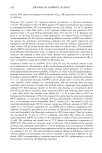
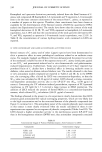
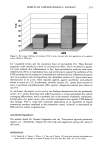
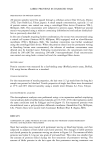
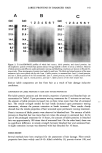
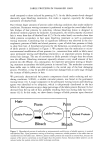
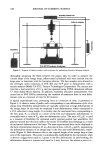
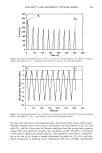
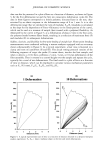
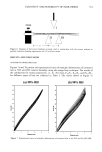
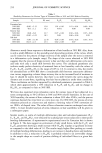
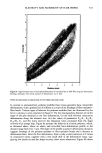
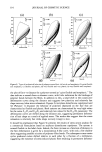
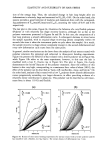
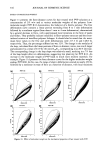
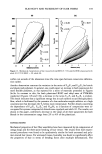
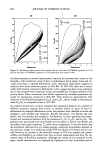
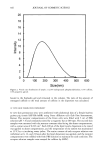
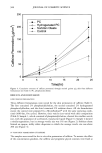
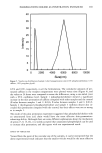
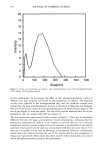
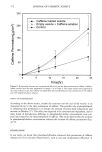
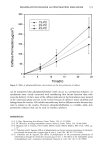
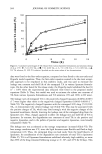
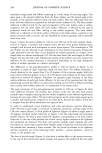
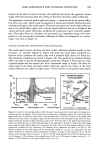
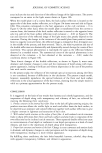
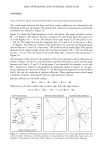
PHOSPHATIDYLCHOLINE AS PENETRATION ENHANCER 367 20 18 16 14 12 c::: lO c:: 8 6 4 2 0 I 0 100 200 300 400 500 600 Size(nm) Figure 3. Vesicle size distribution of sample 3 (2.0% sorbJtan oleate, 0.5% caffeine, 10% propylene glycol). Three different sets of skin permeation experiments were performed in this study. In the first set, the skin-permeation-enhancing effects of phosphatidylcholine, hydrogenated phosphatidylcholine, and sorbitan oleate were compared (Figure 4). The second set was organized to reveal the effects of the vesicle size (Figure 7) and the encapsulation efficiency (Figure 8). The concentration effect ofphosphatidylcholine was investigated in the third set (Figure 9). HPLC ASSAY All samples were filtered with a 13-mm disk filter (pore size 0.45 pm) before injection. The analysis was performed with an Agilent 1100 series (Agilent Technologies) equipped with a diode array detector. A Zorbax SB-C 18 (Agilent Technologies) column was used for the stationary phase, and the mobile phase was a mixture of 60% methanol, 39% water, and 1% acetic acid at a flow rate of 0.8 ml/min. Caffeine was detected at a wavelength of 272 nm.

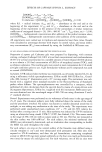
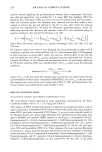
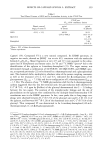
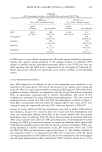
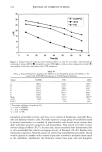
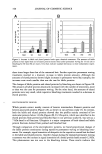
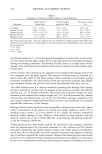
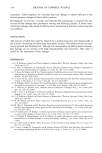
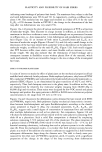
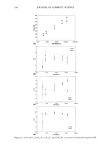
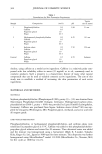
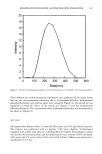
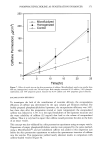
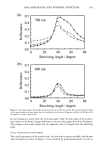
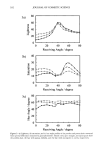
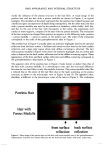
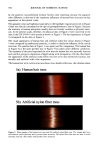
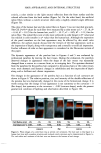
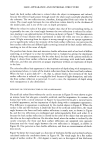
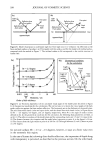
368 JOURNAL OF COSMETIC SCIENCE 250 • 200 E o 15o E D_ 100 o• 50 PC Hydrogenated PC Sorbitan Oleate Control i i I 0 5 10 15 20 25 Time(hr) Figure 4. Cumulative amounts of caffeine permeated through excised guinea pig skin from different formulations (see Table I). PC, phosphatidylcholine. RESULTS AND DISCUSSION LIPID VESICLE PREPARATION Three different formulations were tested for the skin permeation of caffeine (Table I). The first contained 2% phosphatidylcholine, the second contained 2% hydrogenated phosphatidylcholine, and the third contained 2% sorbitan oleate. All the formulations except the control were prepared by a Microfiuidizer © with the same operating condi- tions (1000 bar, five cycles). However, their vesicle sizes varied with their composition (Table I). Sample 1, which consisted of phosphatidylcholine, showed the smallest vesicle size, with the appearance of a yellowish, translucent liquid (Figure 1). Sample 2 showed a similar appearance, but its average vesicle size was 141 nm (Figure 2). Sorbitan oleate formed an opaque, milky white dispersion in which the average vesicle size was above 200 nm (Figure 3). IN VITRO SKIN PERMEATION OF CAFFEINE The samples were tested for the in vitro skin permeation of caffeine. To remove the effect of the concentration gradient, the caffeine and propylene glycol contents were fixed at
Purchased for the exclusive use of nofirst nolast (unknown)
From: SCC Media Library & Resource Center (library.scconline.org)