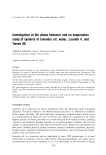
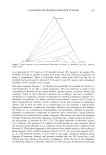
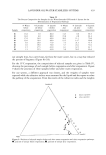
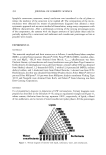
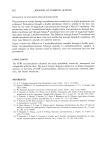
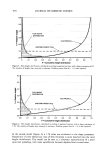
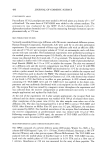
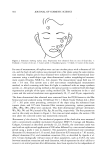
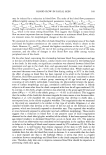
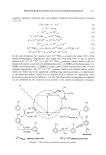
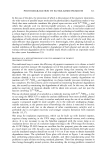
PHOTODEGRADATION BY RUTILE-BASED PIGMENTS 517 a generic (aromatic) molecule that can undergo oxidation and hydroxylation reactions (2,11,12): TiO 2 + hv -- e- + h + (3) e- + h + -- heat e- - TiIVsurf-- TinIsurf h + + TiIV-OH-surf • TiIV-øOHsurf h + + TiIV_O2_Ti•V __. TiIV_o-ø_TiIV Timsurf q- 02 --- TilVsurf + 02 -ø TiIV-øOHs•,ff + S + H20 --- TiIV-OH-s•,ff + Sø-OH + H + TiIV-o-ø-TilV + S --- TilV-o2--TiIV + S +ø (4) (5) (6) (7) (8) (9) (lO) In the case of phenol, the reaction with TiIV-øOHsurf accounts for about 90% of the overall photocatalytic degradation rate, while the remaining 10% is due to phenol oxidation by Ti•v-o-ø-Ti TM (13). The TiIV-øOHsurf pathway mainly leads to the hy- droxylated products catechol (1,2-dihydroxybenzene, 1,2-DHB) and hydroquinone (1,4- DHB), and to resorcinol (1,3-DHB) at a lesser extent. These intermediates will, in turn, undergo degradation. The TiIV-o-ø-TiIV pathway leads to the phenol radical cation, which can either react with superoxide, yielding ring-opening products, or deprotonate to the phenoxyl radical, which can be reduced back to phenol by superoxide. Such processes are summarized in Scheme 1 (16,18). The photocatalytic degradation of phenol can be inhibited by the addition of an alcohol to the system (2-propanol, t-butanol, hv ••'H• :Ti Iv • h• TilV_o2-_T•• • OH OH o I[ + )1 OH ' TilV•OHsu½ pat•ay (major one) TilV_o-'_•IV pat•ay (minor o•) Scheme 1. Photocatalytic degradation pathways for phenol.

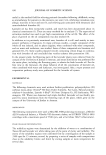
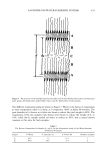
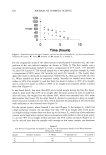
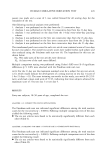
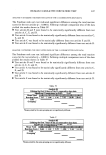
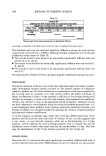
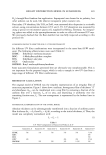
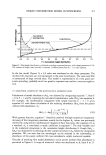
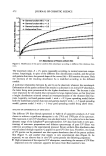
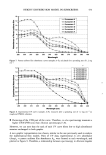
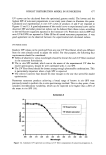
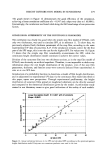
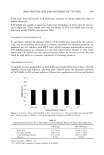
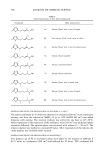
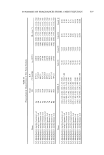
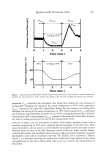
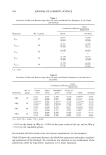
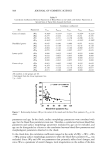
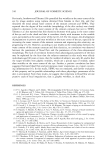
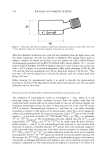
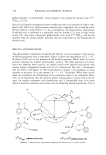
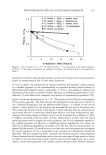
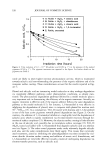
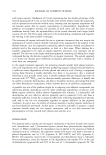
518 JOURNAL OF COSMETIC SCIENCE furfuryl alcohol, 1,3-butanediol), which competes with phenol for reaction with Ti •v- 'OHsur• (15,16). Salicylic acid mainly undergoes electron-transfer reactions via formation of surface com- plexes with Ti(IV) ions. Hydroxylation reactions play a negligible role, at least for acidic pH (see Scheme 2 and reference 17). As a consequence, the photocatalytic degradation of salicylic acid is inhibited at a negligible level by alcohols (17), even in large molar excess (15), since these compounds preferentially react with Ti•v-'OHsurf and do not interfere with the charge-transfer processes that are responsible for the degradation of salicylic acid. RESULTS AND DISCUSSION The photocatalytic degradation of phenol and salicylic acid was assessed in the presence of different pigments used as sunscreens. Figure 2 reports the degradation of 5.3 x 10 -4 M phenol (0.050 g/l) in the presence of the studied pigments. Naked rutile (E) is the pigment showing the highest photocatalytic activity. The other pigments, all rutlie- based and showing lower activity, are surface-coated with alumina and treated with various organic compounds [stearic acid (A, C), dimethicone (B), and 1,3-butanediol (D) see Table I and Figure 2]. The results shown in Figure 2 are analogous to those reported in reference 14 in the presence of 1.1 x 10 3 M phenol. When these results alone are considered, the effectiveness of the treatments seems to be confirmed. More- over, in the hypothesis that the alumina surface coating plays a similar role in all the cases, the organic treatments with dimethicone and 1,3-butanediol seem to be more effective than the treatments with stearic acid in inhibiting phenol degradation. This is TilV'OHsurf pathway (minor one) 'rilV-o-'-'l'ilV pathway (major one) Scheme 2. Photocatalytic degradation pathways for salicylic acid in acidic solution.
Purchased for the exclusive use of nofirst nolast (unknown)
From: SCC Media Library & Resource Center (library.scconline.org)