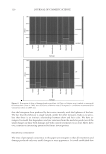
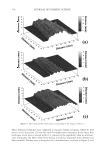
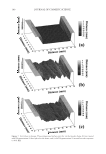
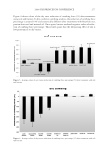
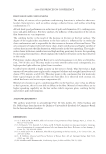
JOURNAL OF COSMETIC SCIENCE 218 the most signifi cant factor in the removal of hair color, while UV exposure has a signifi - cant impact only after 90 hours of intense irradiation (1). Though the hair color fading mechanism associated with the shampoo process is not yet well understood, there are some main factors attributed to fading. One is the dye solubil- ity in water. Most dyes used on hair are water soluble. Shampoo removal rate of dye is related to dye solubility. Dye solubility is related to dye structure and usually binuclear dyes are more soluble. Color fading is especially pronounced with red dye because it is more water soluble and is removed to a greater extent during washes, resulting in shade changes. In addition, the degree of hair damage has a signifi cant contribution to color fading through wash-out. Damaged hair is more porous which allows the dye molecules to leak out easily during the washing process. Therefore, bleached hair fades much faster than non-bleached hair because bleached hair is damaged with loss of F-layer protection and larger pore sizes on cuticle cells. Besides the pores on cuticle cells, the CMC and cor- tex swell with water, providing additional channels for dye to leach out. The surfactants in shampoo and conditioner products provide wetting function and bring moisture into the hair shaft which facilitates the dye molecules to come out with the water during washing. Although off and on-shade fading occurs during washing process, off shade fad- ing is much more objectionable by the consumer. Consumers want to maintain the vibrancy of the color until the next oxidative process. This translates to protecting hair color from fading for up to six weeks when color will need to be refreshed as noticeable re-growth will need to be colored. Meeting this con- sumer need continues to be a signifi cant challenge to the cosmetic industry. Color protec- tion is now considered to be an important area in hair care market (2–4). For the last couple of years, products for hair color protection have grown signifi cantly with over 170 color care products launched to the market globally (5). The majority of these products are in the form of shampoo and conditioners. Some of them use silicones which form a hydrophobic fi lm on the hair surface to protect color and there are several studies which have claimed the color retention effect by using this approach (1,6). The primary objective of our research was to understand the physicochemical factors af- fecting shampoo-caused off-shade fading and develop approaches that provide measur- able and consumer perceivable protection against color loss during shampoo washing of dyed hair. Our focus was to prevent color stripping of permanent, level 3, oxidative dye treated hair, as this comprises the majority of the professional and mass market formula- tions. To accomplish this objective, new methodologies for evaluating hair color change were developed and these methods and measurements were linked to consumer perceiv- able changes in hair color. With these methods, various types of polymers were tested for their effect on reducing hair color fading. An effective hair color protection treatment regimen containing a hydrophobically modifi ed cationic polymer was developed (patent pending). MATERIALS AND METHODS POLYMERS AND SURFACTANTS Polyquaternium-55 (Styleze W-20®) and other polymers tested in the dyed hair soaking tests, un- less specifi ed, were supplied by International Specialty Products (ISP). Alky hydroxy ethyl cellu- lose was supplied by Hercules. Quaternary salt of hydroxy ethyl cellulose was supplied by Rita.

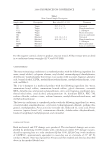
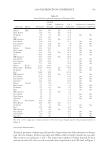
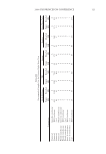
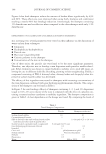
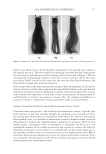
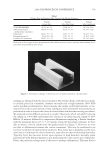
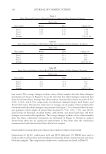
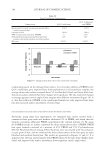
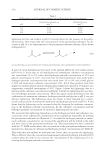
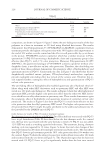
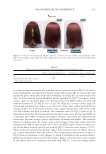
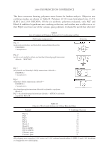
2008 TRI/PRINCETON CONFERENCE 219 Alkyl–HEC quaternary salt was supplied by Amerchol. Sodium lauryl either sulfate (SLES, Rho- dapex ES-2) was supplied by Rhodia. Centrimonium chloride (CETAC) was supplied by Stepan. Coco trimonium chloride (Arquard C-33 W) was supplied by Akzo Nobel. HAIR SAMPLES Bleached hair, grey hair and piedmont hair samples were purchased from International Hair Importers. Each hair tress is 1.5 wide, 3.5 g in weight, and 6.5 in length of loose hair. The hair tresses are dyed using commercial hair dye products for subsequent mul- tiple shampoo washing tests and soaking tests. HAIR DYE AND PREPARATION OF DYED HAIR TRESSES Hair samples were dyed with commercial two-component, permanent, level 3 oxidative hair dye formulations having shades of intense red, dark brown, and deep red. Each hair tress was treated with a mixture of 7 g of hair dye base and 7 g of developer lotion. The hair tresses were dyed one hour and 10 minutes and covered with aluminum foil at room temperature. After dying, hair tresses were rinsed under running tap water for 2 minutes which was enough to extract the surface residual dye from the hair. The dyed hair tresses were dried in air at room temperature for 24 hours before they were used for color fading and fastness tests. The primary dyes and couplers of the commercial permanent hair dyes used in this study to treat hair tresses and mannequin designated as Gabrielle are listed in Table I. The ingredients of another commercial two parts, permanent hair dye (ruby red color) used for mannequin designated as Dephne in hair salon test are as follows: aqua/water, trideceth-2 carboxamide MEA, propylene glycol, hexylene glycol, PEG-2 oleamine, polyglyceryl-4 oleyl ether, oleyl alcohol, alcohol denat., ammonium hydroxide, polyglyceryl-2 oleyl ether, oleic acid, sodium diethylaminopropyl cocoaspartamide, 4-amino-2-hydroxytoluene, pentasodium pentetate, parfum/fragrance, ammonium acetate, p-aminophenol, sodium metabisulfi te, p-phenylenediamine, erythorbic acid, phenyl methyl pyrazolone, 2-methyl- 5-hydroxyethylaminophenol, 6-hydroxyindole, resorcinol, F.I.L. #D9617/1. The hair dye used for dying hair samples which are used in FTIR image analysis is bur- gundy color and its ingredient labels are as follows: water, C12-15 Pareth-3, Oleth-10, Table I Primary Dyes and Couplers in the Level-3 Oxidative Permanent Commercial Dye Formulations Used in This Study Color of hair dye Primary dye Coupler Intense red 1-Hydroxyethyl 4,5-diamino pyrazole sulfate m-Aminophenol Deep red 1-Hydroxyethyl 4,5-diamino pyrazole sulfate P-phenylene diamine (PPD) P-aminophenol (PAD) 1-Naphthol Resorcinol Dark brown P-phenylene diamine (PPD) N,N, Bisc(2-hydroxy ethyl) PPD sulfate P-aminophenol (PAP) 1-Naphthol Resorcinol m-Aminophenol
Purchased for the exclusive use of nofirst nolast (unknown)
From: SCC Media Library & Resource Center (library.scconline.org)