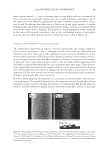
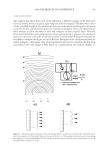
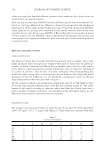
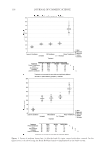
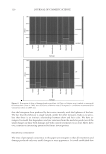
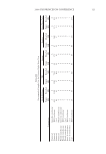
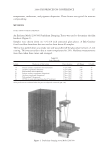
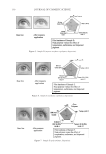
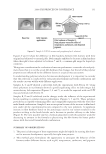
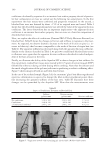
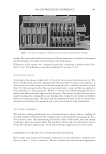
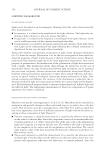
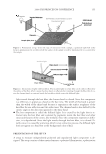
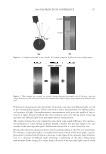
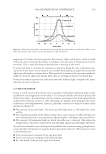
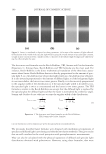
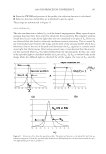
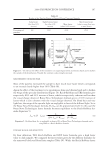
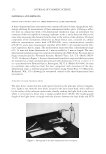
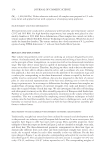
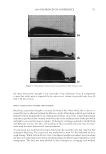
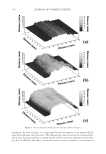
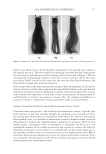
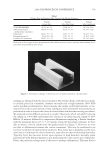
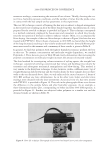
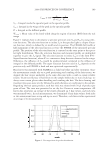
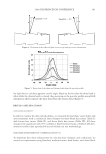
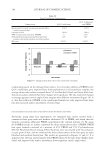
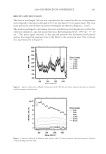
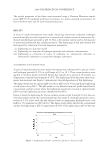
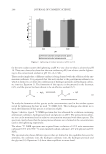
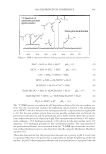
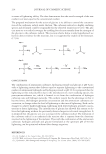
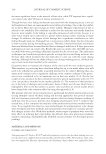
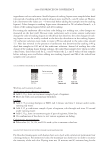
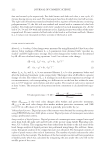
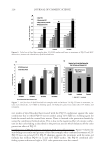
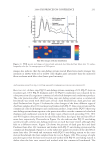
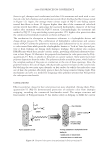
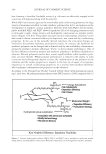
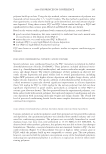
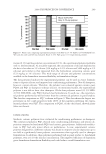
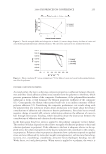
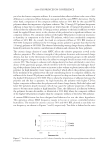
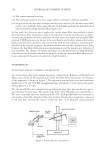
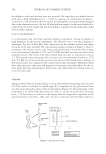
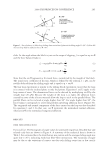
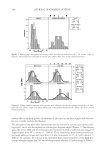
2008 TRI/PRINCETON CONFERENCE 265 slide. At the angle where the block is just on the verge of slipping, fs is equal to mg sin θ and the force balance leads to: f mg fs m g s − = ⇒ = sin sin θ θ 0 (1) N mgcos N mg − = ⇒ = cos θ θ 0 (2) Note that the sin θ represents a frictional force, normalized by the weight of the block. The usual static coeffi cient of friction, which is defi ned by the relation fs = μN, can be readily deduced from the sliding angle and is equal to μ = tan θ. The hair loop experiment is similar to the sliding block experiment except that the loop is in contact with the inclined plane at only four points. Equations 1 and 2 apply to the loop center of mass. The dimensional force can be derived by multiplying sin θ by the weight loop (20 μN). Because the weight of the loop is so light, the adhesion forces created by some of the silicone material allow the loop to stick to the parallel fi bers. The parallel fi bers can be inclined at angle higher than 90°. For angle higher than 90°, the force balance corresponds to a free fall problem involving adhesion forces (Figure 3b). The tangential and normal component of the force exerted on the loop are also described by equations 1 and 2. In that case, cos θ represents the normalized normal adhesion, whereas sin θ is the normalized tangential adhesion. RESULTS FIBER–FIBER INTERACTIONS Untreated hair. The histograms of angle values for untreated virgin hair, bleached hair and relaxed curly hair are shown in Figure 4. A summary of the analytical data is shown in Table I. For untreated hair, the distribution was narrow and the average sliding angle was quite low (~26°), indicating weak hair fi ber–fi ber interactions. The variations of angle may be due to the variations of contact area for each sliding event (one or few cuticle Figure 3. Force balance. (a) Hair loop sliding down an inclined plane with sliding angle θ 90°. (b) Free fall of a hair loop held by adhesion forces θ 90°.

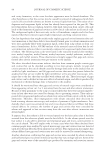
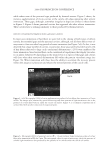
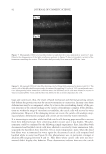
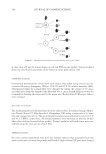
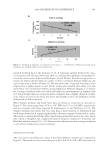
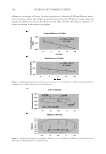
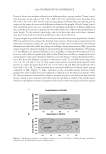
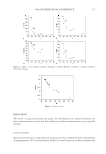
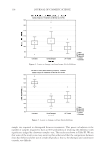
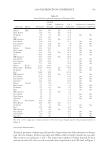
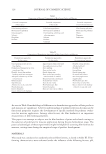
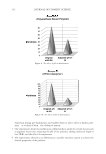
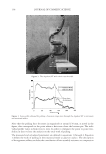
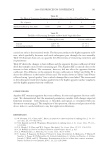
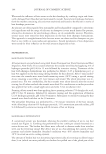
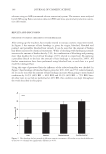
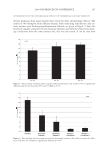
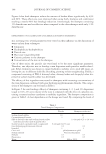
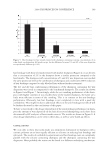
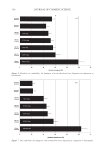
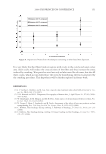
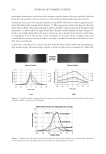
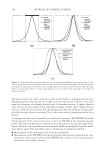
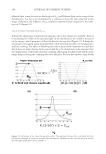
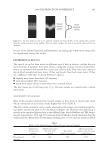
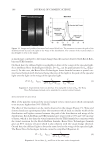
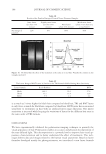
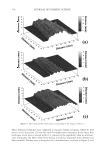
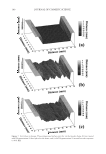
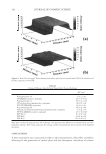
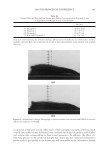
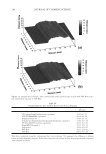
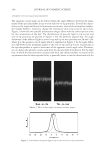
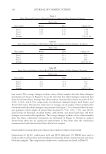
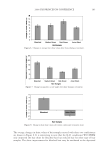
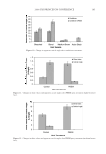
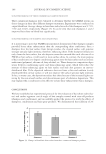
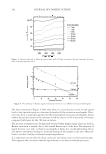
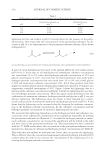
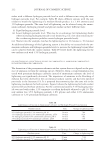
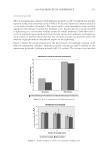
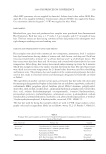
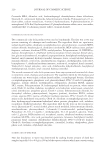
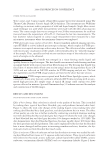
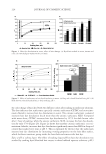
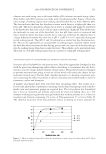
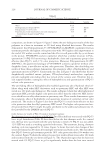
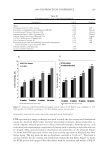
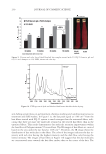
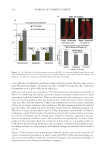
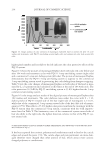
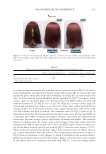
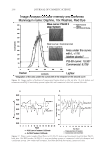
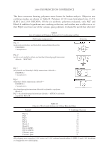
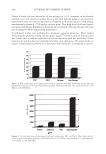
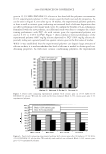
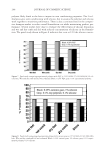
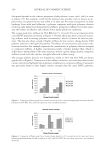
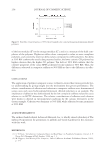
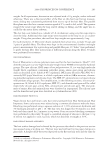
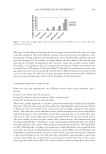
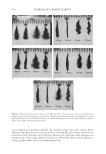
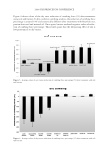
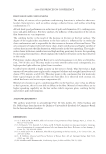
JOURNAL OF COSMETIC SCIENCE 266 length, 5–10 μm) or the chemical heterogeneity of the hair surface. The average sliding angle for virgin hair corresponded to a total average frictional force of 8.8 μN, or 2.2 μN per contact and a static coeffi cient of friction of 0.5. The 4X bleached hair data were not signifi cantly different from the virgin hair according to a t-test. This result refl ected the mild surface damage of the hair, which was assessed by wicking test (section 2.4). In contrast, the relaxed hair, which was hydrophilic (and therefore has signifi cant surface damage), displayed an average sliding angle of 31°—signifi cantly higher than the virgin hair 26°. These data suggested that the incline loop technique might detect hair surface damage. The same hair fi ber set (loops and pairs) was measured at two tensions (10 g and 50 g) and the data are displayed in Table I. The fi ber tension decreased the friction slightly. This could indicate that, at higher tension, the reduced friction related to a decrease of contact area as a result of to cuticle lifting. Treated hair. A typical histogram of angle values for silicone-treated hair is shown in Figure 5, in comparison with the untreated hair data. The treated hair clearly displayed a much broader distribution and a higher average sliding angle compared to the untreated hair. The average low load static coeffi cient of friction for untreated and treated hair is 0.6 and 1.1, respectively. The broad distribution is refl ected by a high standard deviation value. These data suggest that the hair surface treated with silicones presented patches of different adhesion strength. Observations by Bushan with AFM probes also suggested that the hair surface treated with conditioners was patchy and displayed a distribution of adhesion force (1). Histograms of angle values for different silicone treatments at constant dosage 3000 ppm on the hair are shown in Figure 6. A summary table of the analysis data is shown in Table I. All data for silicone-treated hair displayed a broad distribution of angles, which differed clearly from untreated hair. The distribution was closer to a normal distribution for amino ABn, indicating a more even coverage. For the experiments in which the silicone was delivered by a volatile organic solvent, the normal distribution model did not fi t the experimental data well. It is possible that the drying of volatile Figure 4. Sliding angle histograms of untreated hair (N = 50). X-axis: angle in degrees. Upper left: virgin Caucasin hair. Upper right: four time bleached hair. Lower left: relaxed hair. Black line is the normal distribu- tion fi t. [Note: Test data. Actual results may very.]
Purchased for the exclusive use of nofirst nolast (unknown)
From: SCC Media Library & Resource Center (library.scconline.org)