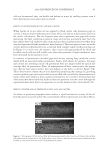
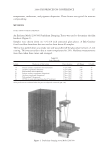
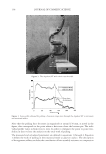
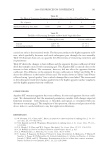
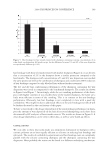
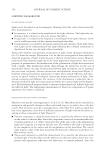
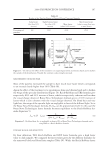
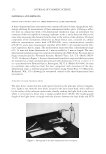
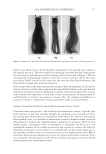
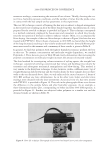
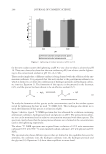
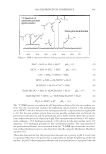
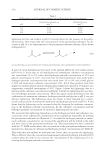
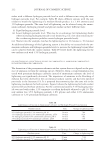
2008 TRI/PRINCETON CONFERENCE 263 weight. In all experiments, the tension was adjusted with a 10 g weight, unless indicated otherwise. There was a directional effect of the fi ber on this hair loop friction measure- ment sliding was consistently performed from root to tip of the hair fi ber. The parallel fi ber plane was tilted at a constant rotation speed of 2°/s, until it slid, or fell. The operator stopped the rotary stage when the loop started sliding or falling, and the angle was re- corded by the motor driver software. The hair loops were formed on a cylinder of 3.8 cm diameter, using very thin tape strip to close the loop. Additional thin tape strips were mounted on the loop to act as counter- weight. Using that procedure, the total hair loop weight was approximately 2 mg. For each treatment, 15 fi bers were chosen randomly from a hair tress, to make 5 loops and 5 pairs of parallel fi bers. The fi bers were kept in the environmental chamber overnight prior to measurement. For a given loop and parallel fi ber pair, 10 “slides” were performed, to probe the hair fi ber–fi ber interactions at different positions along the fi bers. 50 slides were performed by treatment. SILICONE MATERIALS Four of Momentive’s silicone polymers were used for the hair treatments. Silsoft* 1215 dimethiconol gum is a very-high-molecular-weight linear PDMS terminated by hydroxyl groups. The quat silicone, INCI name silicone polyquaternium 18, is a very high molecular weight block copolymers containing polyether group, amino quat group and silicone chain as described in (4). Silsoft A-843 copolymer, INCI name Bisamino PEG/PPG-41/3 aminoethyl PG-propyl dimethicone, is a block copolymer with an (AB)n structure, alternat- ing polyether segments and silicone chain. The SME 253 aminosilicone is a linear silicone with pendant amigo groups. For simplifi cation, in the following sections, silicone poly- quaternium 18, Silsoft A-843 copolymer, SME 253, and dimethiconol gum will be called respectively silicone quat, amino ABn, aminosilicone and silicone gum. The neat poly- mers of amino Abn and aminosilicone were dissolved in isopropanol. The silicone quat and the dimethiconol gum were dissolved in cyclodimethicone (D4). HAIR TREATMENT PROTOCOL Virgin brown hair and brown curly hair were purchased from Hair International Hair Importers. Some curly tresses were relaxed using a commercial relaxer to make the loops. Bleaching was performed using a aqueous solution of 1.35% ammonium hydroxide and 3% hydrogen peroxide at pH = 10. The hair tress was dipped for 30 minutes in a fresh bath and then rinsed for 2 minutes in tap water. Four successive bleaching treatments were performed in this study. To apply a controlled amount of silicone to the hair, 1.4 g of solvent was applied to each 2-g tress, which was dried fl at overnight at 50°C. HAIR SURFACE DAMAGE ASSESSMENT The hair surface damage level achieved by the processes described in the previous section was assessed using a wicking test. The hair tress was held taut by two paper clamps on a glass slide. A droplet of DI water was deposited on the fl at taut hair tress and the time for *Silsoft is a trademark of Momentive Performance Materials Inc. Copyright 2008 Momentive Performance Materials Inc. All rights reserved.

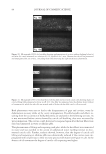
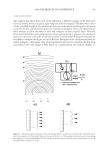
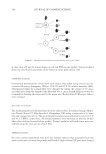
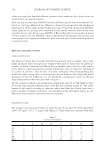
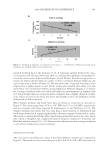
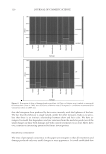
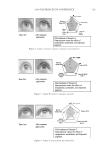
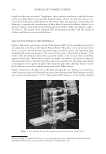
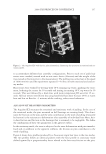
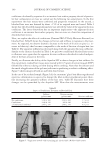
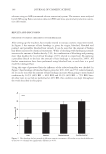
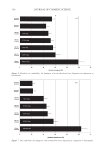
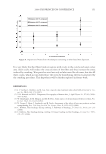
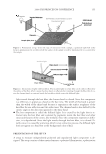
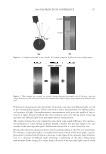
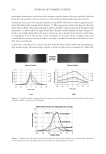
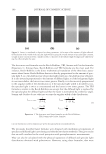
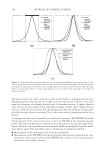
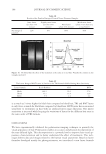
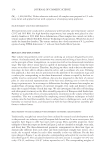
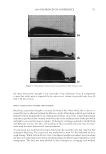
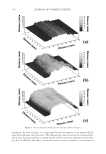
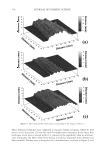
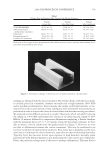
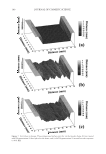
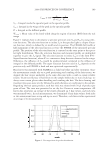
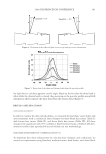
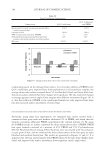
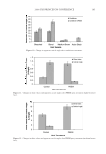
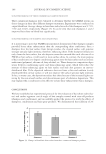
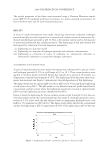
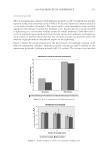
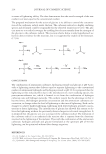
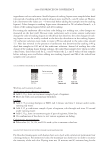
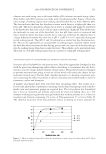
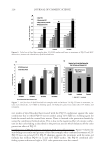
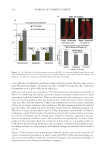
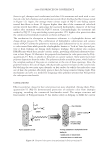
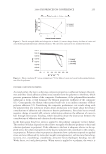
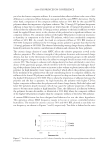
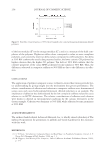
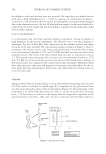
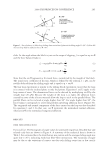
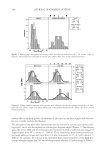
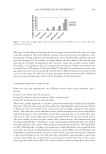
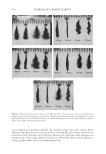
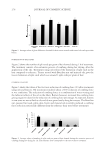
JOURNAL OF COSMETIC SCIENCE 264 the droplet to wick into the hair layer was recorded. On virgin hair, the droplet did not wick, due to high hydrophobicity (t 5 min). In contrast, on “relaxed hair, wicking oc- curred in 6 s, indicating that the hair surface was hydrophilic and signifi cantly damaged due to the relaxation process. On the 4X bleached hair sample, the hair was slightly dis- colored, but the water droplet did not wick within a 5-minute period, indicating a mild level of surface damage. HAIR VOLUME EXPERIMENT It is well known that curly hair assembly displays a signifi cant increase of volume in high humidity. In the present experiment, the objective was to use this property to investigate the role of hair fi ber–fi ber interaction on the volume increase and shape retention of the hair assembly. The experimental design is shown in Figure 2. Prior to treatment with silicones, clean, curly tresses and relaxed tresses were placed for an hour in an environmental chamber at 25°C and 75% RH, and then a picture was taken of the untreated tresses. The tresses were then treated with silicones, as indicated in section 2.3. The treated tresses were placed for an hour in an environmental chamber at 25°C and 75% RH, for an hour and then a picture was taken of the treated tresses. Volume of the treated tresses was compared to the control (tress before treatment). Thereafter, fi bers were taken from the curly tress and mounted to form pairs of parallel fi bers for the in- cline plane hair loop measurement. Fibers were also taken from the relaxed tresses to create the hair loops. THEORY Sliding a block down an inclined plane is a very old method of measuring static friction (5). If the surface is inclined at a small angle, θ, a component of the gravitational force acts downward along the surface of the inclined plane (Figure 3a). The magnitude of this component is mg sin θ. If the block does not slide, it is acted on by the static frictional force, fs. If the surface is inclined to the degree that the tangential component of the gravitational force exceeds fs, then static friction is overcome and the block begins to Figure 2. Experimental design.
Purchased for the exclusive use of nofirst nolast (unknown)
From: SCC Media Library & Resource Center (library.scconline.org)