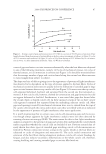
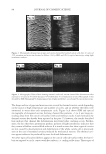
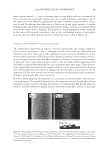
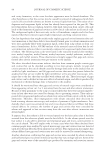
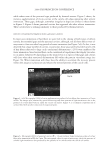
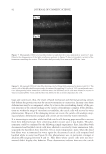
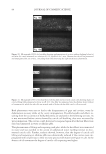
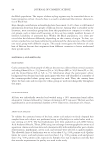
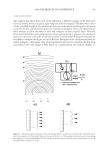
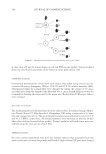
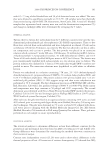
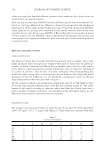
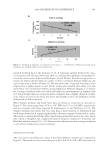
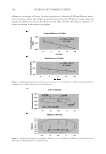
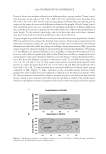
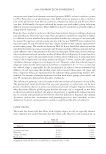
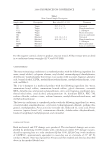
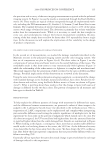
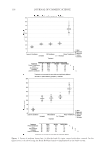
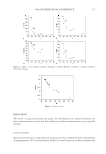
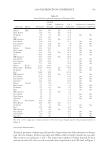
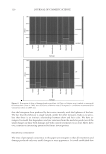
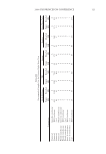
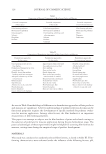
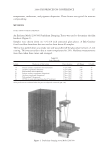
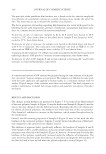
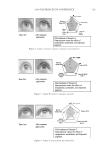
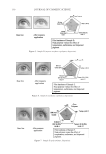
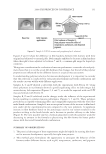
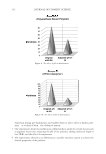
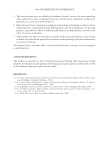
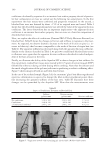
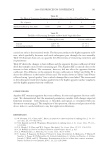
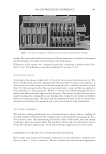
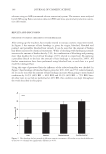
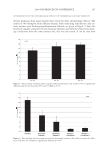
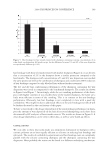
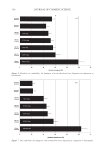
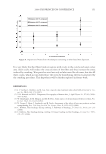
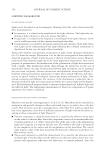
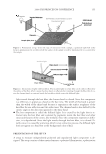
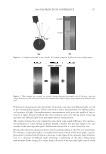
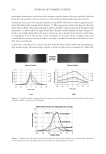
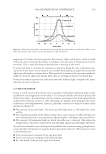
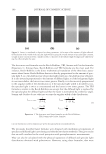
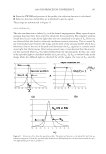
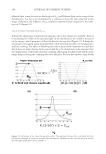
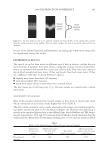
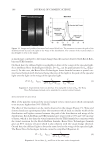
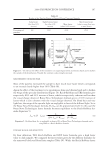
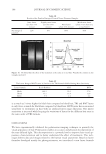
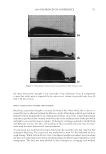
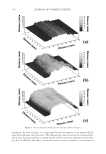
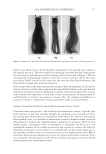
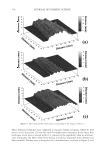
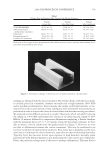
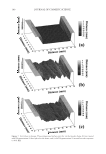
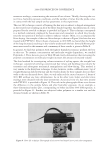
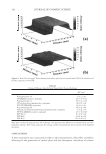
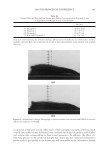
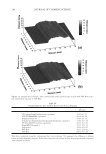
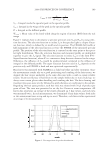
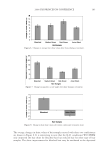
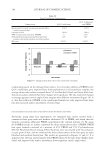
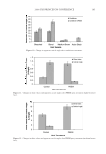
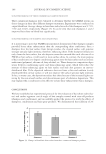
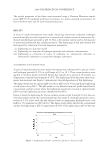
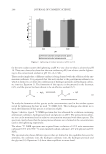
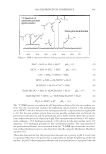
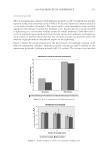
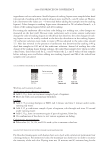
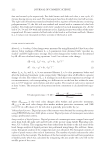
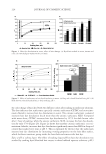
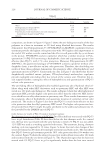
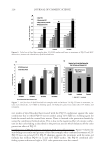
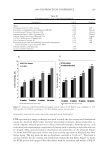
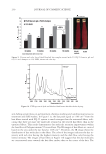
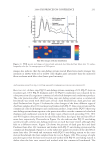
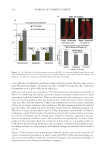
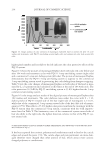
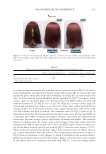
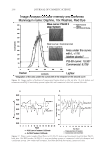
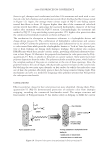
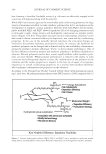
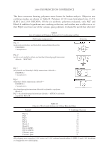
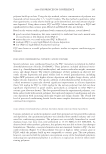
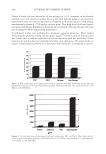
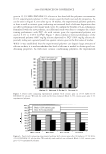
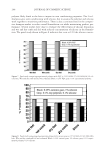
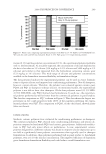
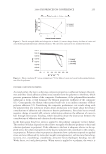
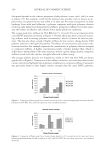
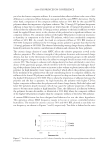
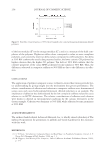
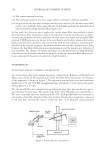
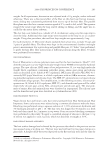
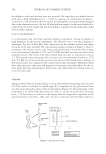
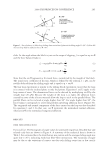
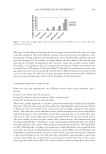
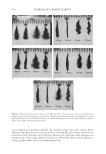
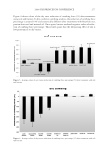
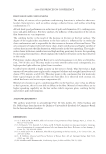
2008 TRI/PRINCETON CONFERENCE 269 The large normal adhesion displayed by silicone gum may be attributed to the very large molecular weight of this linear fl exible polymer, which may lead to the diffusive inter- penetration of chain segments and entanglement across the fi ber/fi ber interface, provid- ing bond strength (6). In contrast, the much shorter silicone chains of the silicone quat typically do not form entanglement and, therefore, form low-strength contact bonds. Generally, a very signifi cant effect of concentration was observed when concentration was increased from 1000 ppm to 3000 ppm (Table I). The effect of concentration on the aver- age angle was much more pronounced with the amino ABn and aminosilicone than in the case of silicone quat. For the silicone quat, increased concentration primarily infl uenced the percentage of high angle values and the broadness of the distribution. QUALITATIVE RELATIONS TO HAIR VOLUME Based on hair loop experiments, the different treated tresses were separated into 3 groups: Group I: low interaction (silicone quat) Group II: moderate interaction (amino ABn, aminosilicone) Group III: strong interaction (silicone gum) These three groups appeared to correlate qualitatively with three distinct hair assembly behaviors. The untreated curly and relaxed hair in a high humidity environment is shown in Figure 8a. The trees volume of the curly tresses was very high, compared to the relaxed tresses. The turbulence of the chamber air fl ow and the bending forces of the curled fi bers separated the fi bers. The curled fi bers most likely separated due to the weak fi ber–fi ber interactions. The control experiment clearly contrasted with the silicone treated tresses. The tress volume pictures for quat, amino ABn, aminosilicone, and dimethiconol gum are shown in Figure 8b–e. In Group I, at low concentration (1000 ppm), the tress volume was quite similar to the control, whereas the tress volume was reduced at 3000 ppm (Fig- ure 8b). Although the curl shape was maintained, individual fi bers were separated from each other. In contrast, for Group II (aminosilicone, amino ABn), at both 1000 ppm and 3000 ppm concentration levels, the tress volume of the curly hair was reduced compared to the control (Figure 8c–d). At 1000 ppm, the curled fi bers stayed parallel to each other and the wave shape was maintained to a much greater extent than that of the control tress, especially with amino ABn. The collective effects of the moderate fi ber–fi ber inter- Figure 7. Percentage of angle higher than 90° for hair treated with different silicones. [Note: Test data. Actual results may vary.]

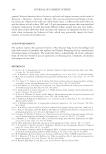
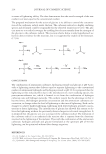
JOURNAL OF COSMETIC SCIENCE 270 actions helped keep the fi bers together and counteracted the forces that separate fi bers. However, the fi bers did not stick to each other. In Group III, tress volume reduction was observed at both 1000 ppm and 3000 ppm. However, at 3000 ppm, fi ber grouping was observed, due to the strong adhesion interactions. When fi ber–fi ber normal adhesion is strong, groups of fi ber stick to each other (Figure 8e). Figure 8. Hair tress pictures after 1 hour at 75% RH and 25°C. In each picture, two tresses on the left are relaxed, two tresses on the right are curly tresses. Silicone dose indicated in ppm: (a) untreated. (b) treated with silicone quat. (c) treated with amino Abn. (d) treated with aminosilicone. (e) treated with silicone gum. [Note: Test results. Actual results may vary.]
Purchased for the exclusive use of nofirst nolast (unknown)
From: SCC Media Library & Resource Center (library.scconline.org)