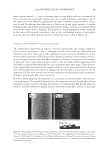
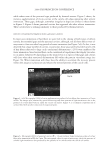
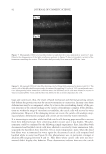
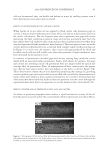
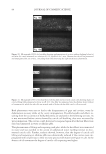
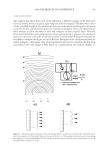
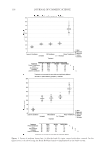
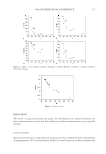
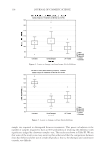
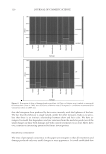
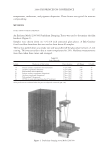
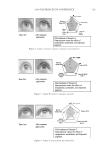
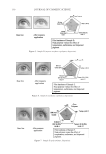
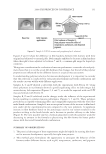
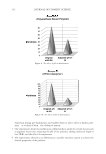
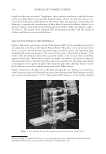
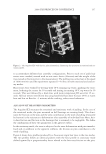
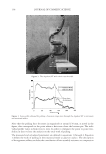
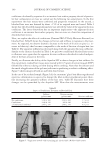
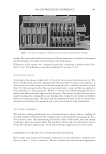
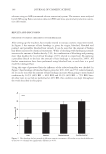
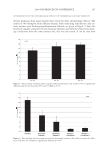
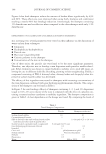
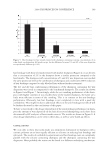
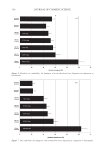
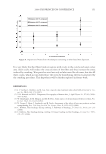
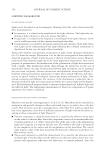
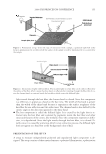
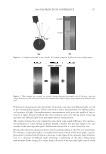
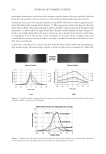
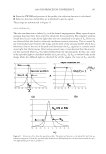
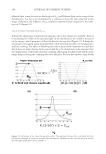
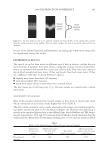
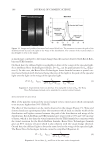
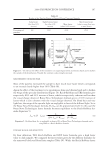
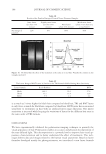
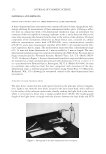
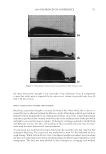
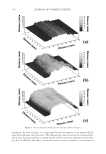
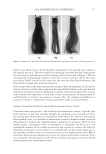
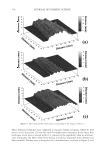
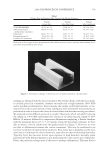
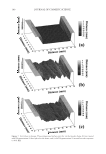
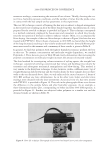
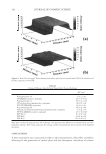
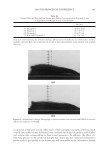
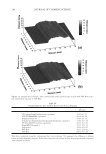
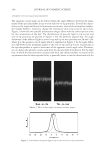
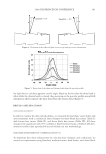
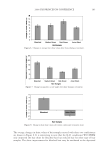
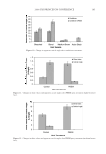
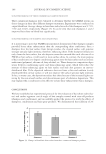
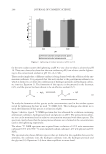
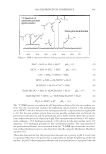
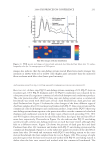
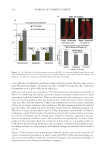
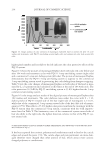
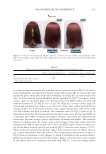
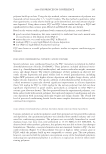
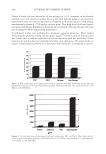
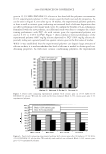
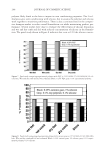
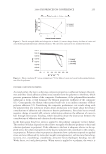
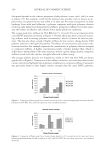
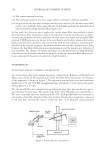
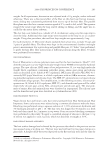
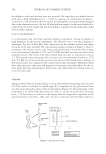
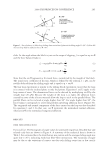
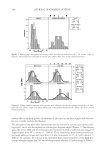
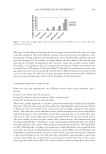
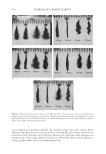
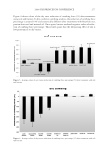
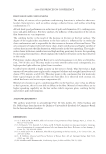
JOURNAL OF COSMETIC SCIENCE 112 Polarized imaging provides a straightforward route to separate specular refl ections from diffuse refl ection because the diffusely refl ected photons are, at least in the limit of mul- tiple scattering, unpolarized. As a result, a pair of images, one formed by photons with polarization parallel to the illumination I|| and one perpendicular I⊥ can be used to sepa- rate the specular, shine image Is = I|| − I⊥ and the diffuse image Id = I⊥. The formulas published in the literature can then be computed without detailed computations on the angle-dependent refl ection curve. We have developed both positive and negative product controls using this imaging system and present an analysis of the sensitivity of the tech- nique for measuring distinctions between hair following different treatments. The new insight from neuroscience uses a simply-computed quantity, the skew of an im- age intensity histogram, as a technical surrogate for shine. Beyond computational sim- plicity, this approach reports to be somewhat color independent, a property that could be particularly useful, given the strong lightness dependence of the currently published technical measures of shine (8) Skew, mathematically the third moment of a distribution, is a measure of asymmetry about the mean. The underlying concept is that one might expect image histograms to be more or less normally distributed in the absence of shine but the pixels in which shine is visible should be far brighter than the rest. Rather than fi nding peaks and analyzing the intensity, or the counting shiny, skew incorporates both of intensity and extent in a rationally weighted way that has the virtue of being a neuraly plausible computation for the visual system. Brighter pixels count more, and every pixel brighter than the mean that is not balanced by a similar pixel below the mean contributes to the skew. We examine the dependence of skew and other measures such as the Reich- Robbins formula (4) and the TRI formula (9) on the lightness (L* in L*a*b* space) of hair and fi nd this measure to be intriguing. One key test of any technical measurement is its ability to predict perceptual judgments. We subject all of these measurements to this test by creating a series of hair damage standards and checking by the perceived differences in shine and measuring technical differences. Our fi nding is that the perceptual differences are clear and consistent, but that none of the technical measures closely follow the pattern of perception for small changes in shine. MATERIALS, METHODS AND MEASURES HAIR All hair used in this work is blended, straight European hair. A list of colors and their measures are found in Table I. Prior to treatment or damage, hair was pre-treated with a cleansing shampoo. CARE METHODS For a simple control, a low dose of phenyltrimethicone (0.0125g/g hair) was applied to the hair tress, spread uniformly down the tress by gentle kneading and air dried. For the conditioner and 2-in-1 formulations, the hair, was pre-wet, treated with 0.15g product/g hair, massaged for 30 seconds and rinsed for 30 seconds. Water supplied at 37°C, 1.6 gallons/minute.

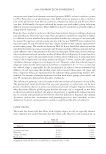
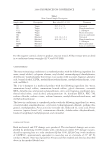
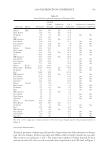
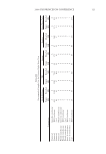
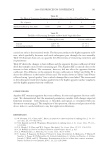
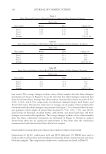
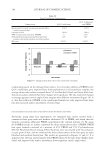
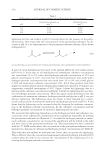
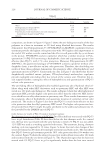
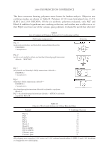
2008 TRI/PRINCETON CONFERENCE 113 For the negative control, a leave-in product, was not rinsed. All hair tresses were air dried in a conditioned room overnight (21°C and 65% RH). CARE MATERIALS The extra moisturizing conditioner is a marketed product with the following ingredient list: water, stearyl alcohol, cyclopenta siloxane, cetyl alcohol, stearamidopropyl dimethylamine, dimethicone, Vanilla planifolia fruit extract, Cocos nucifera milk (coconut), fragrance, glutamic acid, benzyl alcohol, EDTA, methylchloroisothiazolinone, methylisothiazolinone, citric acid, and Blue 1. The 2-in-1 shampoo is a marketed product with the following ingredient list: water, ammonium lauryl sulfate, ammonium laureth sulfate, glycol distearate, cocamide MEA, dimethicone, ammonium xylenesulfonate, citric acid, fragrance, panthenol, pan- thenyl ethyl ether, cetyl alcohol, polyquaternium 10, disodium EDTA, PEG 7M, sodium chloride, sodium citrate, sodium benzoate, methylchloroisothiazolinone, and methylisothiazolinone. The leave-in conditioner is a marketed product with the following ingredient list: water, cetearyl alcohol, amodimethicone, cetyl esters, behentrimonium chloride, perfume (fra- grance), methylparaben, Persea gratissima (avocado oil), Trideceth 12, citric acid, Prunus armeniaca (apricot kernel oil), cetrimonium chloride, chlorhexidine dihydrochloride, linalool, butylphenyl methylpropional, and citronellol. DAMAGE METHODS Both mechanical and UV damage were produced. The mechanical damage was accom- plished by performing 20,000 strokes with a mechanical comber. UV damage was pro- duced by exposing hair to a solar simulator (Q-Sun 3100, Q-Lab Corp.) with irradiance of 0.68W/m2, approximately equivalent to noon-day sun at a latitude of 25° 48′ N, similar to Miami. Hair was exposed for 8 hours and then washed and dried as described above in the method labeled care. Table I Shine Control Sample Description Sample name Description Base color (L*, a*, b*) Treatment VU Virgin 28.2, 5.3, 7.3 Untreated VP+ Virgin 26.5, 5.4, 7, 9 Phenyltrimethicone V2:1 Virgin 2:1 Shampoo VXM Virgin Heavy moisturizer VLI Virgin Leave-in conditioner BU Bleached 42.9, 10.2, 21.2 Untreated BP+ Bleached 40.6, 10.7, 21.1 Phenyltrimethicone B2:1 Bleached 2:1 Shampoo BXM Bleached Heavy moisturizer BLI Bleached Leave-in conditioner
Purchased for the exclusive use of nofirst nolast (unknown)
From: SCC Media Library & Resource Center (library.scconline.org)