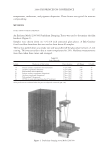
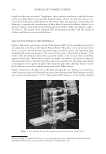
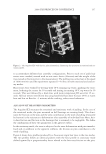
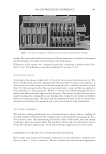
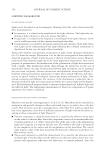
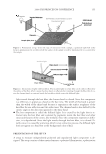
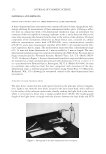
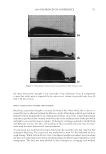
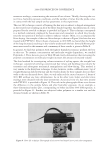
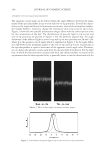
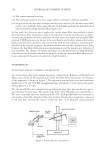
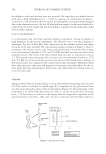
JOURNAL OF COSMETIC SCIENCE 114 COLOR Each hair tress was mounted fl at and straight on a black board and held in front of the ½ inch port of a Hunterlab Ultrascan XE (diffuse illumination and collection). Five repli- cate measures were collected for each tress. LUSTER Luster meaures were accomplished using the Bossa-Nova Samba in which tresses were pulled straight around a cylinder of 4-inch diameter and illuminated at 10 degrees from vertical with light polarized linearly parallel to the cylinder axis. Each tress was meaured 5 times and the average results are reported. IMAGE ACQUISITION Tresses were positioned straight around a 1.25 diameter cylinder and illuminated with collimated light from a quartz-tungsten-halogen bulb. A Fuji S5 digital camera with 90-mm lens was mounted 32 inches from the tress.With color correction set to 3200K we were able to minimize error in the color apperance of a Macbeth mini color chart. Each image was monitored to ensure color drift of no more than a dE of 2. TWO-ALTERNATIVE FORCED CHOICE (2AFC) PRESENTATION An observer sitting at arms length from a monitor was presented with two alternate im- ages and asked to select the shinier image. Each observer was given the same comparision, AB for example, three times with image A on the left and three times with image A on the right. All experiments were conducted using the same monitor. Color blind subjects were excluded from the study. SKEW Skew is calculated from the color images I(x,y,c) rather than the black and white polarized light images. Using the method of Motoyoshi (10) we compute lightness image IL(x,y) = (1/3) Σc=r,g,bI(x,y,c), then the mean μ = (1/NxNy)Σi=1,N x,j=1,Ny IL(xi,yj), the standard deviation 2 = (1/NxNy)Σi=1,N x,j=1,Ny (IL(xi,yj) − μ)2 and fi nally the skew S = (1/NxNy 3 ) Σi=1,N x,j=1,Ny (IL (xi,yj) − μ)3. RESULTS POLARIZED IMAGING OF CONTROL TREATMENTS In the fi rst set of measurements reported here, we treat medium brown hair, Virgin and Bleached, with a series of positive and negative shine controls in order to get a handle on

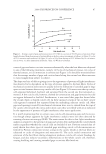
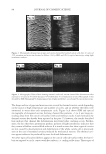
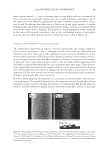
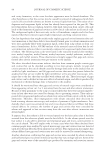
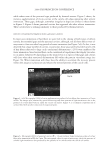
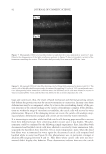
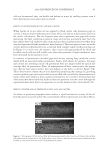
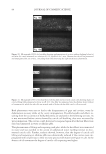
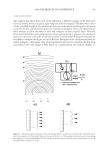
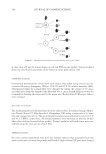
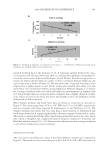
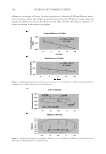
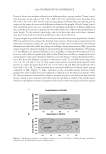
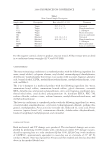
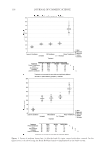
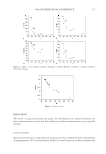
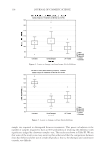
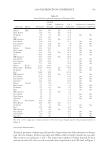
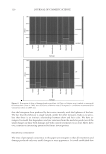
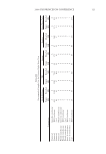
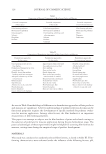
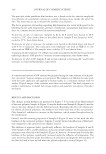
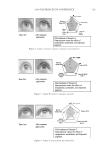
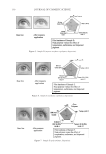
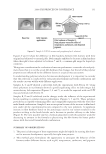
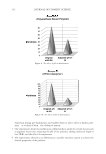
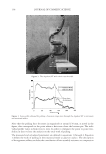
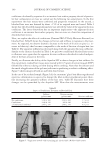
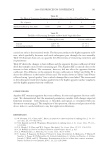
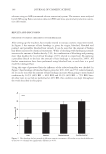
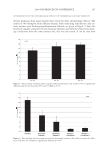
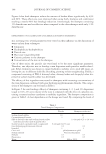
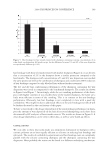
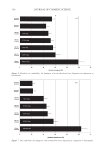
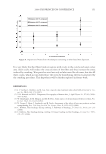
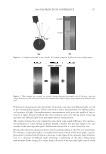
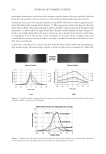
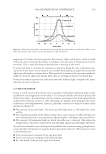
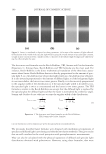
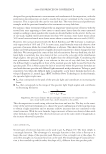
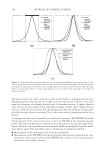
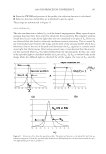
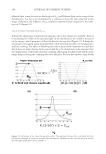
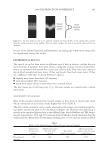
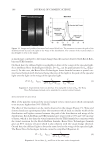
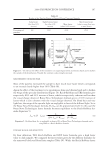
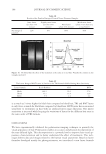
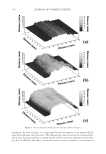
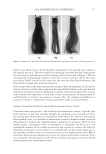
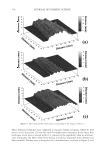
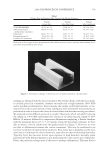
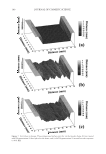
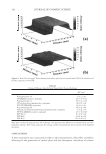
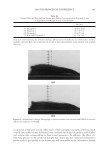
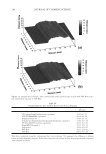
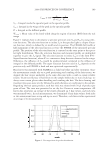
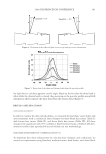
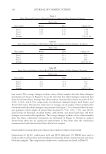
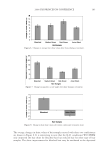
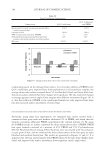
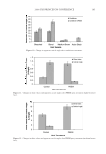
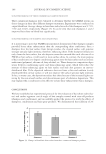
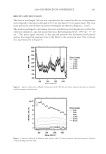
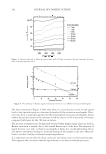
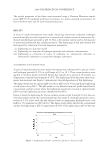
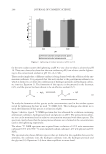
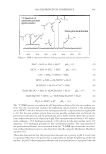
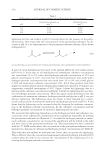
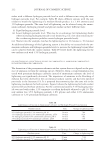
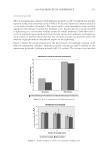
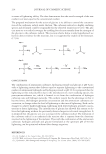
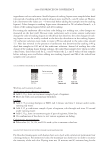
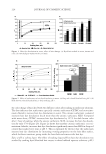
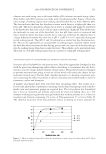
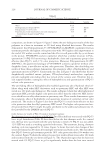
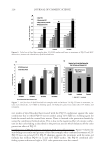
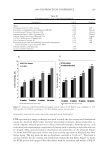
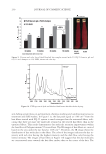
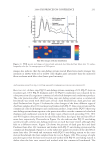
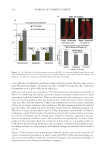
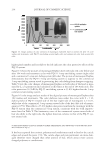
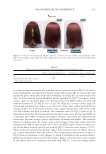
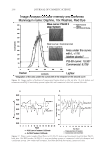
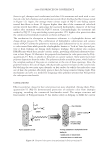
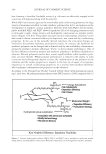
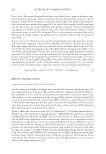
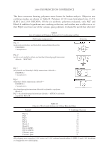
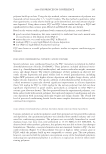
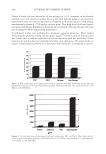
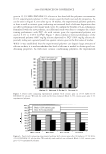
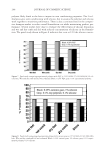
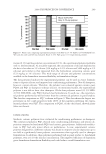
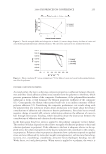
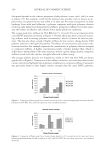
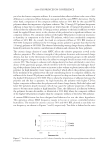
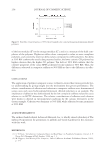
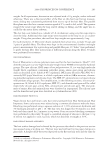
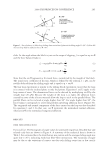
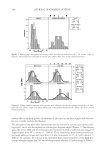
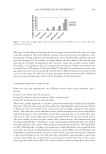
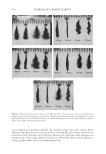
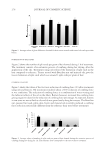
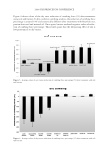
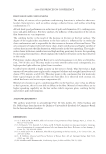
2008 TRI/PRINCETON CONFERENCE 115 the precision and accuracy of the tress imaging measurements acquired with the polarized imaging system. In Figure 1 we see the results as interpreted through the Reich-Robbins metric (4). These results are typical of those interpreted through all implemented meth- ods, including the TRI measurement (9), Guiolet (11), Stamm (3) and Bossa Nova’s own formula. The standard deviation of repeated measurements is close to 10% of the mean across a wide range of values for luster. The deviation is primarily due to hair variability rather than the instrumental noise. While it is necessary to comb the hair straight in every case, and careful practice reduces the between measurement variability, the posi- tioning of the hair simply does not allow for better than 10% repeatability from a single tress. In the discussion we will explore the implications of this variability to the design of product comparisons. POLARIZED AND COLOR IMAGING OF DAMAGE STANDARDS In the second set of measurements, we studied the damage standards (described in the Materials section) in the polarized imaging system and the color imaging system. The fi rst set of comparisons we plot in Figure 2(a–d). The skew values in Figure 3 are the comparisons of various shine and luster metrics to the overall lightness of the tresses. The remarkable result is that skew seems to vary monotonically with lightness (Figure 3) while the relationship of the other metrics to lightness is complex and non-functional. This result suggests that the generation of skew is related to the optics of fi bers and fi ber damage. Potential implications of this observation are reviewed in the discussion. Using the same tresses and the polarization imaging equipment, we monitored the change with standard damage across multiple, natural and artifi cial, hair colors. Results for me- dium brown and red hair, using the Reich-Robins metric of luster are shown in Figures 4 and 5. What is puzzling about these results is that the change in luster with source of damage is different for the two hair colors. The pattern of response for all measures and hair types is detailed in Table II. PERCEPTION TEST To help explain the different patterns of change with treatment for different hair types, and the differences between measurements, we presented a subset of these images to be judged in the 2-alternative forced choice test described in the methods section. The in- terpretation of 2-AFC comparisons can be sophisticated and complex when interpreting just noticeable differences and testing the relative signifi cance of multiple tests. In this experiment we focus only on the pattern of judgments which turned out to be clear. For all colors investigated, the UV-treated hair had higher shine that the untreated hair that in turn had higher shine than the comb damaged hair. Results are summarized in Figure 6. When looking at this fi gure, a contingency chart, note than an undetectable difference would result in a bar being drawn at the center, the 50% line. As the difference becomes more detectable the bar moves away from the center. We have drawn the 95% confi dence line. Bars below that line represent comparisons that are perceivably different with con- fi dence exceeding 95%. Essentially all hair types have the same directional change in perceived shine for each type of damage induced in this experiment.
Purchased for the exclusive use of nofirst nolast (unknown)
From: SCC Media Library & Resource Center (library.scconline.org)