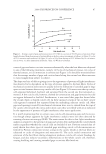
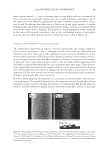
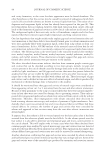
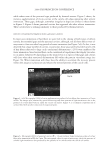
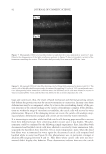
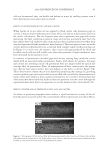
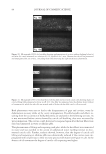
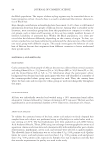
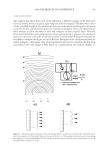
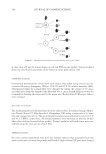
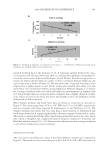
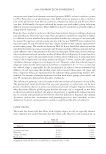
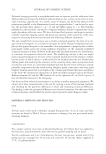
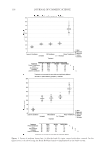
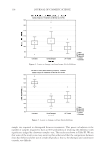
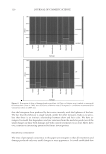
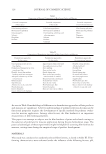
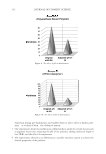
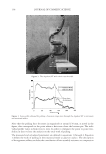
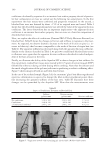
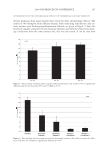
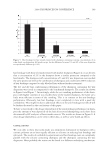
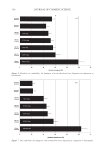
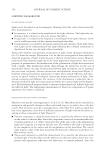
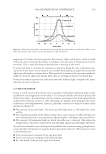
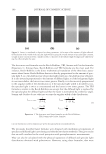
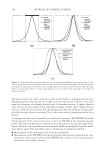
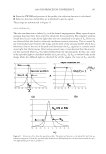
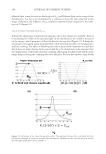
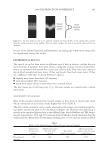
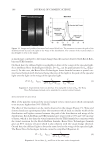
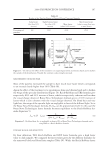
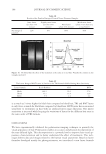
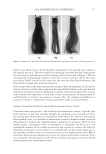
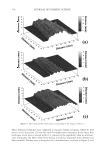
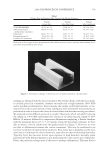
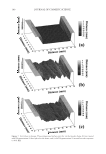
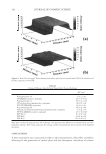
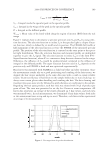
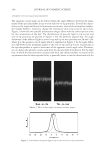
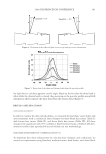
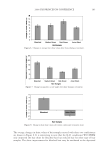
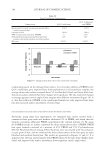
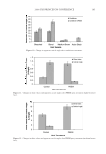
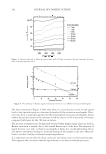
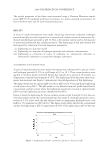
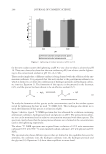
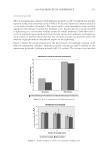
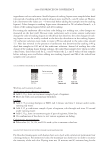
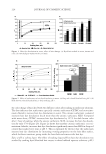
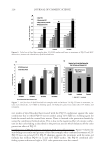
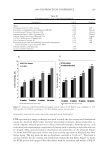
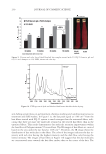
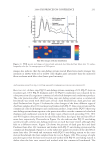
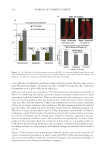
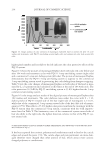
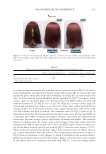
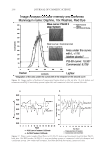
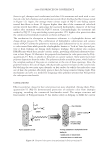
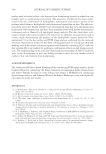
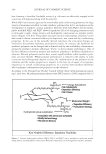
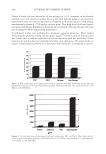
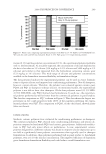
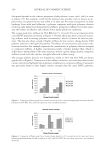
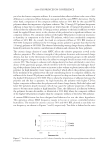
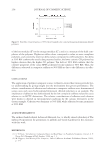
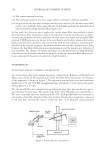
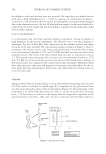
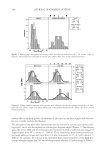
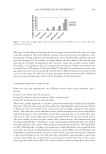
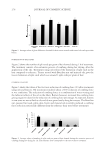
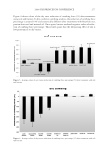
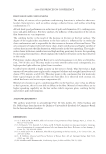
JOURNAL OF COSMETIC SCIENCE 120 that the histogram skew produced by hair varies inversely with the lightness of the hair. The fact that this behavior is single valued, unlike the other measures, leads us to specu- late that there is an intrinsic relationship between skew and hair color. We have at- tempted to model this dependence and use variations from the model as predictors of the small changes in shine with damage and with control treatments to no avail. Skew, how- ever, remains an interesting quantity for future investigations. PERCEPTUAL CONSISTENCY The tests of perceptual consistency in this paper are stringent in that all treatments and damage produced only very small changes in tress appearance. It is well established that Figure 6. Perception of shine of damaged and treated hair. (a) Choice of shinier tress (combed vs untreated) for various hair colors in 2AFC test. (b) Choice of shinier tress (UV exposed + conditioner vs untreated) for various hair colors in 2AFC test.

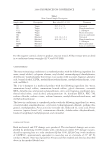
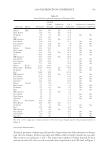
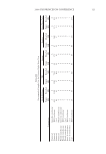
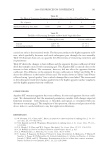
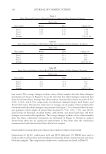
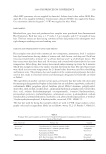
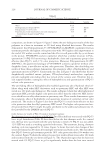
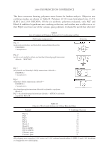
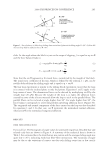
Table III Recommended Sample Size for Polarized Light Shine Tests Comparison Reich-Robbins TRI Stamm Guiolet Bosse-Nova Tech. Virgin MB Bleached MB Virgin MB Bleached MB Virgin MB Bleached MB Virgin MB Bleached MB Virgin MB Bleached MB Untreated Leave-In conditioner 6 9 6 8 6 6 6 7 6 8 Untreated XM Conditioner 663 3109 3282 7594 40 272 67 388 115 103 Untreated 2 in 1 19 63 27 109 22 13 22 17 12 25 Untreated Phenyl trimethicone 6 6 8 6 6 6 6 6 6 6 Phenyl trimethicone Leave-in conditioner 6 6 6 6 6 6 6 6 6 6 Phenyl trimethicone XM Conditioner 6 6 8 6 6 6 6 6 6 6 Phenyl trimethicone 2 in 1 7 6 9 6 6 6 6 6 6 6 Leave-In conditioner XM Conditioner 6 9 6 8 6 6 6 7 6 7 Leave-In conditioner 2 in 1 6 8 6 7 6 6 6 7 6 7 2 in 1 XM Conditioner 24 63 27 110 94 14 84 18 23 277 2008 TRI/PRINCETON CONFERENCE 121
Purchased for the exclusive use of nofirst nolast (unknown)
From: SCC Media Library & Resource Center (library.scconline.org)