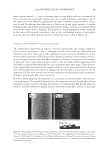
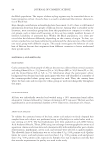
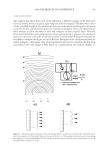
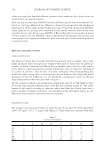
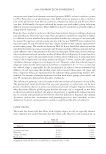
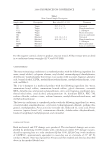
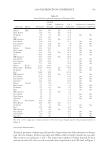
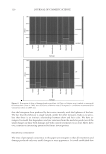
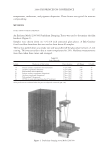
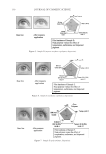
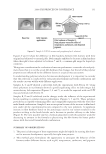
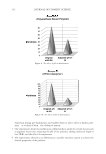
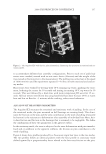
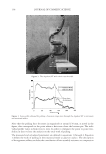
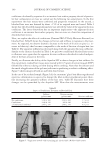
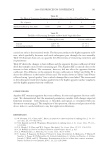
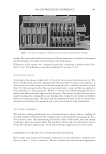
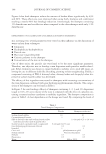
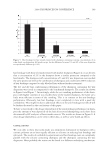
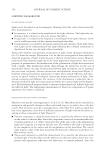
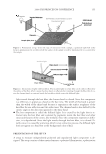
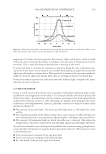
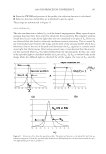
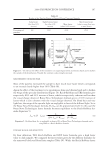
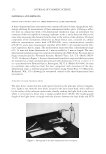
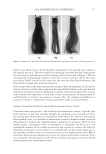
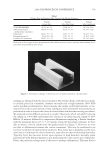
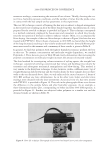
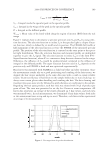
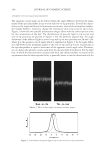
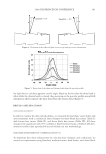
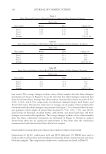
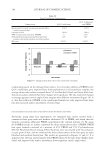
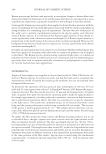
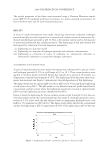
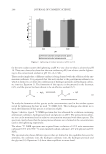
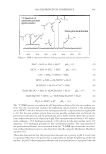
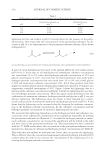
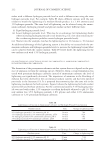
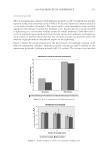
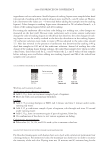
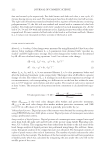
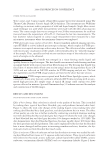
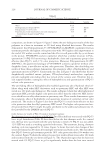
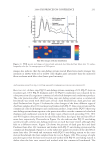
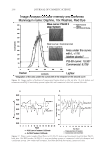
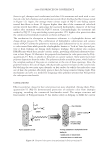
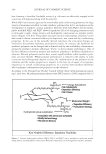
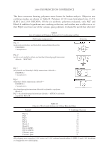
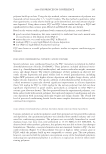
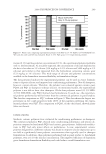
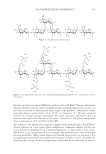
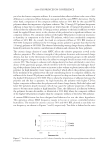
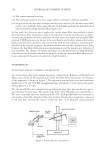
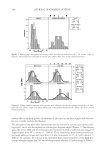
2008 TRI/PRINCETON CONFERENCE 127 temperature, surfactants, and pigment dispersion. These factors are typical for mascara compounding. METHODS EVALUTION OF FILM HARDNESS An Erichsen Model 299/300 Pendulum Damping Tester was used to determine the fi lm hardness (Figure 1). Samples were drawn down on 7×4×1/8 inch untreated glass plates. A Byk-Gardner 6-mil wet fi lm drawdown bar was used to draw down all samples. The bar was pulled down at a steady rate and was pulled off the glass plate to leave a 3-mil coating. This was set aside to dry at room temperature for 24 h. Hardness measurements were then taken three times and averaged. Table III Study Materials Sample Chemistry of fi lm former Heat tolerance pH Range % Solids A Styrene acrylates copolymer (microemulsion) Up to 50°C 7–8 25 B Acrylates copolymer (Solution) Up to 50°C 7–8 25 C Polyurethane (microemulsion) Up to 50°C 7–8 33 D Styrene acrylates copolymer (dispersion) Up to 50°C 7–8 40 E Acrylates copolymer (dispersion) Up to 50°C 7–8 40 F Polyurethane* (dispersion) Up to 50°C 8–9 40 G VP/VA in water and propylene glycol* (solution) Up to 50°C 5–6 48 *The pH factor was evaluated when the pH was adjusted to neutral (pH 7–8). Figure 1. Pendulum damping tester Model 299/300.

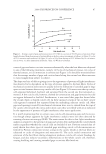
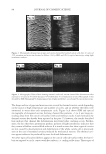
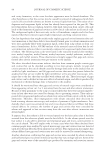
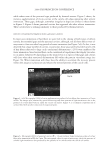
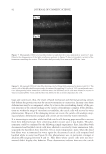
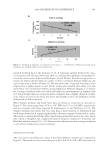
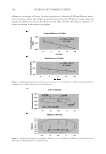
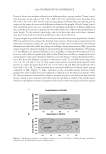
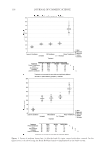
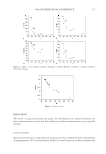
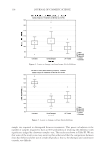
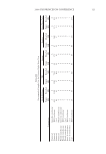
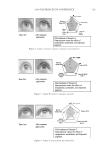
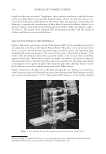
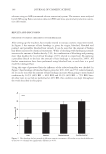
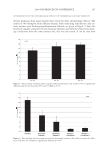
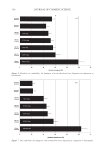
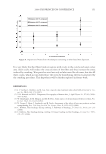
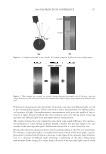
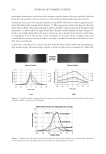
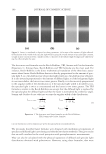
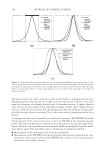
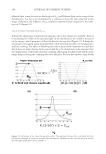
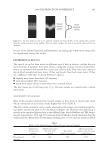
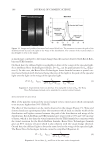
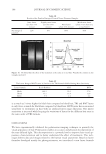
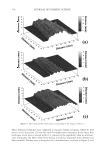
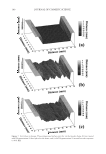
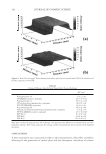
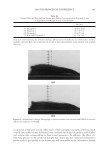
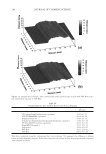
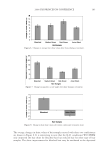
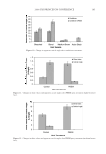
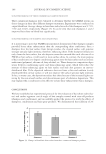
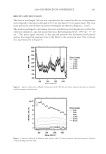
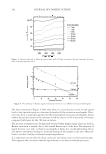
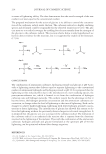
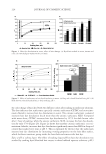
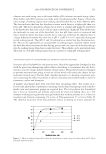
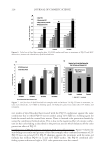
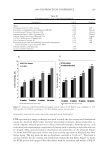
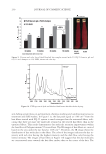
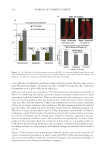
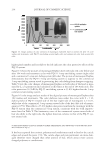
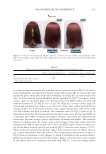
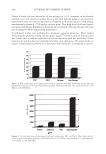
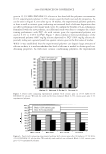
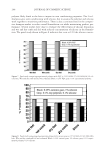
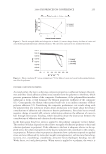
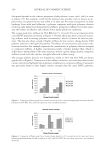
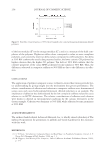
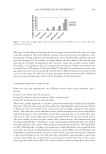
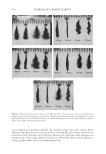
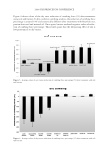
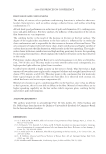
JOURNAL OF COSMETIC SCIENCE 128 The principle of the pendulum fi lm hardness test is based on the fact that the amplitude of oscillations of a pendulum rocking on a sample decreases more rapidly the softer the fi lm. The tester was set up to measure the number of oscillations. The factor-properties relationship regarding fi lm formation was tested with regard to the following factors: pH, temperature, presence of surfactant, and pigment dispersion since these are common factors involved in mascara manufacture. To determine the effect of temperature, Samples A, B, C, D, E and G were heated to 50°C cooled to 25°C, then drawn down as described above. Sample F was heated to 40°C, cooled to 25°C, then drawn down. To determine the effect of surfactant, the samples were heated as described above and mixed with 0.5% of surfactant. Two surfactants were employed: one with an HLB of 17, the other with an HLB of 4. The samples were cooled to 25°C and drawn down. To determine the effect of pigment, 5% of black iron oxide was added to the fi lm former and mixed under high shear at 2000 rpm for 15 minutes at room temperature, then drawn down. To determine the effect of pH, Samples F and G were adjusted to between pH 7 and 8 with isostearic acid and triethanolamine, respectively. EVALUTION OF POLYMERS FOR MASCARA APPLICATION A conventional mascara (O/W system) was prepared using the same amount of each poly- mer. A total of 7 mascara samples were prepared. The samples were fi lled in the same pack with the same applicator and applied to human lashes in a consistent manner with 30 strokes. Digital images of the eyelashes were taken and analyzed. The fi nal judgment on product performance included lash image analysis and panelists’ perception of product attributes. RESULTS AND DISCUSSION The changes in fi lm hardness are presented in Figure 2–8. In terms of the fi lm hardness of the neat polymer, Sample A (Figure 2) was the hardest and Sample E (Figure 6) was the softest, but that changed with the different factors. Regarding the effect of temperature, for almost all heated polymers, the hardness was lower than that of the neat polymer. Only Sample G exhibited an increase in fi lm hardness, which seemed brought about by the temperature. Overall, the fi lm-forming properties of Sample E (Figure 6) were in line with the fi lm hardness of the untreated polymer. Samples C and D showed modifi cation of fi lm hard- ness compared to the untreated state (Figure 4 and 5). The addition of pigment didn’t signifi cantly infl uence the hardness of Samples E and F, while Sample A, B, C, and D exhibited a reduction in fi lm hardness. Interesting functional properties were observed with Sample G (Figure 8), however. As mentioned above the fi lm hardness of this polymer signifi cantly increased under the infl uence of temperature. The same trend was observed under the infl uence of surfactants and pigment. The hardness of the fi lm declined at least by half when the pH was adjusted to neutral (Figure 10).
Purchased for the exclusive use of nofirst nolast (unknown)
From: SCC Media Library & Resource Center (library.scconline.org)