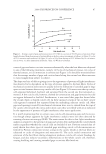
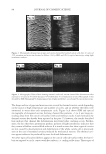
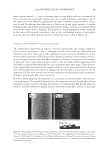
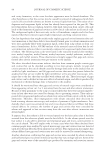
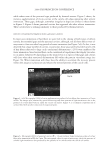
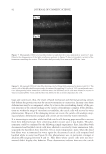
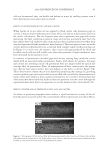
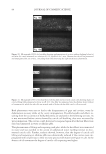
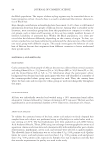
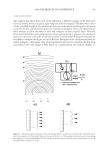
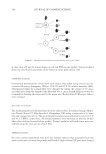
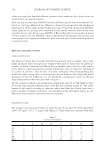
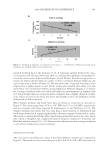
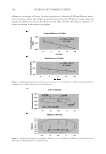
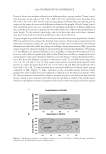
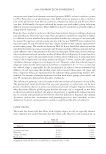
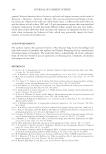
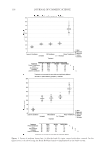
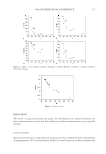
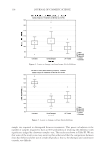
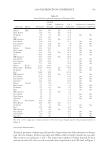
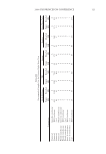
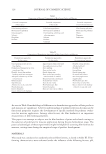
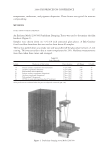
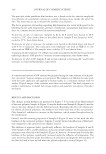
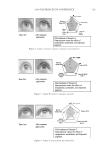
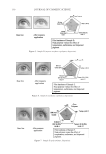
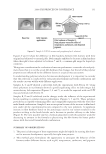
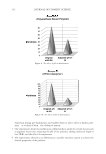
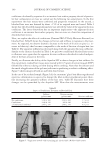
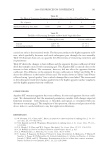
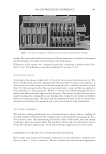
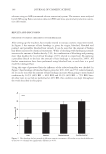
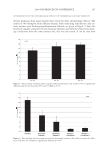
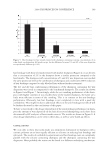
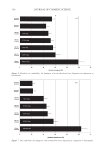
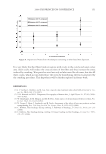
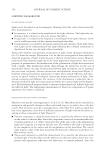
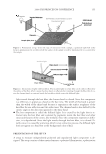
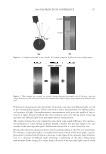
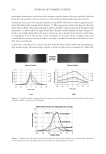
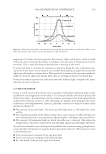
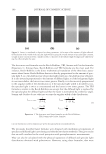
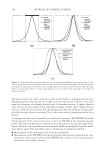
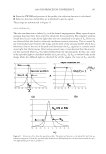
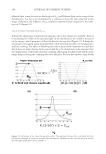
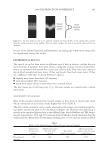
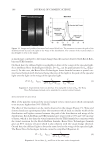
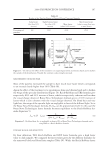
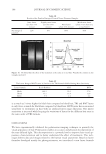
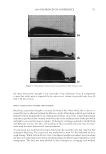
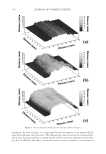
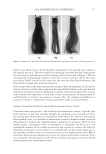
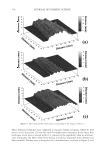
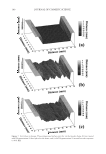
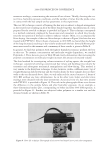
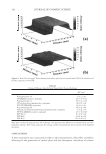
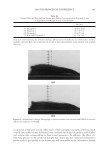
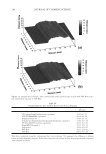
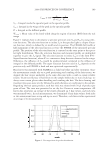
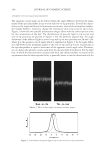
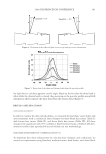
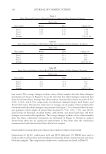
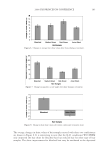
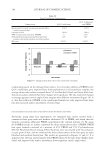
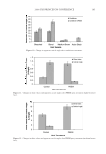
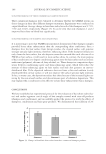
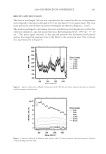
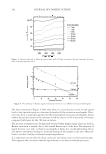
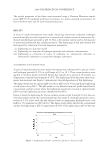
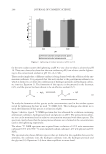
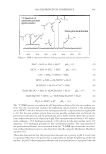
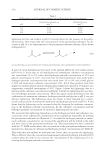
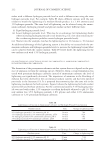
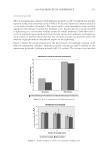
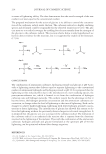
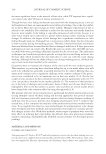
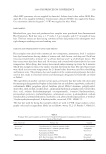
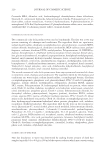
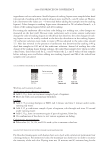
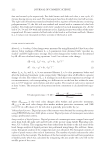
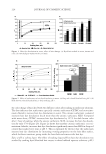
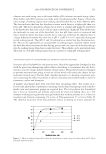
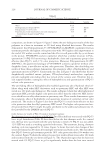
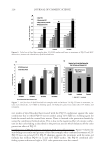
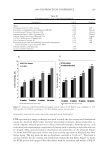
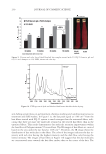
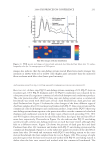
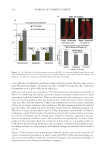
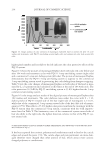
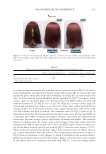
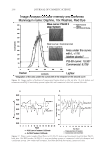
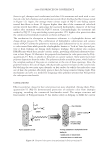
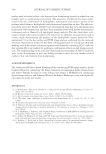
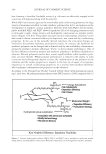
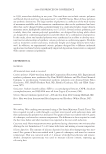
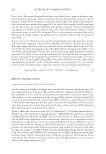
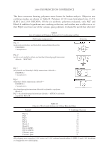
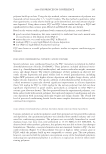
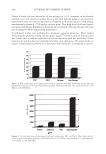
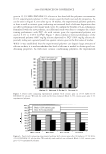
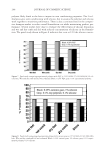
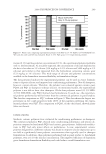
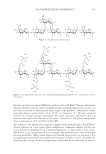
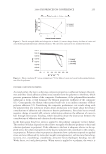
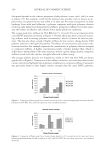
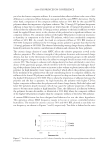
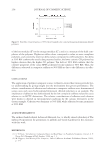
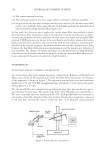
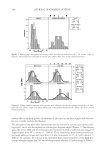
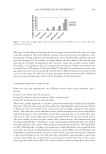
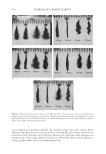
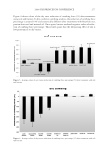
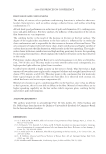
2008 TRI/PRINCETON CONFERENCE 131 Figures 9 and 10 show the difference in fi lm hardness between fi lm formers with their original and adjusted-to-neutral pH’s. Both samples exhibited a decrease in fi lm hardness when their pH’s were adjusted to between 7 and 8, a common pH range for liquid eye cosmetics. Taking into consideration the evaluation of mascara performance versus the selected poly- mers shows that it is not the actual fi lm hardness that changes, but that all of the polymer properties are infl uenced by the different factors in a typical mascara system. In understanding polymer selection for mascara development it is important to consider that this selection is conducted for each particular formula and brush combination and the results can vary widely with different applicators. Samples A, C and F showed a softer fi lm with the experiments with Tween 20. Using those polymers in our formula showed a good lengthening effect on lash images but unsatisfactory lash separation (Figures 2, 4 and 7), as would be expected with our O/W mascara formula with Tween 20. Samples B, D and E exhibited similar changes under the infl uence of the experimental factors resulting in similar mascara performance (Figures 3, 5 and 6). These polymers provided an acceptable volumizing effect and comparable separation with the tested for- mula/brush combination. Sample G was an exception because of the increase in fi lm hard- ness under all the experimental factors compared to the neat polymers. A signifi cant increase in fi lm hardness based on the percentages used in our system resulted in the product sticking to the brush bristles and a decrease in product delivery to the lashes (Figure 8). The next possible step for a formula adjustment with this polymer would be decreasing its amount in the formula or plasticizing the fi lm former for better perfor- mance with the tested formula/brush combination. SUMMARY OF OBSERVATIONS 1. The practical advantages of these experiments might be helpful for screeing fi lm form- ers for mascara development, especially for tight time projects. 2. This method gives formulators the opportunity to anticipate the behavior of fi lm formers under different factors such as pH, temperature, surfactant, and pigment Figure 8. Sample G (VP/VA in water and propylene glycol, solution).

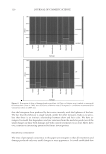
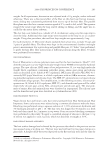
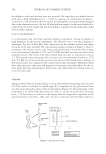
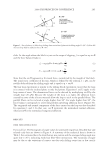
JOURNAL OF COSMETIC SCIENCE 132 Figure 9. The effect of pH on fi lm hardness. Figure 10. The effect of pH on fi lm hardness. dispersion during pre-formulation, and enables them to select softer or harder poly- mers—or a blend of both—for a balanced system. 3. Our experiments showed a modifi cation of fi lm hardness under the several factors such as pigment interaction, adjusting the pH of the polymer, adding surfactant (high or low HLB), and the effect of temperature. 4. The experiments allowed us to differentiate a suitable emulsion system to achieve the desired properties of the polymer.
Purchased for the exclusive use of nofirst nolast (unknown)
From: SCC Media Library & Resource Center (library.scconline.org)