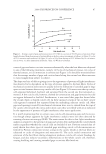
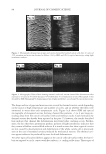
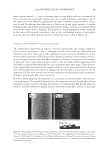
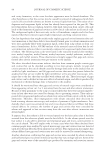
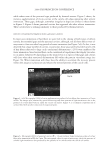
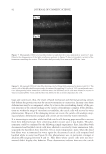
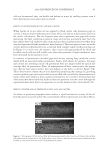
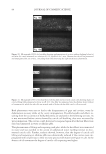
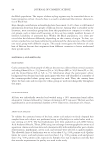
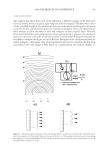
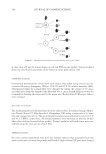
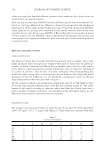
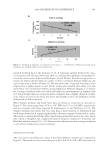
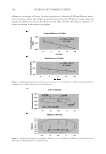
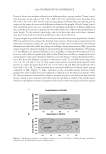
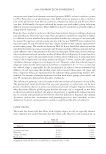
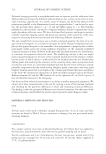
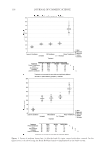
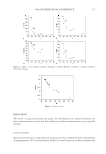
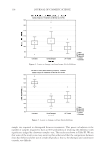
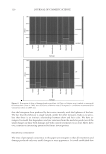
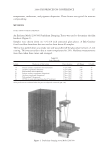
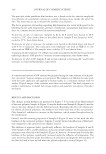
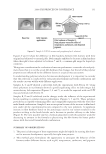
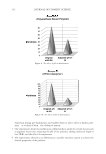
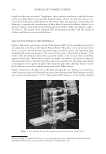
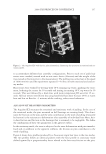
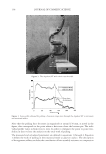
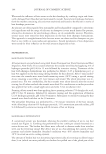
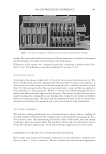
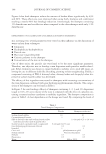
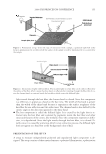
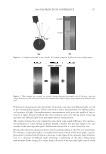
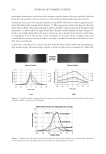
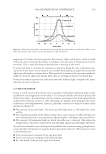
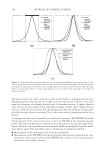
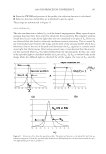
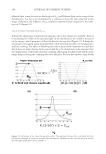
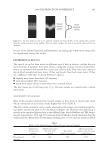
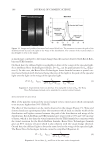
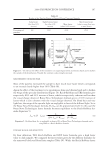
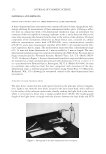
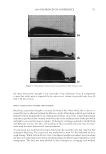
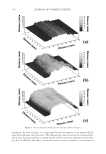
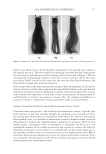
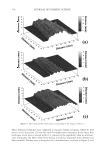
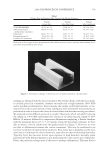
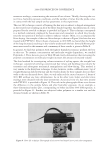
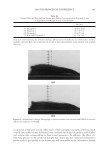
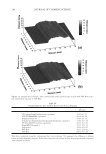
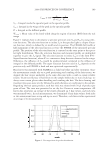
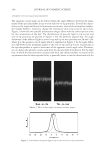
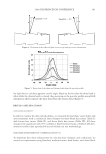
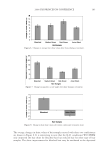
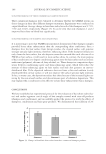
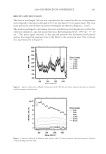
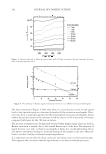
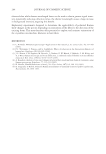
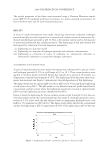
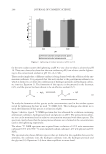
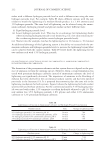
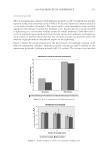
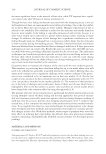
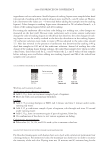
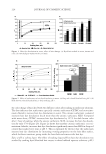
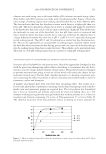
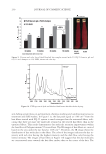
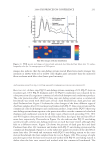
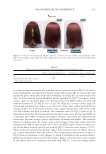
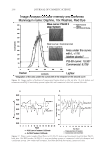
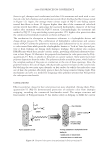
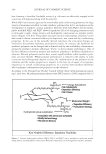
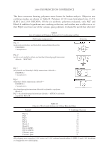
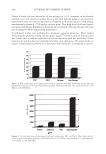
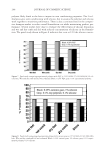
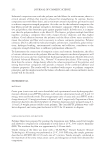
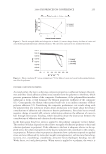
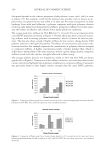
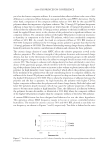
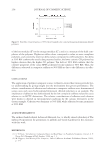
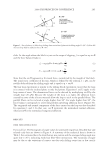
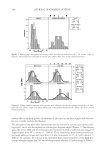
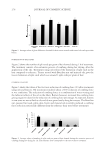
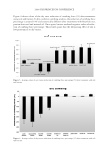
JOURNAL OF COSMETIC SCIENCE 138 Note that the pulling force decreases in magnitude at around 130 mm, as noted in the fi gure, this corresponds to the point where a hair tress clears the bottom pin. The indi- vidual profi le varies in from tress to tress. In order to eliminate the point to point vari- ability in data we base the analysis on the total work of pulling. The measured and calculated parameters are defi ned in equations 1 through 4. Equation 1 defi nes the work of pulling in the rotational mode as apparent stiffness. The description of the apparent stiffness excludes the contribution of hair assembly resistance to compression Figure 3. The Aqualon SLT with a hair tress threaded. Figure 4. Force profi le obtained by pulling a Caucasian virgin tress through the Aqualon SLT in stationary and rotational modes.

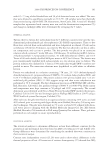
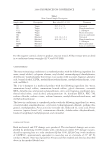
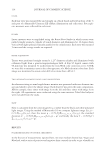
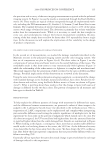
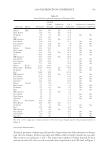
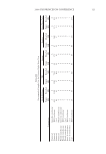
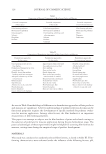
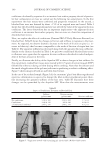
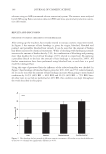
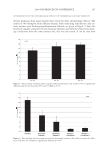
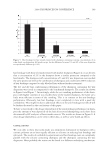
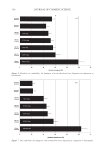
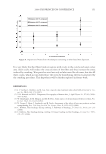
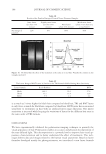
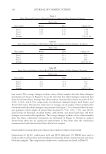
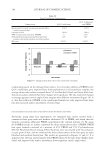
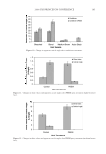
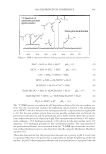
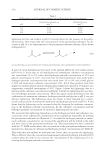
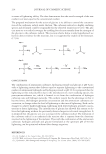
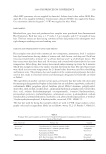
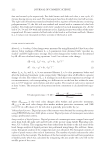
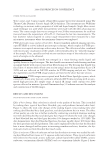
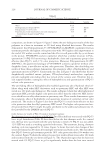
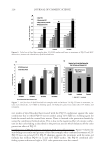
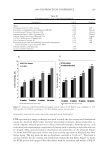
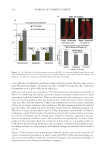
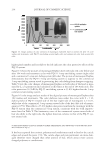
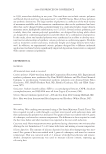
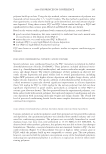
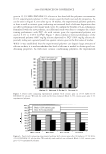
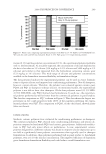
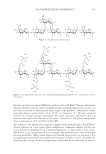
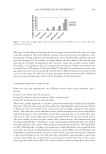
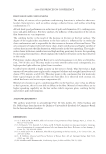
2008 TRI/PRINCETON CONFERENCE 139 during the deformation process. This factor would be important in the cases of curly hair. In this work, however, since we are working with essentially straight hair, the parameter is omitted for simplicity. Equation 2 describes the work of pulling in the stationary mode. The resistance to defor- mation in rotational mode is expected to be present in the stationary test as well. Thus, the work measured in the stationary experiment is the sum of the work of pulling in ro- tational mode and the work of friction of the hair tress on immobilized pins. Equation 3 describes the calculated work of friction on pins and defi nes this parameter as apparent hair lubricity. Wrotational = Wfi ber−fi ber friction + Wfi ber stiffness ≡ Apparent stiffness (1) Wstationary = Wrotational + Wfriction on pins (2) Wfriction on pins = Wstationary − Wrotational ≡ Apparent lubricity (3) Finally, in the light of proportionality between forces in stationary and rotational modes we defi ne an apparent friction coeffi cient as the ratio of apparent lubricity or friction on the pins to apparent stiffness as shown in equation 4. Effective friction coefficient Apparent lubricity Apparent stiffness ≡ W W W stationary rotational rotational = − (4) VALIDATION We offer a brief validation to the relevance of the measured parameters next. Table I shows the apparent stiffness, lubricity and the apparent friction coeffi cient of virgin and bleached Caucasian hair tresses. Bleached hair produces substantially less lubricity (i.e. larger work of friction on the pins), 2200 vs. 870 g-force mm than its virgin counterpart. The larger friction of bleached hair is an expected outcome attributed to the damage re- sulting from the bleaching process. Bleached hair also produces higher apparent stiffness, 1340 vs. 1050 g-force mm than virgin. Since the apparent stiffness includes a contribu- tion from hair-hair friction it can not be conclusively stated if the difference is due to the changes in fl exural stiffness or to the friction. Future communication will address the deconvolution between these two parameters. The confl uence of these parameters, how- ever, does not detract from the relevance of the apparent stiffness, as hair-to-hair friction is undoubtedly an important part to the perception of stiffness. Table I also shows signifi cantly different apparent friction coeffi cients. The coeffi cient is predictably lower on virgin hair then on bleached. To ascertain if the apparent friction Table I Comparison between Bleached and Virgin Hair Tress Attributes Stiffness (g-force mm) Friction on pins (g-force mm) Friction coeffi cient Virgin 1050 ± 60 870 ± 70 0.8 ± 0.1 Bleached 1340 ± 100 2230 ± 200 1.7 ± 0.2 2 Bleached combined 3540 ± 270 5390 ± 380 1.5 ± 0.2 Bleached, thinned 1090 ± 40 1650 ± 80 1.5 ± 0.1
Purchased for the exclusive use of nofirst nolast (unknown)
From: SCC Media Library & Resource Center (library.scconline.org)