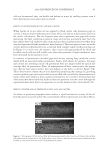
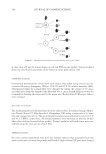
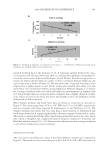
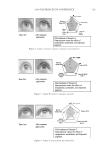
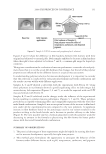
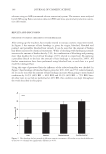
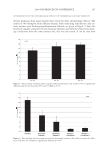
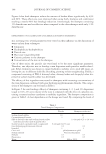
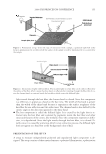
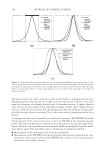
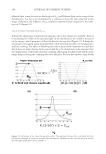
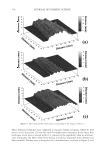
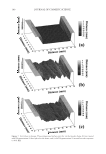
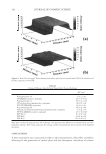
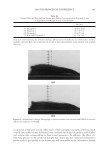
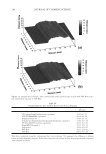
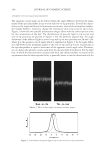
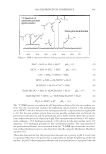
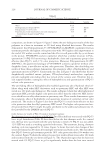
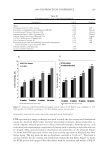
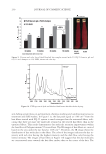
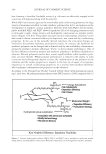
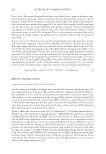
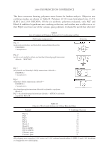
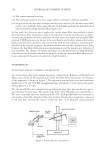
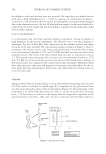
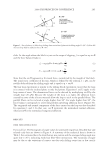
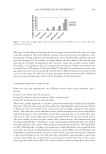
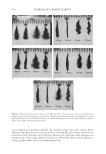
JOURNAL OF COSMETIC SCIENCE 154 SCIENTIFIC BACKGROUND POLARIZATION OF LIGHT Light can be described as an electromagetic vibrating wave that can be characterized by three main properties: O Its intensity: it is related to the amplitude of the light vibration. The higher the am- plitude of light vibration is, the more intense the light is. O Its spectrum: it is related to the frequency or wavelength of the light vibration. In the case of visible spectrum, red has a greater wavelength than blue. O Its polarization: it is related to the spatial orientation and coherence of the light vibra- tion. Light can be either polarized (the light vibration has a defi ned orientation) or depolarized. In this case, the light vibrates randomly. Along with intensity and spectrum, polarization of light carries abundant information (10–13) about the sample. Polarization is by far the less investigated of these three fun- damental properties of light, mainly because of the lack of polarization sensor. However, polarization fi nds important applications for visual appearance measurement. One crucial property of polarization is the modifi cation of the polarization of light after interaction with a sample. This modifi cation allows characterizing the interaction. In the case of macroscopic objects, the type of interaction between light and matter can be separated into two main categories: coherent interactions and incoherent interactions (Figure 1). Coherent interactions preserve polarization of light. They include refl ection and refrac- tion at an optical interface. Incoherent interactions destroy polarization of light. They include scattering and diffusion. For instance, if the illumination is polarized, the re- fl ected and refracted light will remain polarized while the scattered light will be depolar- ized. This fundamental property allows to measure independently the diffused light and the refl ected light. The independent measurement of those two components is of prime importance for cosmetic evaluation. INTERACTION OF LIGHT WITH HAIR FIBERS Hair has a very specifi c visual appearance (3,4,8,9,14,15). Hair fi bers can be considered as transparent and partially absorptive fi bers with small steps at its surface due to the hair cuticle. This structure causes the visual appearance of hair fi ber. It is widely accepted that hair visual appearance comes from 3 different interations of light with the hair fi bers re- sulting in three components of light (Figure 2): O The fi rst component is called the shine band. It is caused by the refl ection of the light on the surface of the hair fi ber. Since this component consists of an external refl ection, it remains polarized, it is “white” (more precisely of the same color as the illuminating light) and it appears as a band on the hair tress. The width of the band is determined by the roughness of the surface and the irregularities on the hair fi bers. The cuticle angle induces a shift of the shine band from the direction a refl ection would have on a fi ber without cuticle. O The second component is called the chroma band. It is caused by the refraction of the incident light in the hair fi ber and the refl ection on the back surface. Since this com- ponent only experiences refl ections and refractions, it remains polarized. Since the

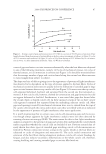
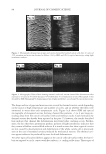
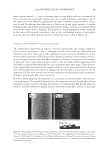
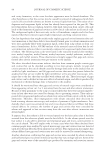
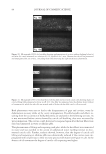
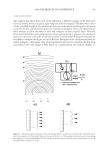
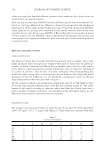
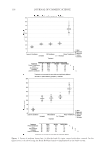
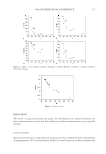
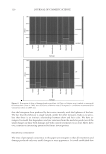
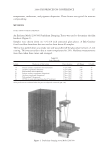
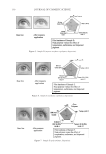
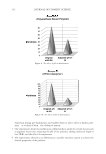
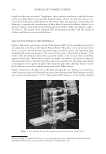
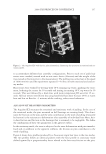
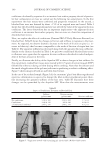
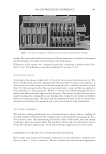
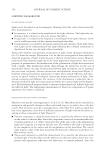
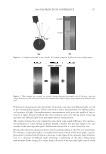
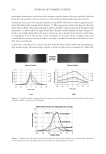
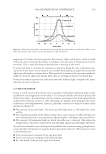
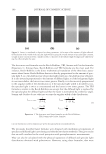
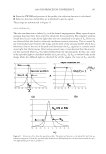
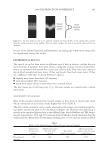
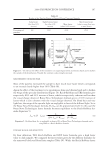
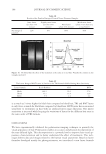
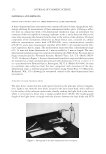
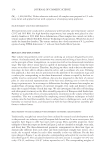
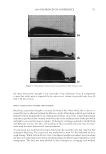
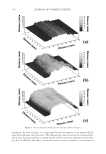
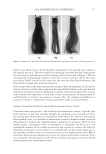
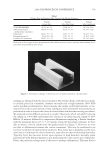
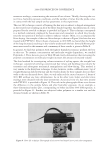
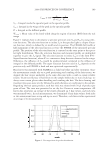
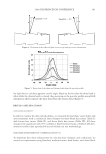
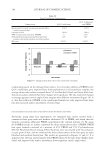
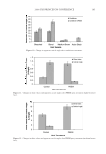
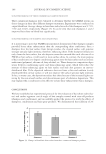
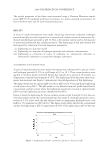
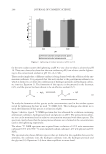
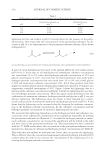
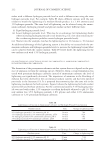
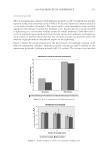
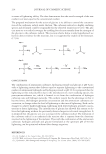
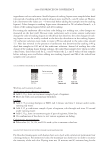
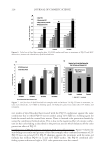
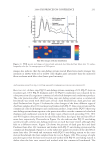
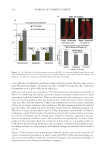
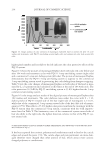
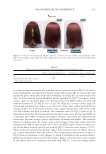
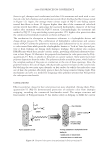
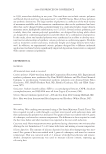
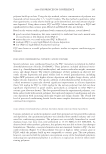
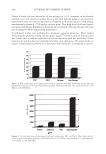
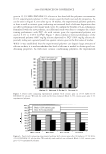
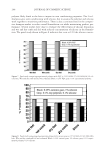
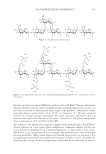
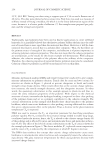
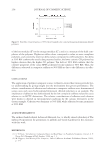
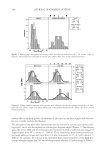
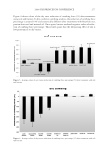
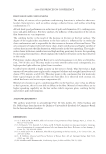
2008 TRI/PRINCETON CONFERENCE 155 light travels through the hair fi ber, the chroma band is colored. Since this component is a refl ection, it appears as a band on the hair tress. The width of this band is greater than the width of the shine band because it experiences the surface roughness of the hair fi ber for one refl ection and two refractions. The chroma band is also shifted by the cuticle angle in the direction opposed to the shine band. O The last component is called the diffused light. It is caused by the light that is re- fracted into the hair fi ber and scattered by pigments inside the hair fi ber and other structural features of the cortex, like medulla. Since this component experiences diffu- sion, it is depolarized. Since the light travels through the hair fi ber, it is colored. Fi- nally, since it is caused by scattering, which is not a directive process, the diffused light does not appear as a band but as the background color of hair. PRESENTATION OF THE SET-UP A setup to measure independently polarized and unpolarized light component is de- signed. The setup consists of three main elements: a polarized illumination, a polarization Figure 1. Polarization set-up. Given the type of interaction with a sample, a polarized light will either keep its polarization if it is refelected off the surface of the sample or will be depolarized if it is scattered by the sample. Figure 2. Interactions of light with hair fi bers. The incident light on a hair fi ber can be either: refl ected by the surface of the fi ber, which creates the shine band, or refl ected after traveling through the fi ber, which cre- ates the chroma band, or scattered inside the hair fi ber, which creates the diffused light.
Purchased for the exclusive use of nofirst nolast (unknown)
From: SCC Media Library & Resource Center (library.scconline.org)