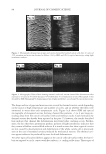
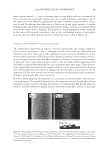
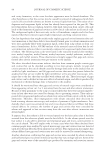
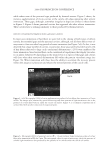
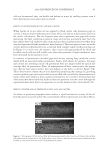
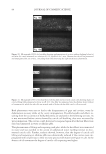
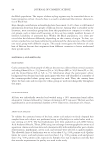
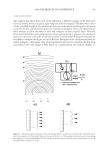
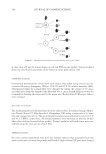
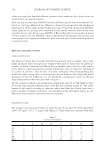
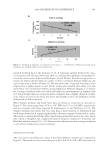
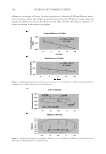
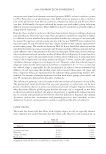
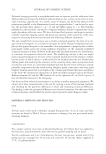
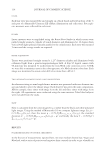
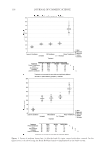
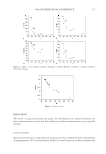
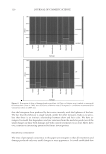
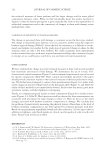
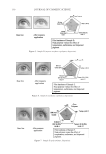
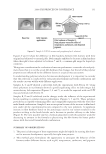
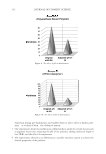
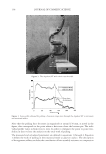
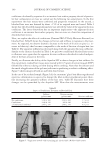
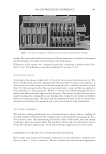
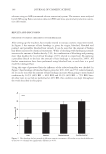
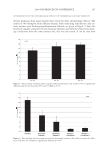
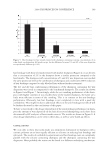
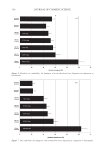
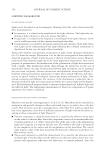
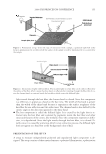
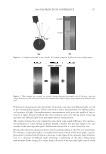
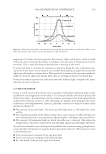
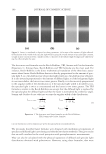
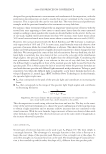
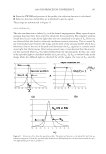
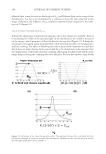
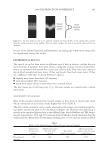
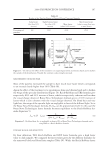
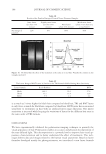
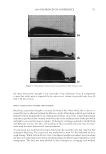
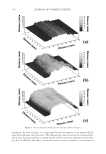
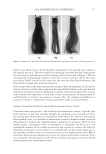
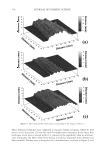
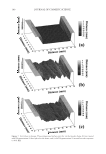
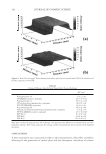
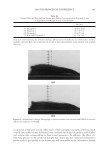
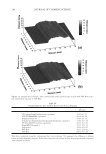
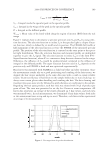
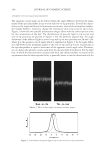
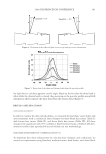
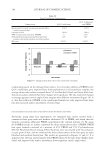
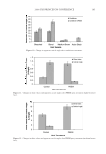
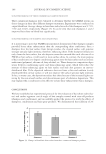
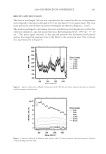
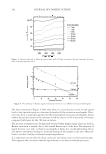
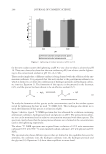
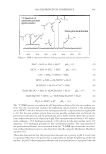
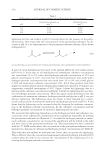
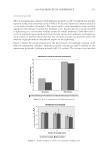
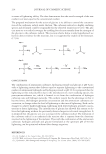
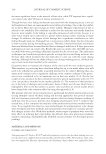
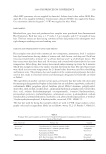
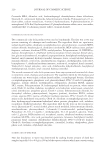
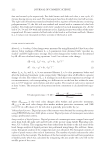
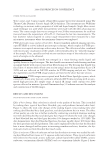
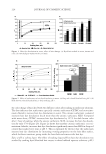
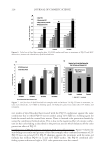
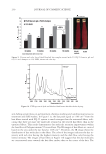
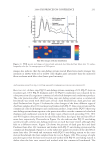
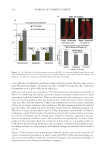
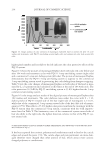
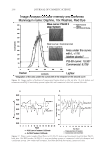
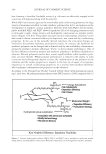
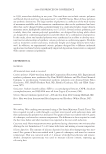
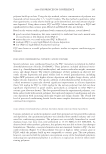
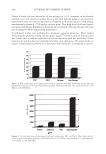
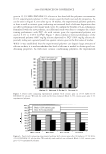
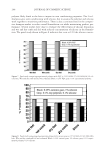
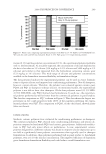
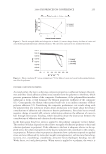
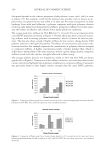
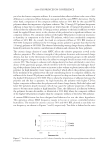
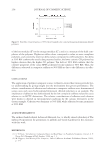
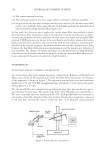
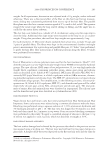
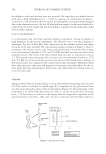
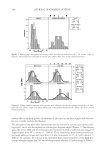
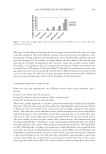
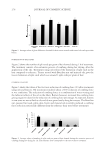
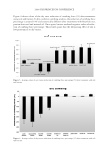
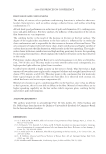
JOURNAL OF COSMETIC SCIENCE 158 main peak (meaning a reduction of the extreme surface defects that put specular light far from the main peak) or from a decrease of the diffused light (darkening of the hair). Further processing on the specular profi les using RGB information allows separating the shine band from the chroma band (Figure 7). This separation is based on the fact that the shine band is white. This fi nal separation allows complete characterization of the hair visual appearance. It shows that for light blond hair chroma totally dominates shine (Figure 8). In the case of light blond hair, the luster sensation comes mainly from chroma as the shine is negligible. It also shows that some treatment to increase shine overlaps shine and chroma which cause an increse of what is visually considered as the shine band but is actu- ally shine and chroma. It has been considered for a long time that only the fi rst surface refl ection was playing a role in hair luster. However these results as well as other recent research (16) show the Figure 6. Angular profi les computed from the images acquired by averaging along the width of the region of interest (ROI). (a) Specular. (b) Diffused. Figure 7. Extraction of the shine and chroma bands from the specular profi le for a red hair. This separation is based on the fact that the shine band is white while the chroma band is colored.

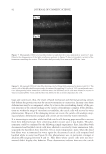
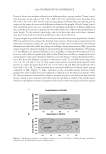
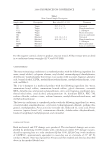
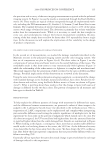
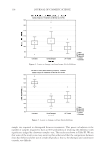
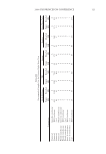
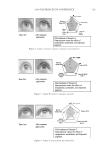
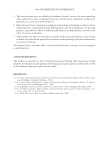
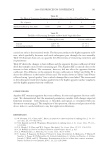
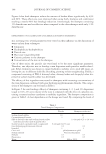
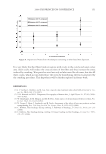
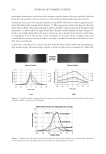
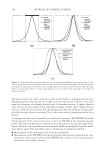
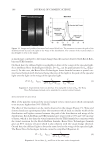
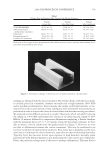
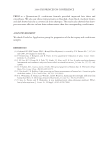
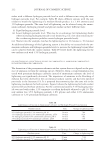
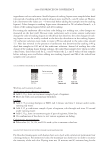
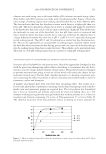
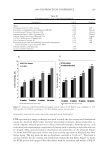
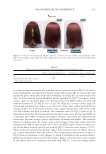
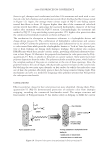
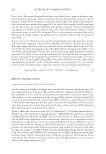
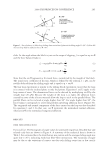
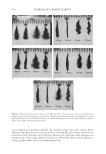
2008 TRI/PRINCETON CONFERENCE 159 importance of chroma in luster sensation. For instance, shine and chroma, which are both refl ections, move along the hair fi bers according to the direction of illumination and ob- servation. This is typically observed for hair that is moving in the wind. It seems that there is currently no consensus on the shine being the only component play- ing a role in hair luster. In our research, we consider them playing an equal role and use the whole specular light to estimate luster. This equal role is chosen as the eye cannot make the difference between shine and chroma when they are overlapped and for very blond hair. Polarization which separates the refl ections from the diffused light, simplifi es the quan- tifi cation of luster sensation. LUSTER PARAMETER Luster is a term used to describe the state or quality of shining by refl ecting light. Luster qualifi es the visual appearance of the object. It is strongly linked to the idea of quality and beauty of an object. Scientists have tried to compute a parameter that would quantify the visual luster sensation (1,2,8,17). But obtaining one number that quantifi es the luster sensation is not straightforward. Luster is generally considered to depend on three main parameters (Figure 9): O The amount of specular light. The more specular light there is, the higher the luster will be. O The distribution/width of the refl ected light. For a same amount of refl ected light, the more defi ned and more concentrated the refl ected light is, the higher the luster will be. O The amount of background light on which the refl ection is observed. The darker the background is, the more contrasted the specular light appears and the higher the luster. Several luster formulae were developed and published by scientists using goniophotom- eters and other instruments to quantify human perception of Luster. The parameters used in the formulae are: O S the total amount (integral) of the specular light O D the total amount (integral) of the diffused light O θ1/2 the width of the specular light distribution Figure 8. Extraction of the shine and chroma bands from the specular profi le for blond hair. There is less shine than chroma. The chroma can be even higher for light blond hair.
Purchased for the exclusive use of nofirst nolast (unknown)
From: SCC Media Library & Resource Center (library.scconline.org)