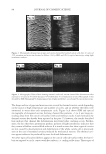
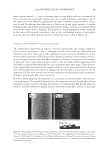
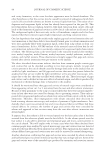
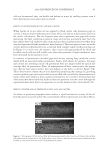
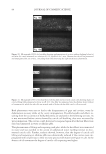
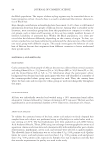
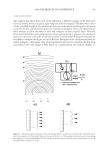
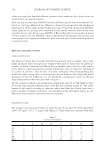
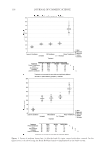
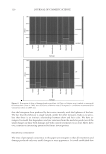
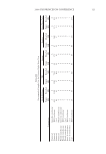
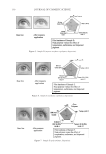
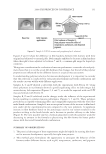
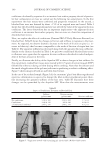
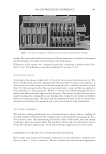
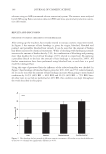
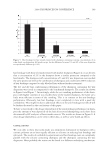
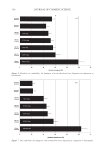
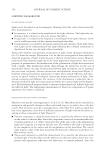
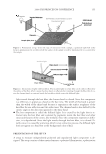
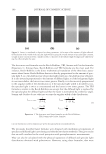
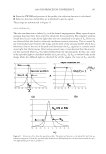
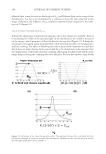
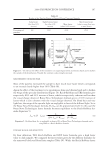
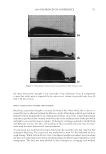
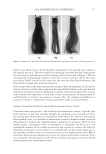
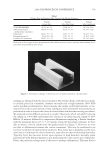
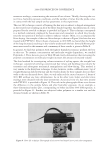
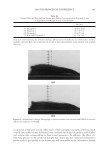
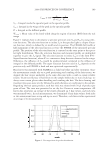
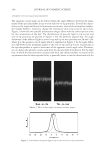
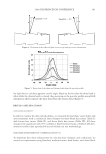
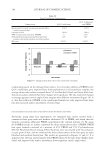
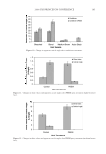
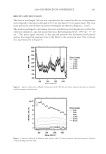
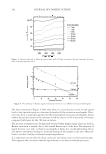
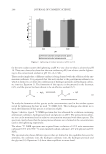
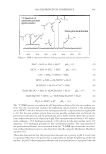
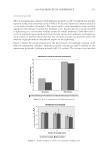
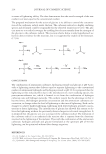
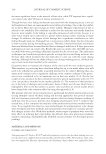
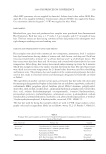
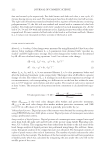
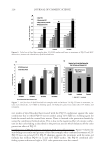
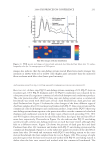
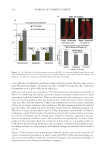
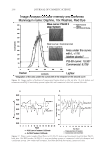
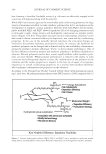
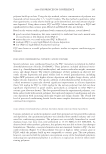
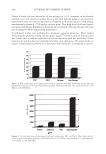
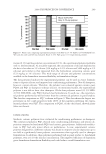
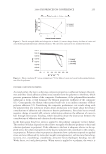
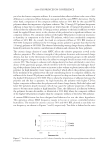
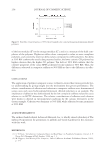
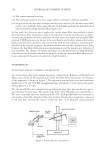
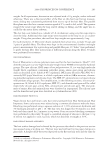
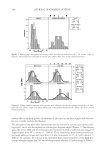
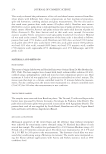
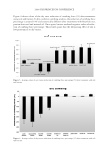
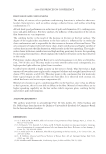
JOURNAL OF COSMETIC SCIENCE 92 Gaps and cavities are, thus, the result of harsh mechanical and thermal grooming stresses that deform the protein structure by excessive extension or contraction. In many cases these deformations may be accompanied, either, by a loss in the cross-linking density of the pro- tein structure or by cement breakage at the cuticle cell membrane complex. If the deforma- tions are within the range of viscoelastic reversibility, the cuticle cells will recover by water plasticization. However, if the damaging stresses are severe, the cuticle cells undergo creep- ing and plastic deformation and gaps and cavities are recovered by water immersion. It is interesting to note that, while buckled cuticle cells forming gaps were able to recover from their deformed state, their cementing didn’t recover once it was broken. This phe- nomenon could be confi rmed by the following simple experiment: First, hair fi bers with decemented and buckled cuticle cells were allowed to recover by water immersion. Sub- sequently, the hair fi bers were dried for 24 h at room temperature. Later, when the dried hair fi bers were re-immersed in water again the decemented cuticle cells reopened and buckled while in water (see Figure 8) this phenomenon was, in particular, stronger at alkaline pHs ranging between 9 and 11. Hair fi bers whose cuticle cells were not dece- mented didn’t display this behavior. These observations indicate that once the cuticle Figure 7. Micrographs (300×) of a hair fi ber before (a) and after (b) it was immersed in water for 3 min. Observe the disappearance of the light interference patterns in Figure 7b due to viscoelastic recovery of de- formations sustaining the cavities. The hair fi ber had previously been immersed in IPA for 3 min. Figure 8. Micrograph (250×) of a hair fi ber showing cuticle lifting while immersed in water at pH 10.0. The cuticle cells of this fi ber had been previously decemented by applying 10 cycles of 15% extension and retrac- tion. Subsequently, before immersion is alkaline water, the deformed cuticle cells were allowed to recover in water at neutral pH for 5 min. and the fi ber was allowed to dry at room temperature for 24 h.

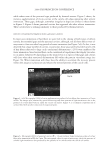
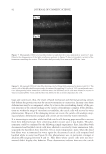
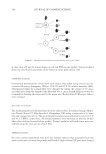
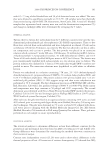
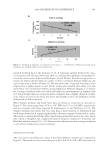
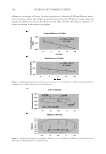
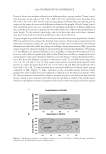
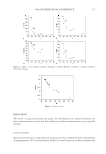
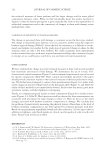
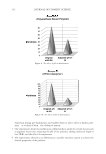
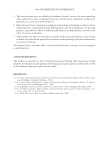
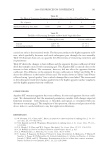
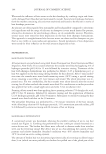
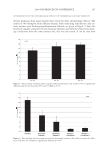
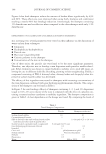
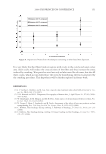
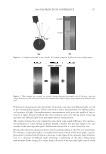
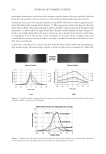
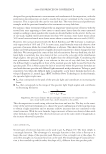
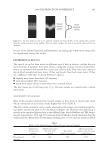
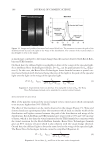
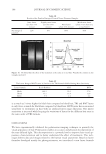
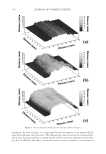
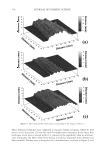
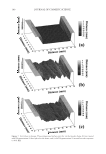
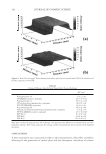
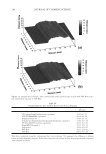
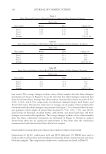
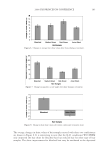
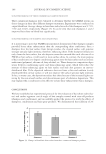
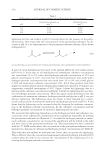
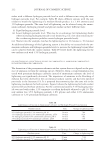
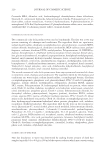
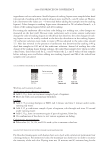
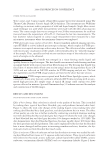
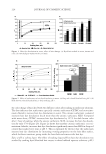
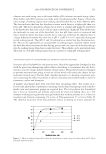
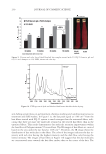
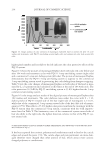
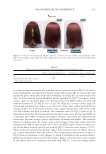
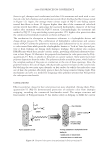
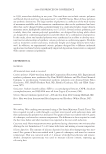
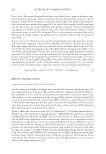
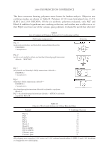
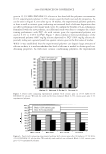
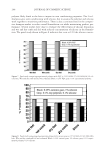
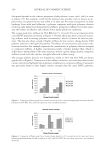
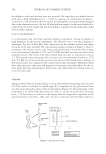
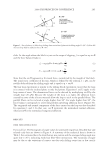
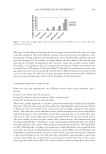
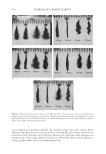
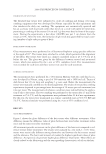
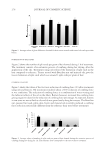
2008 TRI/PRINCETON CONFERENCE 93 cells are decemented, they can buckle and deform in water by swelling stresses even if their deformations were previously recovered. EFFECTS OF OIL PENETRATION INTO GAPS AND CAVITIES When Jojoba oil or any other oil was applied to lifted cuticle cells presenting gaps or cavities it did not lead to deformation recovery. Thus, oils did not induce plasticization of the cuticle cell proteins. The oils, however, were seen to penetrate into gaps and cavities destroying the light interference patterns. Gaps and cavities protruding away from the hair surface were still visible by optical microscopy after oil penetration even when their associated patterns of light interference were destroyed. This is as expected since air in the cavities has been substituted by oil a material with a higher index of refraction than air. In Figure 9 it can be seen, for instance, that cavities and gaps produced by lifted and buckled cuticle cells are still visible even when their patterns of light interference have been destroyed by the presence of oil. In contrast, oil penetration concealed gaps and cavities existing deep inside the cuticle sheath with no associated surface protrusions. Figure 10a,b shows, for instance, that gaps and cavities not involving cuticle cell protrusions were not longer visible by optical mi- croscopy after oil penetration. Thus, oil impregnation of these cavities gives the appear- ance that the hair surface doesn’t have any damage or any defect at all (see Figure 10b). These observations confi rm the previous hypothesis proposing that damage by grooming stresses produces gaps and cavities that later are fi lled and concealed by the penetration of lipids, either, from sebum or from cosmetic formulations. It is worth to mention here that other researchers have found that Jojoba oil does not penetrate into the cortex although the experiments here show that it can penetrate in cavities formed at the cuticle sheath (10). EFFECTS OF WATER AND OIL PENETRATION INTO GAPS AND CAVITIES As shown in previous paragraphs water induces a rapid mechanical recovery of the de- formed protein structure within the cuticle sheath, while oil penetrates into these defects. Figure 9. Micrographs (300×) of a hair fi ber with decemented and buckled cuticle cells before (9a) and after (9b) immersion in a solution of 0.1% Jojoba oil for 3 min. Observe that the oil has penetrated underneath the buckles or cavities but that the cuticle cell deformations remain.
Purchased for the exclusive use of nofirst nolast (unknown)
From: SCC Media Library & Resource Center (library.scconline.org)