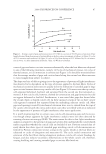
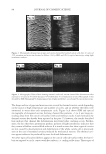
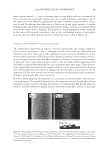
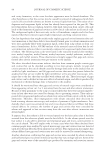
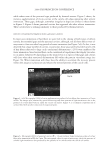
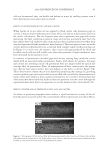
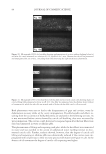
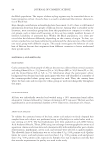
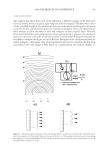
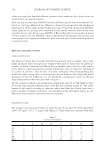
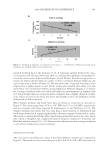
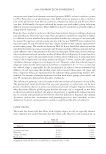
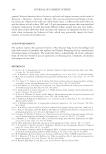
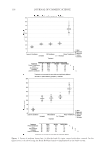
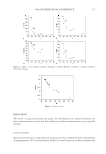
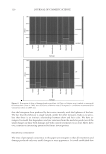
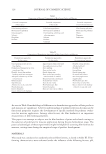
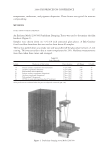
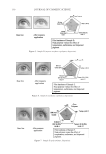
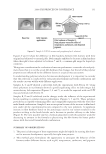
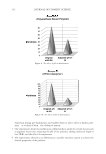
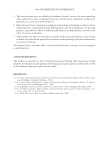
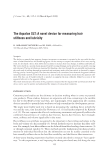
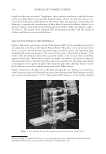
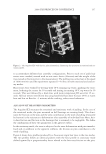
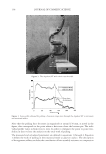
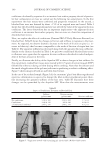
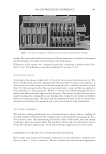
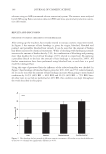
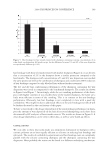
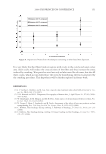
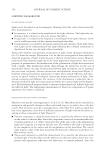
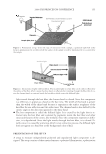
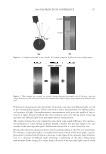
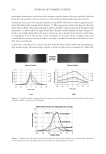
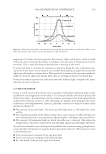
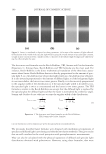
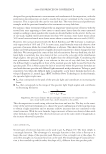
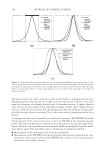
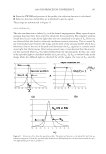
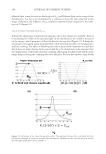
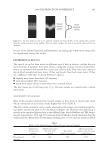
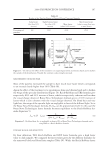
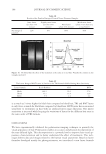
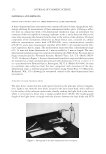
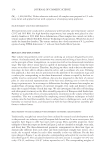
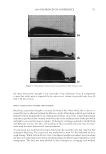
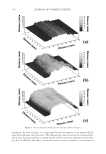
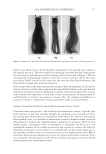
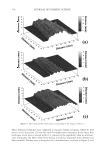
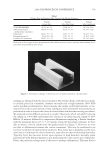
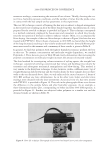
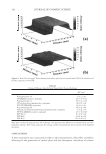
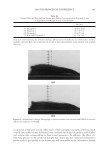
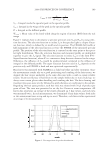
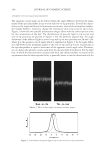
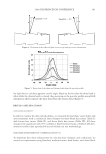
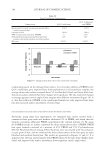
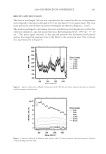
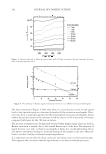
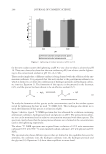
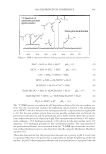
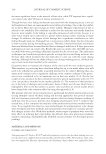
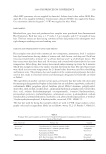
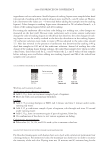
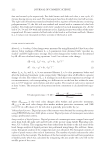
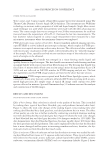
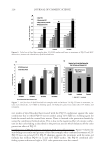
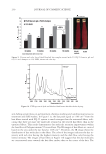
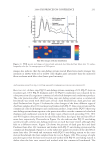
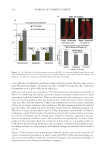
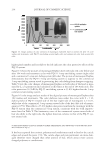
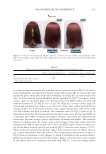
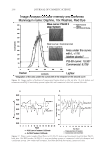
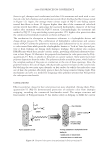
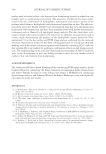
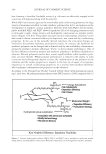
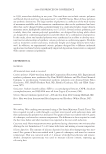
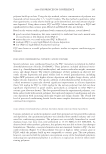
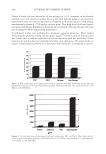
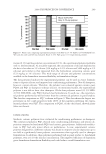
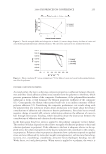
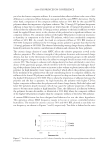
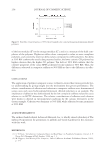
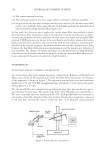
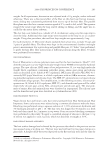
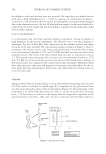
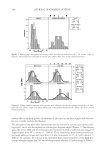
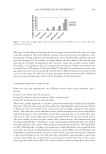
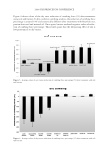
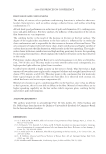
JOURNAL OF COSMETIC SCIENCE 190 APPARENT CUTICLE ANGLE MEASUREMENTS The apparent cuticle angle can be deduced from the angle difference between the maxi- mums of the specular profi les in tip-to-root and root-to-tip positions. To avoid the depen- dency on the origin and lower measurement uncertainty, instead of rotating hair samples, the sample holder is rotated to change the orientation from root-to-tip to tip-to-root. Figure 2 shows the two parallel polarization images taken with the same exposure time for two orientations of the hair. The distributions of specular light in tip-to-root and root-to-tip positions are plotted in Figure 3. For the perfectly aligned hair, the angle deviations of the refl ected light in root-to-tip and tip-to-root positions are 2α and –2α, where α is the apparent cuticle angle which is explained in Figure 4. So the angle differ- ence (β) between the maximum angles at the root-to-tip and tip-to-root orientations in the specular profi les is equal to four times of the apparent cuticle angle value. Therefore, we can deduce the apparent cuticle angle from the specular light distribution. For the light hair, of which the specular band contains both shine and chroma profi les, we found in the experiments that the data reproducibility is generally better to use the shine band only for Figure 2. Effect of hair sample orientation on shine images. Figure 3. Distribution of specular light at tip-to-root and root-to-tip orientations.

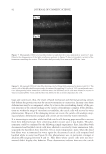
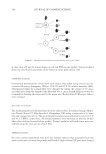
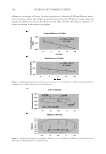
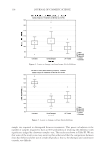
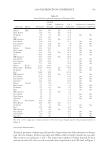
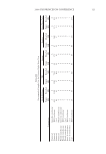
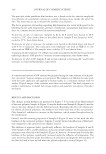
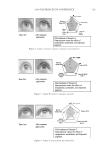
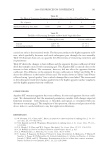
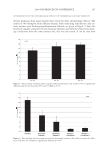
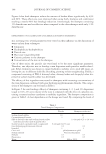
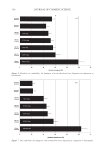
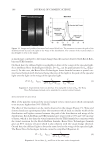
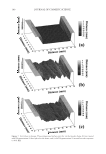
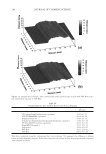
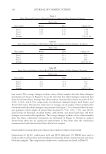
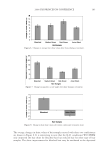
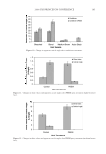
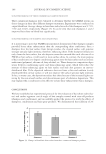
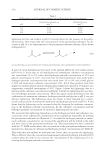
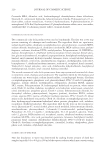
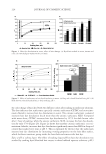
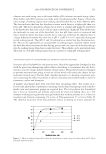
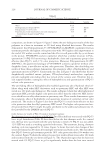
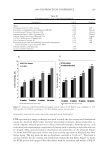
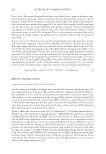
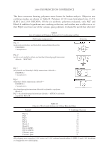
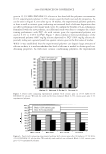
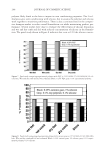
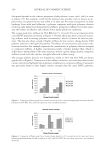
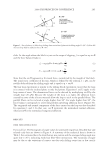
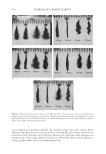
2008 TRI/PRINCETON CONFERENCE 191 Figure 4. Deviation of the refl ected light at root-to-tip and tip-to-root orientations. Figure 5. Extraction of the shine and chroma bands from the specular profi le. the light hair to calculate apparent cuticle angle. Based on the fact that the shine band is white while the chroma band is colored, the processing on the specular profi les using RGB information allows separate the shine band from the chroma band (Figure 5). RESULTS AND DISCUSSION DATA REPRODUCIBILITY In order to examine the data reproducibility, we measured the hair shine values before and after treatments with a commercial shine shampoo for three blond hair tresses (Table I), dark brown hair tresses (Table II), and Asian black hair tresses (Table III). All these changes were signifi cant with 95% confi dence. Experimental results in Tables I–III dem- onstrate excellent data reproducibility and validate our test methodology. HAIR SHINE ENHANCEMENT BY COMMERCIAL PRODUCTS To determine hair shine enhancement by selected shine shampoo and conditioner, we carried out experiments using bleached, medium brown, dark brown, and Asian black
Purchased for the exclusive use of nofirst nolast (unknown)
From: SCC Media Library & Resource Center (library.scconline.org)