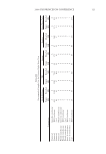
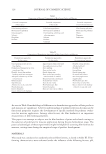
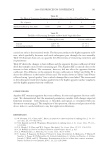
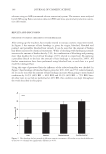
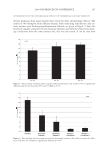
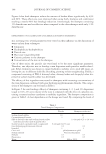
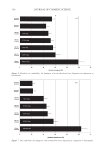
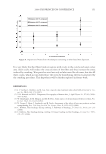
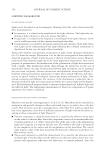
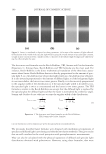
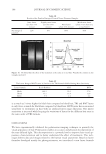
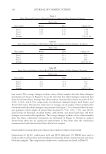
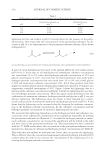
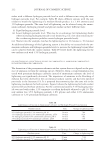
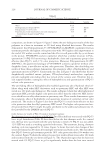
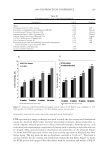
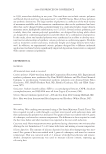
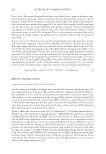
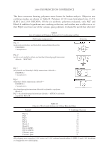
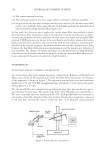
JOURNAL OF COSMETIC SCIENCE 188 EXPERIMENTAL MATERIALS O PPG-3 benzyl ether myristate (Trade name: Crodamol STS, Croda Inc., Edison, NJ) O Quaternium-91 conditioners (compositions listed in Table IV), Croda Inc., Edison, NJ O Commercial shine shampoos and conditioners O Blond, medium brown, dark brown, Asian black, and light bleached hair (Interna- tional Hair Importers, Inc, New York) HAIR SAMPLE PREPARATION Hair cleaning. Hair tresses, about eight inches in length, one inch in width and approxi- mately 7.5 grams in weight, were washed and air-dried overnight as follows: O Immerse the hair tress into 200 ml isopropyl alcohol (IPA) for 10 minutes keeping the wax strip out of solvent. O Soak hair tress in 1.6% sodium laureth sulfate (SLES) warm solution (50°C) for 30 minutes keeping wax strip out of soak solution while getting as much hair as possible in solution. O Rinse each tress with tap water to fully remove previously used washing solutions. O Wash hair tress with 1 ml of 16% SLES solution for 1 minute then rinse under running water for 30 seconds. Repeat this step 2 times. O Rinse each hair tress in tap water to remove remaining SLES. O Air-dry at room temperature (25°C) overnight. Hair treatment. Shampoo and/or conditioner treatment procedures were conducted as follows under strictly controlled conditions: O Weigh and record weight of each tested hair tress (including the glue wax). O Calculate the weight of applied product to each single hair tress using the weight ra- tion of 7.5 to 2 (2.0 grams of product applied to 7.5 grams of hair). O Wet the hair tresses and massage the product through the hair tress (both sides) using fi ngers (with a latex glove) and leave the product on the hair surface for 3 minutes. O Prepare 2000 ml of deionized water in a glass beaker dip the treated hair tress into the water for 5 cycles. Squeezing out extra water using fi ngers before dipping in the water for the next cycle (5 cycles of dipping and squeezing). Repeat this step 2 times. O Allow hair tresses to dry overnight at room temperature (25°C). HAIR SHINE MEASUREMENTS Luster values have been characterized by hair care scientists using classical gloss me- ter, shine box, goniophotometers, and other instruments to tentatively quantify human perception of hair shine (4–6). SAMBA software calculated different luster formulas such as Reich-Robbins, TRI, Stamm, Guiolet and Bossa Nova Technologies (BNT) simultaneously. In this paper, we used BNT luster (LBNT) formula for data analysis, which is a Reich-Robbins formula adapted to polarization measurement. LBNT is defi ned as:

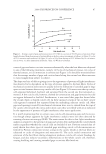
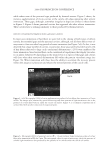
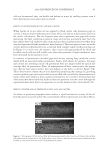
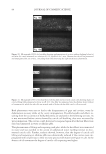
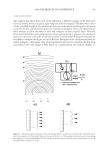
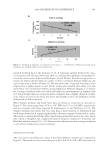
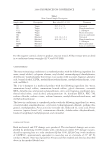
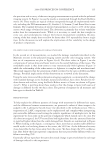
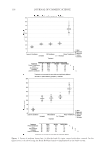
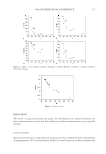
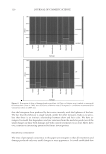
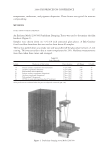
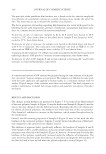
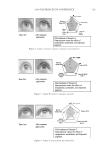
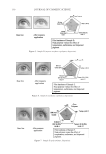
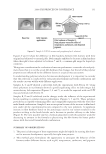
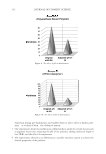
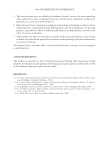
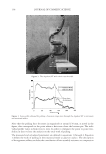
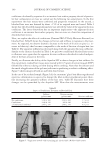
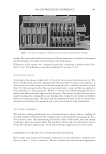
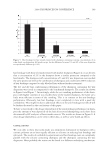
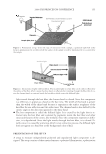
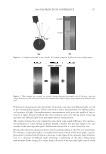
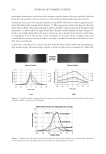
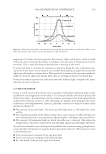
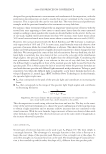
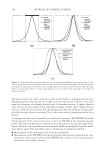
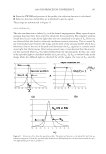
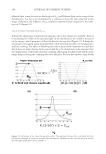
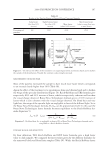
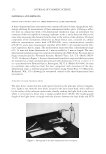
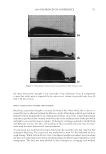
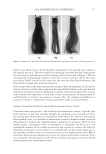
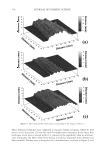
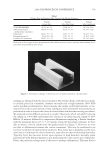
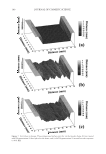
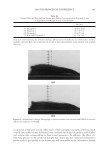
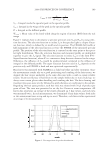
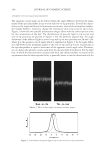
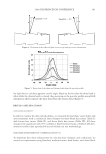
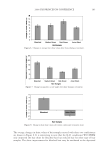
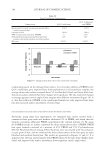
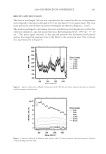
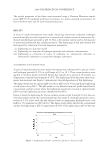
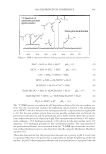
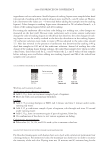
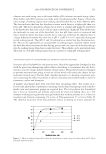
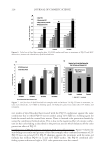
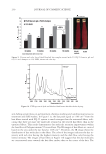
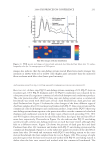
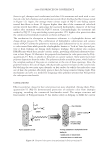
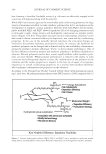
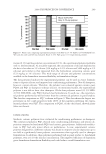
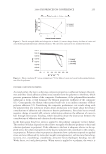
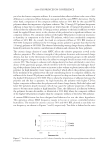
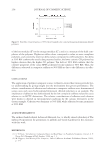
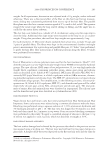
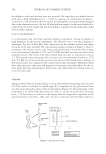
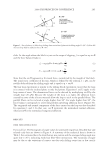
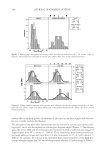
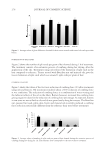
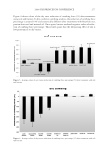
2008 TRI/PRINCETON CONFERENCE 189 D Sout L BNT Sin Wvisual = + 100* 1 * Sin = Integral inside the specular peak in the specular profi le Sout = Integral in the wings of the peak in the specular profi le D = Integral in the diffused profi le Wvisual = Mean value of the band width along the region of interest (ROI) from the real image Figure 1 explains how to decompose a specular spectrum into Sin and Sout by using selec- tion functions. The selection function to isolate Sin in the specular light is a Super Gauss- ian function, which is defi ned by its width and its position. The FWHM (full width at half maximum) of the selection function is twice the FWHM of the measured specular profi le. The position of the selection function is centered on the same point as the specu- lar light distribution. Then the selection function and measured profi le are multiplied together to give the Sin signal. The selection function to isolate Sout is of the form K*(1- Super Gaussian function), where K is a constant to keep the ratio observed in the wings. Otherwise, the infl uence of Sout would be underestimated compared to the infl uence of integral in the diffused profi le. The super Gaussian function used in Sout depends on the position only, and FWHM is fi xed and was optimized experimentally. Hair luster was measured with SAMBA in a dark box before and after treatment. Since the measurement results rely on a good positioning and combing of the hair tresses, we aligned the hair tresses uniformly in the same direction with a comb to ensure reliable results. To prevent fl yaway of hair fi bers on the sample holder due to static build up, we always wear cotton gloves when handling and combing the hair. The hair cleaning and treatment processes were strictly followed to apply shampoo or conditioner to the sample. Regarding the hair spray product, each hair tress was treated with 50 μl of product per gram of hair. The tress was permitted to air dry for 4 hours at room temperature. All luster data represents an average of the results obtained on 3 hair tresses, and each tress was measured twice. In each measurement, we determined 4 hair shine values: both sides at two orientations (root-to-tip and tip-to-root). Therefore, each luster value represented an average of 24 measurements. Figure 1. Decomposition of specular distribution.
Purchased for the exclusive use of nofirst nolast (unknown)
From: SCC Media Library & Resource Center (library.scconline.org)