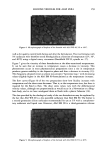
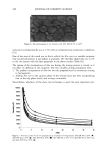
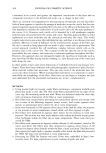
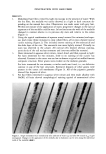
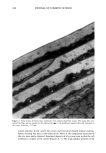
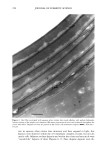
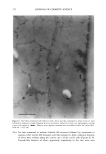
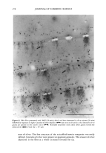
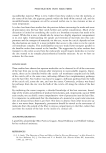
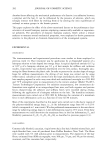
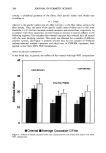
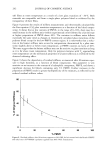
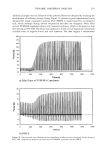
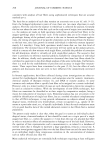
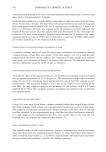
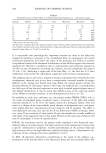
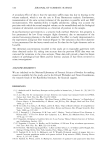
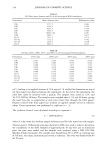
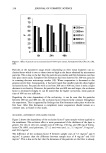
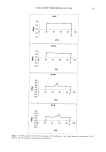
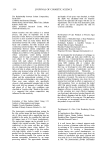
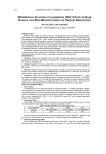
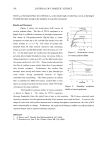
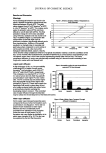
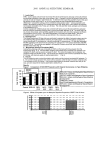
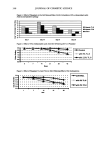
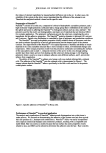
274 JOURNAL OF COSMETIC SCIENCE Figure 8. Hair fiber pretreated with NaCI (30 min), dried, and then immersed in silver nitrate (30 min) followed by exposure to light. Cascades of silver deposits (.•,-•) are seen in all cuticle cells. Extensive silver grains are present in the cuticle cmc's (•). Extended treatment times show silver grains within the endocuticle (•mm). Scale bar = 0.5 }•m. ence of silver. The fine structure of the microfibril/matrix composite was easily defined. Granules of silver were present on pigment granules. The amount of silver deposited in the fiber as a whole increased towards the tip.

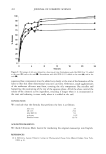
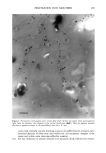
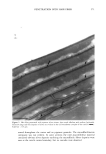
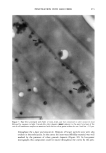
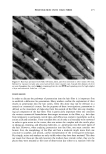
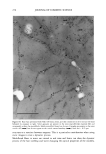
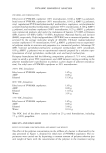
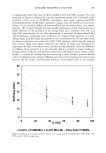
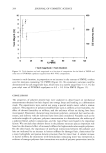
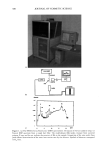
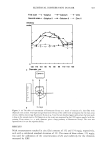
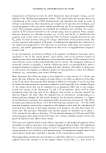
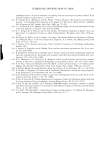
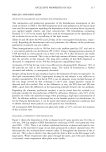
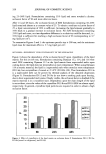
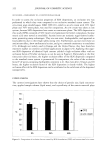
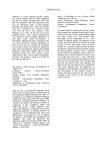
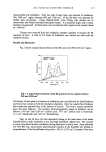
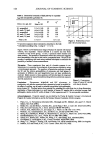
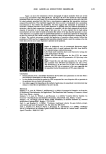
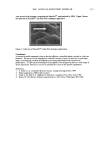
PENETRATION INTO HAIR FIBER 275 . . • _ :. . -... . . ... ..... -.... .... % "k -. -' : ' '" ? X' ' .. .. • . • '-•... ..... ...... . .. :... . Figure 9. Root hair pretreated with NaCI (•0 rain), dried, and then immersed in silver nitrate (•0 rain), followed by exposure to light •lus uranyl acetate/lead ci•ra•e counter stain. Cascade-like deposits of silver are seen throughout the cuticle (•), emanating from the cmc (•) and s•reading into the high-sulphur a-layer and ex•uticle. Scale bar = 0.5 DISCUSSION In order to discuss the pathways of penetration into the hair fiber it is important first to establish a definition for penetration. Many workers confine the explanation of their results to penetration into the hair cortex, when this alone may not be relevant in a research or commercial context. For the purposes of these investigations, penetration is defined as the movement of molecules from the outside of the fiber into any morpho- logical component of the hair fiber. This is particularly important when one considers the various commercial formulations that target structures in the fiber, e.g., hair dyes from temporary to permanent, textile dyes, and efficacious cosmetic ingredients such as amino acids and ceramides. If one considers the cuticle only as a boundary to be traversed in order to gain access to the cortex, then one misses the complex role the cuticle plays in taking up, retaining, and releasing molecules, i.e., penetration into the outer layers of the hair. However, when studying penetration into the fiber, one must consider two factors: first, the morphology of the fiber and how a molecule might move from one structure to another, and second, careful interpretation of the investigative technique. Put simply, stains and markers are only visible where they have been retained. This does not mean that these are the only locations the markers have visited rather, they are the places they were retained at the time of observation due either to a reaction with the
Purchased for the exclusive use of nofirst nolast (unknown)
From: SCC Media Library & Resource Center (library.scconline.org)