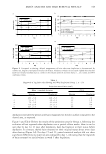
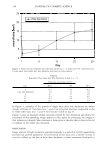
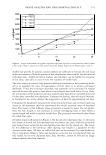
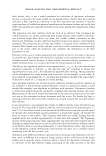
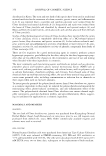
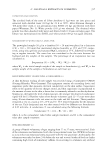
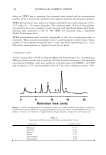
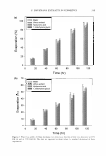
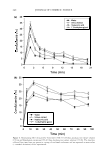
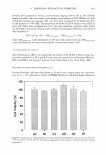
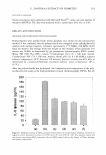
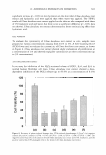
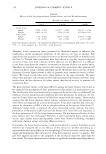
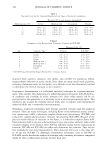
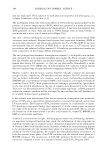
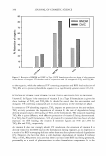
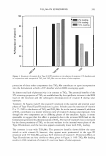
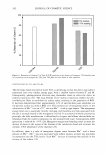
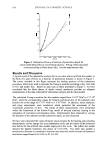
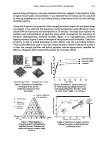
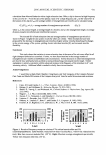
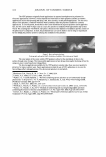
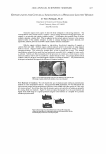
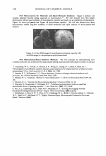
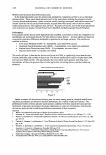
U. DA VIDIANA EXTRACTS IN COSMETICS 365 significant increase (p 0.05) in skin hydration on the skin when U Imus davidiana root extract and hyaluronic acid were applied than when water was applied. The TEWl results of U Imus davidiana root extract applied on the skin are also compared with those of 1 % hyaluronic acid and water, but there is not a significant difference (p 0.05, data not shown). U Imus davidiana root extract demonstrates a better moisturizing effect than hyaluronic acid. CELL VIABILITY To evaluate the cytotoxic1ty of U Imus davidiana root extract in vitro, samples were prepared at various concentrations ranging from 0.1 % to 3%. A Cell Counting Kit-8 (CCK-8) was used to evaluate the cytotoxicity of U !mus davidiana root extract, as shown in Figure 4. U Imus davidiana root extract showed slight stimulation of proliferation at a concentration of 1 % and showed negligible cyroroxicities at other concentrations (up to 3% concentration). ANTI-INFLAMMATORY EFFECT In an assay for inhibition of the H 2 Oractivated release of PGE2, 11-6, and 11-8 in normal human fibroblast cell lines, U Imus davidiana root extract showed a dose dependent inhibition of the PGE2 release (up to 85.9% at a concentration of 0.1%) 120 100 .-. � 80 0 .._. ..c 60 m Q) 40 t) 20 0 (a) (b) (c) (d) (e) (f) Figure 8. Recovery of photo-induced damage after UVA-induced photodamage (3 J/cm2): (a) negative control (b) positive control (c) UVA + 0.5% (d) UVA + 1.0% (e) UVA + 2.0% (f) UVA + 3.0%. The negative control was cells in the absence of both V Imus davidiana root extract and UV A irradiation, and the positive control was UVA-damaged cells in the absence of V Imus davidiana root extract.

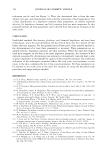
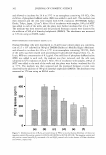
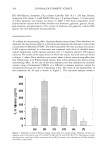
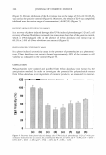
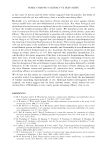
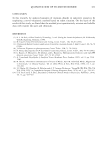
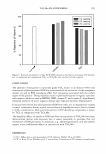
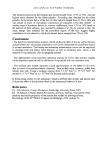
366 JOURNAL OF COSMETIC SCIENCE (Figure 5). Percent inhibition of the IL-6 release was in the range of 45.6---64.5% (H 2 0 2 was used as the positive control) (Figure 6). Moreover, the release ofIL-8 was completely inhibited over the entire range of concentration (0.0025%) (Figure 7). RECOVERY FROM PHOTO-INDUCED DAMAGE In a recovery of photo-induced damage after UVA-induced phorodamage (3 J/cm2 ), cell recovery of human fibroblasts increased two times more than that of the positive control, which is UVA-damaged cells in the absence of Ulmus davidiana root extract (up to 60.2% at 3.0% of Ulmus davidiana root extract) (Figure 8). PHOTO-INDUCED CYTOTOXICITY ASSAY In a photo-induced cytotoxicity assay in the presence of promethazine as a photosensi tizer, U Imus davidiana root extract showed approximately 48% of the increase in cell viability as compared to the control (Figure 9). CONCLUSION Polysaccharides were isolated and purified from U Imus davidiana root extract by the precipitation method. In order to investigate the potential for polysaccharide extract from U Imus davidiana as an ingredient of cosmetic products, we measured its moistur- 120 100 80 :.a 60 (IJ 40 t) 20 0 (a) (b) (c) (d) (e) (f) (g) (h) Figure 9. Recovery from photo-induced damage after UVA-induced photodamage (3 J/cm2) with pro methazine hydrochloride: (a) control (b) promethazine· HCl (P) (c) UV A (d) P + UVA (e) P + UVA + 0.5% (f) P +UVA+ 1.0% (g) P +UVA+ 2.0% (h) P +UVA+ 3.0%.
Purchased for the exclusive use of nofirst nolast (unknown)
From: SCC Media Library & Resource Center (library.scconline.org)