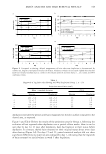
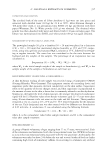
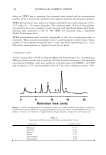
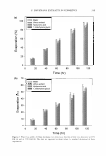
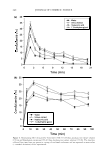
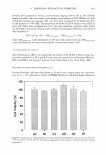
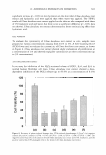
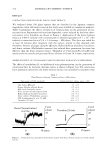
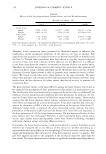
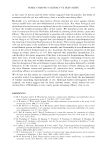
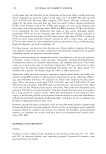
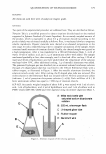
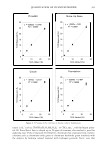
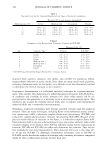
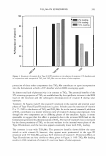
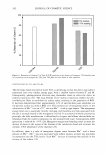
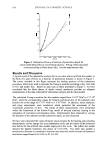
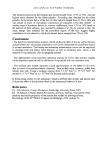
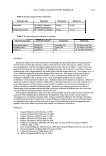
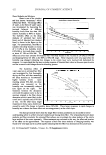
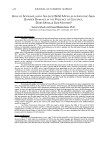
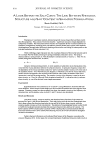
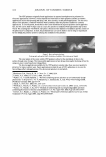
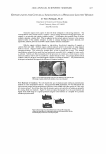
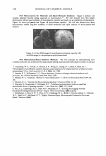
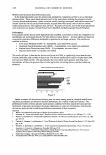
372 JOURNAL OF COSMETIC SCIENCE RESULTS CONTRACTION FORCE INDUCED BY VARIO US PLANT EXTRACTS We evaluated about 100 plant extracts that are described in the Japanese cosmetic ingredients codex. All extracts used in this study were available as commercial products. Table I summarizes the effects of extracts of various plants on the generation of con traction forces. Representative force/time-dependent curves induced by the horse chest nut extract or by thrombin are shown in Figure 1. Application of the horse chestnut extract at 0.001 % (residue wt%) concentration to dermal equivalents (of 3 x 10⁵ cells) induced a contraction force of 9.0 ± 2.6 (average ± SD) dynes. This force was stable for at least 30 minutes after treatment with the extract, similar to that obtained with thrombin. Extracts of ginger (Zingiber officinale), Baikal skullcup (Scutellaria baicalensis), and Amur corktree (Phellodendron arnurense) also induced force generation, but were less effective than the horse chestnut extract. Thrombin (2 U/ml) and LPA (20 µM) were used as positive controls and generated forces of about 30.0 and 14.S dynes, respectively. INHIBITORY EFFECT OF CYTOCHALASIN D AND FLUORESCENCE MICROSCOPY OF STRESS FIBERS The effect of cytochalasin D, an inhibitor of actin polymerization, on the generation of contraction force by the horse chestnut extract is shown in Figure 2(a). The contraction force generation induced by the horse chestnut extract was cancelled by treatment with Table I Plant Extracts Inducing Contraction Force of Fibroblasts Plant extract (0.001 residue%) Sage (Salvia officinalis) Ginger (Zingiber officinale Roscoe) Milk vetch (Astragalus sinicus) Horse chesnut (Aesculus hippocastanum) Baikal skullcup (Scutellaria baicalensis) Amur corktree (Phellodendron amurense) LPA (Lisophosphatidic acid, 20 µM) Thrombin (2 U/ml) Horse Chesnut Extract (0.001 ° 0 (a) Force (dyne) 10 5 0 30 (min) Contraction force (dynes, mean ± SD) 1.9 ± 2.6 6.7 ± 3.8 1.5 ± 1.3 9.0 ± 2.6 6.9 ± 5.5 8.6 ± 2.6 14.5 ± 5.5 30.0 ± 3.5 Thrombin(2U/ml) 0 (b) Force (dyne) 40 20 0 30 (min) Figure 1. Contraction force generation of fibroblasts treated with horse chesnut extract (a) or with throm bin (b).

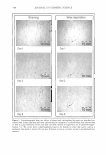
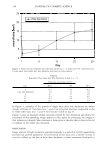
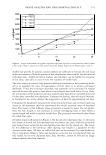
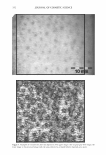
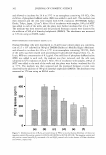
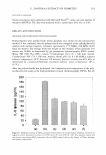
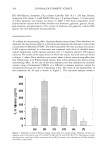
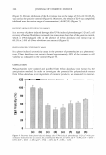
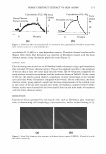
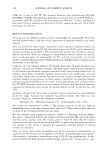
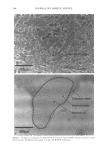
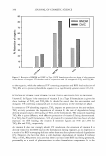
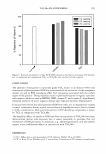
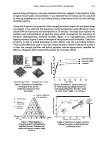
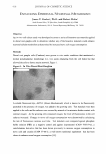
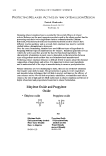
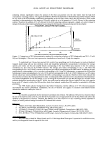
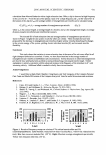
HORSE CHESTNUT EXTRACT VS SKIN AGING Cytochalasin D (2 µ M Force Horse Chesnut ! (dyne) Extract (0.001 %) I 0 0 ! _--11lllllll',..,.,,. 5 0 30 (min) (a) Cytochalasin D (2 µ M) Thrombin (2U/ml l 0 30 (min) (b) 373 Force (dyne) 40 20 0 Figure 2. Inhibitory effect of cytochalasin D on contraction force generated by fibroblasts treated with horse chesnut extract (a) or with thrombin (b). cytochalasin D (2 µM) in a time-dependent manner. Thrombin showed similar results (Figure 2(6)). Stress fiber formation was observed in fibroblasts treated with the horse chestnut extract using rhodamine phalloidin stain (Figure 3 ). CLINICAL TESTS Clinical testing was carried out on 40 healthy female volunteers using a gel formulation that included 3% horse chestnut extract. The gel was applied topically to the periphery of the eye skin at least two times daily for nine weeks. All 40 volunteers completed the study without irritation or erythema, and the results are shown in Table II. At the corner of the eye, the placebo group showed a significant increase (worsening) in the wrinkle score after nine weeks of treatment compared with O weeks. On the other hand, the horse chestnut extract group showed a significant decrease (improvement) of the wrinkle score at the corner of the eye after six and nine weeks of treatment compared with O weeks. Similar results were obtained for the lower eyelid after six and nine weeks of treatment with the horse chestnut extract. DISCUSSION Contraction forces generated by non-muscle cells, such as fibroblasts, play important roles in determining cell morphology, vasoconstriction, and/or wound healing (1-3). (a) (b) Figure 3. Stress fiber formation after treatment with horse chesnut extract (0.0003%, 10 min) (a) or with the vehicle control (b).
Purchased for the exclusive use of nofirst nolast (unknown)
From: SCC Media Library & Resource Center (library.scconline.org)