378 JOURNAL OF COSMETIC SCIENCE by the ozone layer and absorbed in the atmosphere of the earth. Only a small percentage of UV radiation can reach the surface of the earth: 0.1 % of UVB (290-320 nm) and 4.9% of UV A (320-400 nm). Most energetic UVC (below 290 nm) is filtered com pletely by the ozone layer and does not reach the earth's surface. Shorter-wavelength UVB is more energetic than UVA. UVB's high energy can cause severe erythema and skin cancer and sometimes brings about DNA and RNA mutation. UVB is also known to be responsible for skin thickening that leads to skin aging. Although longer wavelength UVA rays are less energetic than those of UVB, the irradiance amounts of UVA within terrestrial sunlight are 100 times greater than that of UVB. In addition, UVA can more easily penetrate stratum corneum, as well as water, glass, and cotton. UVA has been shown to cause immediate tanning, photosensitizing, and photoaging. Repeated exposure can lead to erythema. (1). For these reasons, sun protection has become one of main market categories for beauty care products. Thus there are many commercial sun-protection cosmetics on the market containing organic or inorganic sunscreen agents. Organic sunscreen agents are conjugated aromatic chromophores, such as octyl methoxy cinnamate, p-amino benzoic, octyl salicylate, homosalate, methoxydibenzylmethanes, benzophenone derivatives, menthyl anthranilates, and camphor derivatives. These mol ecules go to an excited state by absorbing high-energy UV rays, and return to their ground state by emitting longer-wavelength low-energy rays (2). Each organic UV absorber has a specific wavelength range for which it offers protection. Chemically stable and inert inorganic sunscreens, usually metal oxides, are widely em ployed in high-SPF products (3 ). They protect skin from the sun by reflecting, diffract ing, and sometimes absorbing UV radiation (4). These metal oxides have many advan tages. They can protect from both UVA (320-400 nm) and UVB (290-320 nm) effectively and can impart high SPF values at relatively low concentration levels. Most of all, they are less allergenic than organic sunscreens. One of the most frequently used inorganic UV filters is titanium dioxide. Titanium dioxide has been used as a pigment for a long period of cosmetic history. With the development of micronization tech niques, it has become possible to incorporate titanium dioxide in sunscreen formulations without the previously experienced whitening effect, and hence its use in cosmetics has become an important research topic (5 ,6). However, in point of analytical research, there are very few works related to quantitation of titanium dioxide in sunscreen products. In this article, we investigate ways to quantify titanium dioxide in cosmetics by titration. To examine the feasibility of the proposed method, we compared the results with data from an instrument-based analysis tech nique, ICP-AES. MATERIALS AND METHODS SAMPLES Cosmetics (cream, make-up base, foundation, and powder) containing 1 %, 5%, 10%, and 25% of titanium dioxide, were separately prepared. Commercial cosmetics were purchased from the market.

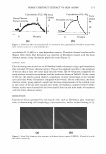
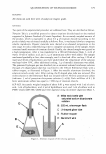
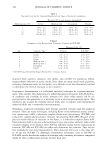
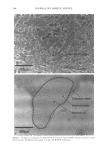
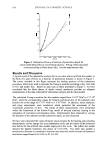
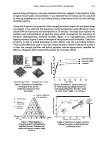
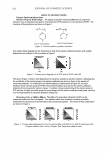
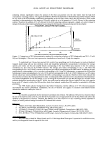
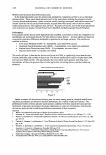
QUANTITATION OF TITANIUM DIOXIDE 379 REAGENTS All chemicals used here were of analytical reagent grade. METHODS Two parts of the experimental procedure are addressed here. They are described as follows. Titration. This is a modified protocol to detect titanium dioxide based on the method suggested in Japanese Standards of Cosmetic Ingredients. An accurately weighed amount of the product, which is equivalent to about 0.2 g of titanium dioxide (according to the product label), was calcinated carefully as follows: First, it was heated slowly to evaporate volatile ingredients. Organic materials were charred at an elevated temperature in the next stage. It took a relatively long time to complete calcinations of the sample, which contained small amounts of titanium dioxide. Finally, the charred sample was ignited at a high temperature. After it was transferred to a 500-ml Erlenmeyer flask, 3-4 ml of water, 30 ml of sulfuric acid, and 12 g of ammonium sulfate were added. The sample was heated gradually at first, then strongly, until it dissolved. After cooling, 120 ml of water and 40 ml of hydrochloric acid were added while the temperature of the solution was kept below 50°C. After additional cooling, 3 g of metallic aluminum was added. The generated hydrogen gas was absorbed into a saturated sodium bicarbonate solution through a U-shaped glass tuqe that was fitted to the 500-ml Erlenmeyer flask with a rubber stopper, as illustrated in Figure 1. After the metallic aluminum dissolved, the solution turned a violet color. After cooling, the U-shaped glass tube was removed. The violet solution in the Erlenmeyer flask was titrated with 0.1 N ferric ammonium sulfate (indicator: 3 ml of potassium thiocyanate solution (1➔10)). Each milliliter of 0.1 N ferric ammonium sulfate was equal to 7 .988 mg of titanium dioxide. ICP-AES. Accurately weighed samples of about 0.05 g were mixed with 3 ml of nitric acid, 1 ml of hydrochloric acid, 2 ml of hydrofluoric acid, and 1 ml of sulfuric acid in PTFE vessels (XPl 500, CEM) and were digested using microwave digestion (Mars 5, A: Wide neck bottle with saturated sodium bicarbonate solution B : 500-ml erlenmeyer flask C : LI-shaped glass tube D : Rubber stopper E : Aluminum wire Figure 1. Schematic diagram of the reducing apparatus.
Purchased for the exclusive use of nofirst nolast (unknown)
From: SCC Media Library & Resource Center (library.scconline.org)